Are you wondering how many liters your backpack should hold for your next adventure? Choosing the right size pack can make or break your trip.
Too small, and you’ll struggle to fit everything you need. Too big, and you’ll carry unnecessary weight that tires you out. This guide will help you find the perfect balance, so you can pack smart, stay comfortable, and enjoy every step of your backpacking journey.
Keep reading to discover how to pick the ideal backpack size for your needs.
Choosing The Right Backpack Size
Choosing the right backpack size is key for a smooth trip. A backpack too big adds weight and bulk. Too small means you leave behind important gear. The right size helps carry all essentials comfortably. It fits your trip length and type well. Let’s explore how to pick the best backpack size for your adventure.
Daypacks Vs Multi-day Packs
Daypacks are small backpacks for short trips. They usually hold 15 to 30 liters. Perfect for a few hours or a single day. Multi-day packs are bigger. They fit gear for longer trips. These backpacks range from 40 to 80 liters. Choose daypacks for quick hikes. Use multi-day packs for camping or multi-day journeys.
Capacity Range For Different Trips
Short day trips need 15 to 30 liters of space. Light and easy to carry. Weekend trips require 30 to 50 liters. Enough room for extra clothes and food. Longer trips need 50 to 80 liters or more. Carry a tent, sleeping bag, and cooking gear. Match backpack size to your trip length and gear.
Factors Influencing Backpack Size
Weather affects how much you pack. Cold weather means bulky clothes and gear. You need a bigger backpack. Trip type matters too. Camping needs more space than city travel. Your body size and strength count. Pick a pack you can carry easily. Gear weight also changes backpack size choice.
Calculating Your Gear Volume
Calculating your gear volume helps you choose the right backpack size. It ensures you carry everything without overpacking. Knowing your gear volume saves space and weight. This step is important before buying a backpack. Measure your gear and estimate needed liters carefully. Here is how to calculate your gear volume.
Essential Gear List
Start by listing all gear you plan to bring. Include tent, sleeping bag, stove, and first aid kit. Each item has a volume or size. Check product labels or manuals for their volume. Add these volumes to get total essential gear volume. This total gives a base for your backpack size.
Estimating Space For Clothing
Clothing takes space and weight in your pack. Count how many clothes you bring. Include jackets, socks, shirts, and pants. Pack clothes in dry bags or stuff sacks to save space. Estimate the volume of these bags. Add clothing volume to your gear total. This helps avoid running out of space for clothes.
Food And Water Storage Needs
Food and water require enough room in your backpack. Plan meals for the trip length. Estimate the volume of food containers or bags. Water weight is heavy, so plan a water system. Consider bottles, bladders, or filters you carry. Add food and water container volumes to total. This final volume guides your backpack size choice.
Packing Tips To Optimize Space
Packing for backpacking requires smart use of space. Every liter counts. Efficient packing lets you carry what you need without extra bulk. Organizing your gear well saves room and weight. The right tools make packing easier and faster.
Using Compression Bags
Compression bags reduce the size of bulky items. Sleeping bags and clothes shrink when air is pushed out. This method frees up space in your backpack. Use them for soft items that take a lot of room. They keep your gear dry and compact. Less volume means more room for other essentials.
Organizing With Stuff Sacks
Stuff sacks help sort your items neatly. Group similar things like clothes, food, or gear. Finding items becomes quicker and easier. Choose different colors or sizes for better organization. They protect your gear from dirt and moisture. Stuff sacks keep your pack tidy and balanced.
Balancing Weight And Volume
Balance weight evenly on both sides of your pack. Heavy items should sit close to your back. Spread out lighter items around the pack. This makes carrying more comfortable and stable. Avoid packing all weight at the top or front. Proper balance reduces strain and saves energy on trails.

Credit: southeastasiabackpacker.com
Backpack Sizes For Trip Duration
Choosing the right backpack size depends on how long your trip lasts. Different trip lengths need different amounts of gear and supplies. This affects the size of the backpack you should carry. Packing too much or too little can make your trip harder.
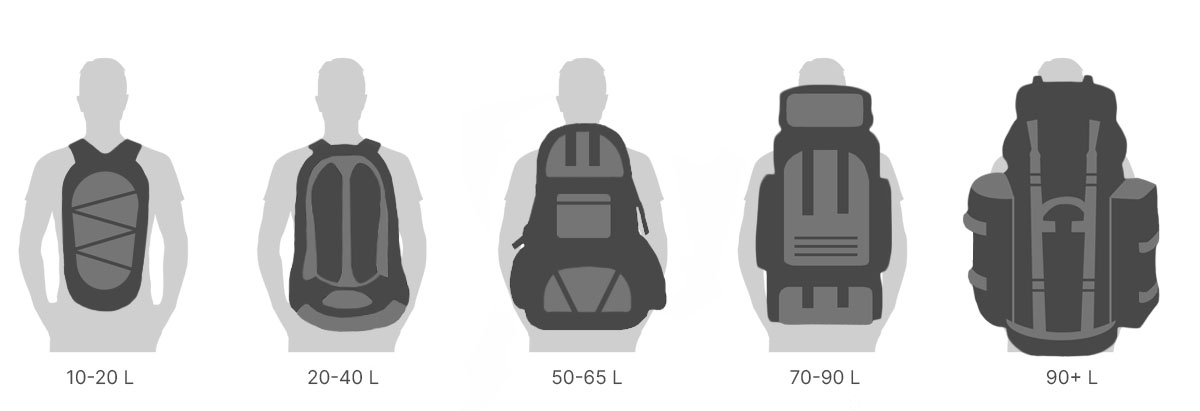
Backpacks come in many sizes, usually measured in liters. This number shows how much space is inside. Knowing the right size helps you pack smart and stay comfortable on the trail.
Short Day Hikes
For short day hikes, a small backpack works best. Backpacks from 10 to 20 liters hold water, snacks, and a few essentials. They are light and easy to carry. You do not need to pack heavy gear or extra clothes for these trips.
Weekend Trips
Weekend trips require bigger backpacks. Sizes between 30 and 50 liters fit clothes, food, and camping gear. You can pack a sleeping bag and a small tent. These backpacks balance space and weight for two or three days outdoors.
Extended Backpacking Adventures
Long trips need large backpacks. Backpacks over 50 liters carry all your supplies for many days. You can bring more food, clothes, and gear for weather changes. These packs are heavier but give enough room for everything you need.
Adjusting For Climate And Terrain
Choosing the right backpack size depends on the climate and terrain of your trip. Different weather and land types need different gear amounts. This affects how many liters your backpack should hold. Adjusting your pack size helps you stay comfortable and safe.
Consider how cold or hot the place will be. Think about whether you will hike in mountains or forests. Each condition changes what you carry and the space you need.
Cold Weather Considerations
Cold weather needs extra layers and warm gear. Bulky jackets, gloves, and hats take up space. You may need a bigger backpack to fit thick clothes and sleeping bags. Also, pack more food for energy. Cold air can make you hungry faster.
Hot Weather Packing
In hot weather, pack light and breathable clothes. You need less bulky clothing, so smaller bags work well. Carry enough water and sun protection. Water bottles or hydration reservoirs take space, so plan for about 2-4 liters of water capacity. Heat means you might carry less food but more water.
Mountain Vs Forest Terrain Needs
Mountain hiking needs sturdy boots and extra safety gear. Climbing tools or trekking poles might add bulk. You may need a larger pack for these items. Forest trails require lighter gear but include insect repellent and rain protection. Forests can be damp, so waterproof bags are useful. Terrain affects your gear size and how much room you need.
Credit: www.sportsmans.com
Personal Preferences And Packing Style
Choosing the right backpack size depends a lot on personal preferences and packing style. Everyone packs differently based on what they need and what feels comfortable. Some people carry only basics to keep their load light. Others prefer extra items for comfort or technology. Understanding your own style helps select the perfect backpack volume. This keeps your trip easy and enjoyable.
Minimalist Packing
Minimalists carry only essentials. They choose lightweight clothes and multipurpose gear. Their backpacks usually range from 30 to 40 liters. This size fits all basics without extra bulk. Minimalist packing saves energy and speeds up travel. It suits short trips or warm climates well.
Comfort And Convenience Items
Some prefer adding comfort items like pillows or extra clothes. These extras need more space. Backpacks between 40 and 50 liters work best here. This size offers room for snacks, first aid, and personal care items. Comfort brings ease but adds weight. Balance is key for a good journey.
Tech And Gadgets
Tech lovers carry cameras, laptops, and chargers. These items require special compartments and protection. Backpacks from 45 to 55 liters fit tech gear safely. Organizing gadgets keeps them easy to find. Tech adds weight but improves trip quality for many.
Popular Backpack Models By Capacity
Choosing the right backpack size is key for a good trip. Different trips need different backpack volumes. Small, medium, or large backpacks suit various needs. This section covers popular backpack models by capacity. Each size group has top picks that work well for many hikers.
Top Daypacks Under 30l
Daypacks under 30 liters fit light loads for short trips. They hold essentials like water, snacks, and a light jacket. Popular models include the Osprey Talon 22 and Deuter Speed Lite 20. These packs are lightweight and easy to carry all day. Perfect for one-day hikes or city tours.
Best Mid-size Backpacks 30-50l
Mid-size backpacks hold enough gear for overnight trips. They fit a sleeping bag, extra clothes, and food. The Gregory Paragon 48 and REI Co-op Flash 45 are top choices here. These packs balance space and weight well. Ideal for two or three-day adventures.
Large Backpacks Over 50l
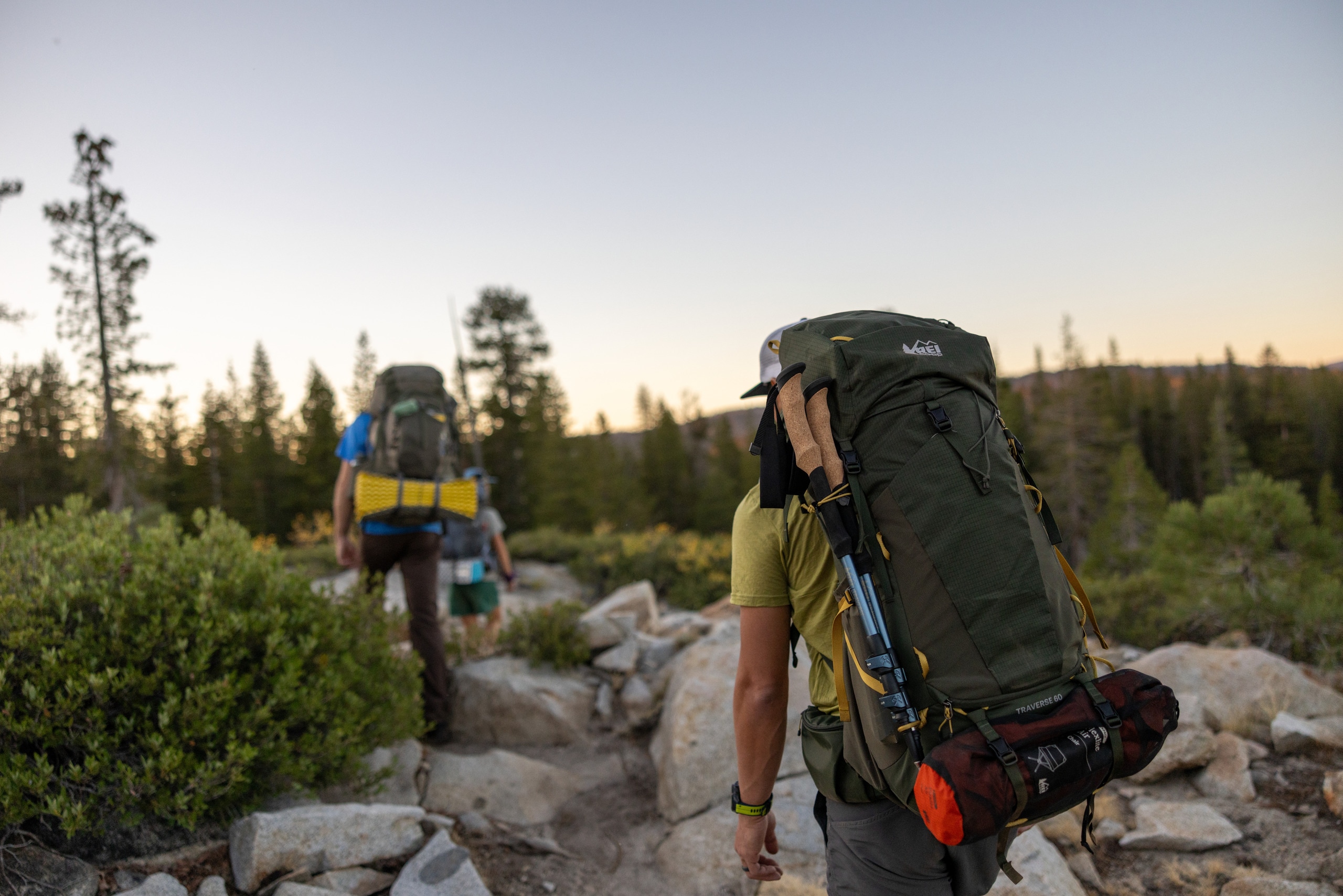
Large backpacks carry gear for long trips or group outings. They fit tents, cooking gear, and lots of supplies. Models like the Osprey Atmos AG 65 and Deuter Aircontact 65+10 stand out. These packs have strong support and many pockets. Great for extended trips or heavy loads.
Credit: www.rei.com
Frequently Asked Questions
How Many Liters Backpacking Backpacks Usually Hold?
Backpacking backpacks commonly range from 30 to 70 liters. Choose 30-40 liters for short trips and 50-70 liters for longer journeys. The size depends on your gear, trip duration, and personal packing habits.
What Backpack Size Is Best For Multi-day Trips?
For multi-day trips, a 50-70 liter backpack is ideal. It offers enough space for clothing, food, and camping gear. This size balances capacity with comfort, ensuring you carry essentials without excess bulk.
How To Choose The Right Liter Capacity Backpack?
Select backpack capacity based on trip length and gear needs. Short trips need 30-40 liters; longer trips require 50+ liters. Consider weight, volume, and comfort to match your travel style and packing requirements.
Does Backpack Liter Size Affect Hiking Comfort?
Yes, liter size impacts hiking comfort. A larger pack can carry more but may cause strain. A well-fitted, appropriately sized backpack reduces fatigue and improves mobility on trails.
Conclusion
Choosing the right backpack size helps you carry what you need. A 30 to 50-liter pack suits most trips. Think about your trip length and gear. Pack light to stay comfortable on trails. Too big a pack can slow you down.
Too small means leaving important items behind. Balance space with weight for the best experience. Remember, packing smart makes your adventure easier and fun.
