Planning to backpack long-distance across the United States alone? It’s an exciting challenge that can change the way you see the world—and yourself.
But it’s not just about packing a bag and hitting the road. You need the right tips to stay safe, comfortable, and energized throughout your trip. You’ll discover practical advice that makes your solo adventure smoother and more rewarding. Ready to learn how to prepare, what to expect, and how to enjoy every step of your journey?
Keep reading, because your unforgettable adventure starts here.
Choosing Your Route
Choosing the right route is key for a successful long-distance backpacking trip. Your route defines your adventure, challenges, and the views you will enjoy. Take time to pick a trail that fits your skill and interests. Think about distance, difficulty, and what you want to experience.
Plan your route carefully to stay safe and enjoy your journey. Research trails and learn about what each one offers. Consider your fitness level and the time you have for the trip. The right route makes your solo backpacking trip rewarding and fun.
Popular Long-distance Trails
The United States has many famous long trails. The Appalachian Trail runs through 14 states and offers rich forests and mountains. The Pacific Crest Trail covers deserts, forests, and high peaks from California to Washington. The Continental Divide Trail crosses the Rocky Mountains with rugged terrain. These trails are well-marked and popular among solo hikers. Choose a trail that matches your interests and stamina.
Terrain And Climate Considerations
Terrain affects how hard your hike will be. Rocky paths need good boots and careful steps. Flat trails can be easier but may feel longer. Climate changes with the seasons and locations. Some trails have hot summers and cold winters. Rain or snow can make the trail slippery. Check weather patterns and prepare for the conditions you will face.
Permits And Regulations
Many long trails require permits to control the number of hikers. Permits protect the environment and keep trails safe. Some areas have rules about camping and fires. Check the official websites for permit details and how to apply. Follow all regulations to avoid fines and keep nature safe for others. Planning permits early prevents last-minute problems.
Essential Gear
Backpacking long distance alone in the United States needs careful gear choices. The right gear keeps you safe, comfortable, and ready for challenges. Carrying too much slows you down. Too little means missing important supplies. Focus on essentials that fit your route and weather.
Backpack Selection
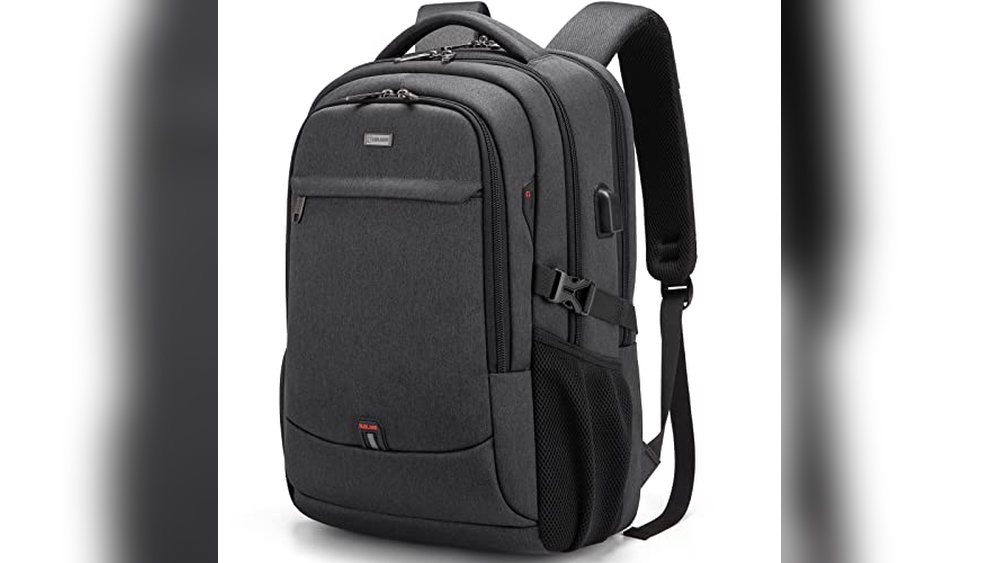
Choose a backpack that fits your body well. Look for one with good support and padding. A 50 to 65-liter pack works for most trips. It should have multiple compartments for easy access. Test the pack with weight before you buy. Adjust straps for comfort. A rain cover protects your gear from wet weather.
Clothing And Footwear
Pick lightweight and quick-dry clothes. Layering helps with changing weather. Carry a moisture-wicking base layer and a warm middle layer. A waterproof jacket is a must. Sturdy hiking boots protect your feet and ankles. Bring extra socks to avoid blisters. Avoid cotton; it stays wet and causes chafing.
Navigation Tools
Carry a detailed map of your route. A compass is a simple, reliable tool. Learn to use it well before your trip. A GPS device or smartphone with offline maps helps too. Always have backup batteries or power banks. Do not rely on one tool alone. Check your position regularly to stay on track.
Safety Equipment
Safety gear is vital for solo backpackers. Carry a first aid kit with bandages, antiseptics, and pain relievers. A whistle signals for help if needed. A headlamp with extra batteries lights your way at night. Bring a multi-tool for small repairs. Pack a fire starter kit to stay warm. Let someone know your plan and expected return.
Planning Your Itinerary
Planning your itinerary is a key step before starting a long-distance backpacking trip alone in the United States. A good plan helps you stay safe and enjoy the journey. It guides your daily progress, food supply, and rest. Without a clear plan, you may face challenges that slow you down or cause problems.
Focus on setting realistic goals and knowing where to get supplies. Also, plan days to rest and recover. These steps keep your energy high and your mind sharp. A well-thought-out itinerary makes the adventure smoother and more fun.
Daily Distance Goals
Set a daily distance that matches your fitness and experience. Start with shorter distances, then increase as you get stronger. Walking 10 to 15 miles a day is a common target. Listen to your body to avoid injury. Keep your pace steady and consistent. Too much distance too soon can cause pain or exhaustion.
Resupply Points
Find towns or stores along your route to buy food and gear. Mark these resupply points on your map or GPS. Plan your food and water needs to match these stops. Carry only what you need between resupply points. This keeps your backpack light and your walk easier. Knowing where to resupply reduces stress and surprises.
Rest Days
Include rest days in your schedule to heal and relax. Rest days help your muscles recover and prevent burnout. Use these days to explore local areas or connect with other hikers. Avoid pushing yourself every day; rest is part of progress. Plan rest days every week or two, depending on your pace. They make your long journey more enjoyable and safe.
Food And Water Strategies
Food and water are the most important parts of any long-distance backpacking trip. Carrying the right food and finding safe water keeps you strong and healthy. Planning meals and water stops carefully helps you avoid problems on the trail.
Packing Lightweight Meals
Choose meals that weigh little but give good energy. Freeze-dried foods, nuts, and energy bars work well. Avoid heavy cans or fresh food that spoils fast. Carry spices or small packets of sauce to add flavor. Plan meals that need little cooking or just hot water.
Finding Water Sources
Water is everywhere on many trails, but not always safe. Streams, rivers, and lakes are common sources. Check maps or apps for water points before you go. Collect water early in the day to avoid bugs and warmth. Always carry enough water between stops to stay hydrated.
Purification Methods
Always purify water before drinking. Boiling is the safest, but takes time and fuel. Water filters remove bacteria and protozoa quickly. Chemical tablets or drops kill germs but might change taste. Carry more than one method for backup. Clean water prevents sickness and keeps you moving.
Safety Tips
Backpacking alone across the United States is exciting but needs careful safety planning. Staying safe helps you enjoy your adventure fully. Know the risks and prepare well. This section covers key safety tips for solo long-distance backpacking.
Wildlife Encounters
Animals can surprise you on trails. Keep a safe distance from wildlife. Do not feed or approach animals. Store food in bear-proof containers or hang it high. Make noise while hiking to avoid startling animals. Carry bear spray in areas known for bears. Learn how to use it before your trip.
Weather Hazards
Weather changes fast in the wilderness. Check forecasts before and during your hike. Pack waterproof gear and warm clothes. Avoid hiking during storms or extreme heat. Find shelter quickly if weather turns bad. Know signs of hypothermia and heatstroke. Carry a reliable map and compass.
Solo Hiking Precautions
Hiking alone needs extra caution. Tell someone your route and check-in times. Carry a fully charged phone and portable charger. Use a GPS device or app to track your location. Avoid risky shortcuts or unknown paths. Trust your instincts and turn back if needed. Always carry a first aid kit for emergencies.
Physical And Mental Preparation
Backpacking alone across the United States is a big challenge. It needs both strong body and clear mind. Physical and mental preparation helps you face the long journey. This preparation keeps you safe and confident on the road. It also makes the trip more enjoyable and less stressful.
Training Exercises
Start with walking every day. Gradually increase your distance and speed. Add hiking with a backpack to build strength. Include leg exercises like squats and lunges. Core exercises help keep your balance. Stretch daily to avoid injuries and soreness. Practice carrying your loaded backpack to get used to the weight.
Mental Resilience Techniques
Set small goals for each day. This helps keep your mind focused and strong. Use deep breathing to calm nerves. Practice mindfulness to stay present and aware. Visualize success to boost confidence. Accept that tough moments will come. Remind yourself why you started the journey.
Dealing With Loneliness
Plan regular check-ins with friends or family. Carry a journal to write your thoughts and feelings. Use music or podcasts to feel connected. Meet other travelers on the trail for company. Enjoy nature’s beauty to lift your spirit. Remember, solitude can bring peace and self-discovery.
Emergency Situations
Traveling alone on a long-distance backpacking trip across the United States means facing many challenges. Some challenges can be serious emergencies. Preparing for these situations keeps you safe. Knowing what to do can save your life.
First Aid Basics
Carry a small first aid kit with essential supplies. Include bandages, antiseptic wipes, pain relievers, and tweezers. Learn how to treat cuts, burns, and insect bites. Know how to handle sprains and fractures. Practice simple first aid skills before your trip. Quick care can prevent infections and reduce pain.
Communication Devices
Bring reliable devices to call for help. A fully charged cell phone works in many areas. A portable power bank keeps it charged. In remote places, a satellite phone or personal locator beacon helps. These devices send your location to rescuers. Test them before leaving home. Always have a backup way to communicate.
Evacuation Plans
Plan how to leave dangerous areas fast. Know the nearest towns or ranger stations. Study maps for easy exit routes. Tell someone your route and check-in times. Practice what to do if you get lost. Carry extra food and water for emergencies. Being ready helps you stay calm and safe.
Leave No Trace Ethics
Backpacking alone across the United States offers freedom and adventure. Protecting nature during your journey is vital. Leave No Trace Ethics guide travelers to care for the environment. Following these principles keeps trails beautiful for everyone.
Minimizing Environmental Impact
Stay on marked trails to avoid damaging plants. Avoid stepping on fragile ground. Carry out all trash, even food scraps. Use reusable containers to reduce waste. Camp at least 200 feet away from water sources. Use a small stove instead of open fires.
Respecting Wildlife
Observe animals from a distance without disturbing them. Never feed wild animals; it changes their behavior. Store food securely to prevent attracting animals. Keep noise low to avoid scaring wildlife. Remember, you are a visitor in their home.
Trail Etiquette
Yield the trail to hikers going uphill. Step aside to let faster hikers pass. Keep voices quiet to preserve nature’s calm. Avoid blocking the path with gear or packs. Respect other hikers’ space and privacy. Follow signs and rules posted along the trail.
Frequently Asked Questions
What Essential Gear Should I Pack For Solo Backpacking?
Pack lightweight, durable gear including a tent, sleeping bag, and first-aid kit. Carry versatile clothing, a reliable map, and enough food and water. Prioritize comfort and safety to handle different weather conditions and terrain.
How Do I Plan A Safe Route Across The United States?
Research trails, national parks, and safe camping spots. Use GPS and offline maps for navigation. Inform someone about your itinerary. Avoid risky areas and check weather forecasts regularly to stay safe.
What Are Key Safety Tips For Solo Long-distance Backpacking?
Stay aware of your surroundings and avoid isolated areas. Carry a whistle and pepper spray for emergencies. Keep your phone charged and maintain communication with friends or family frequently.
How Can I Manage Food And Water On A Long Trip?
Carry lightweight, high-energy foods like nuts and dried fruits. Refill water at safe sources and use purification tablets. Plan meals to balance nutrition and weight for endurance.
Conclusion
Backpacking alone across the United States is a big adventure. Planning well keeps you safe and happy on the road. Take time to learn about each place you visit. Carry only what you really need. Trust your instincts and stay alert.
Meeting new people can make your trip special. Enjoy every moment, even the tough ones. This journey will teach you a lot about yourself. Keep an open heart and a curious mind. Your solo trip will be an experience you never forget.