Thinking about backpacking but worried about the cost of gear? You’re not alone.
Knowing how much to spend on backpacking gear can be confusing and overwhelming. You want reliable equipment without breaking the bank, right? This guide will help you figure out exactly how much you need for your backpacking essentials. By the end, you’ll feel confident about your budget and ready to gear up for your next adventure.
Keep reading—you’ll discover smart tips to get the best value for your money.
Essential Backpacking Gear
Essential backpacking gear keeps you safe and comfortable outdoors. Choosing the right gear saves space and weight. It also protects you from weather and rough terrain. Budgeting for these items is important for every trip. Here is a breakdown of the must-have gear and their costs.
Backpacks And Packsizes
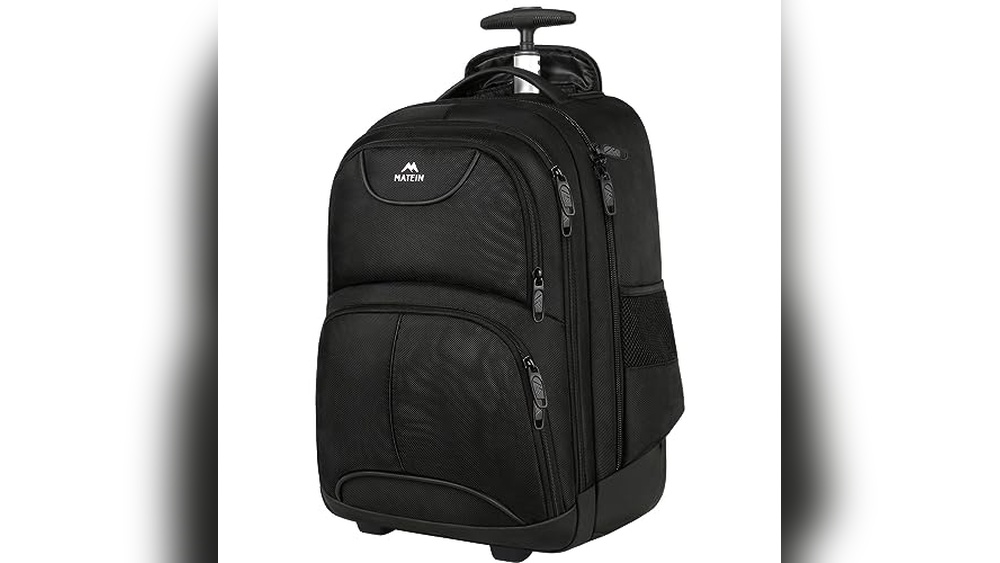
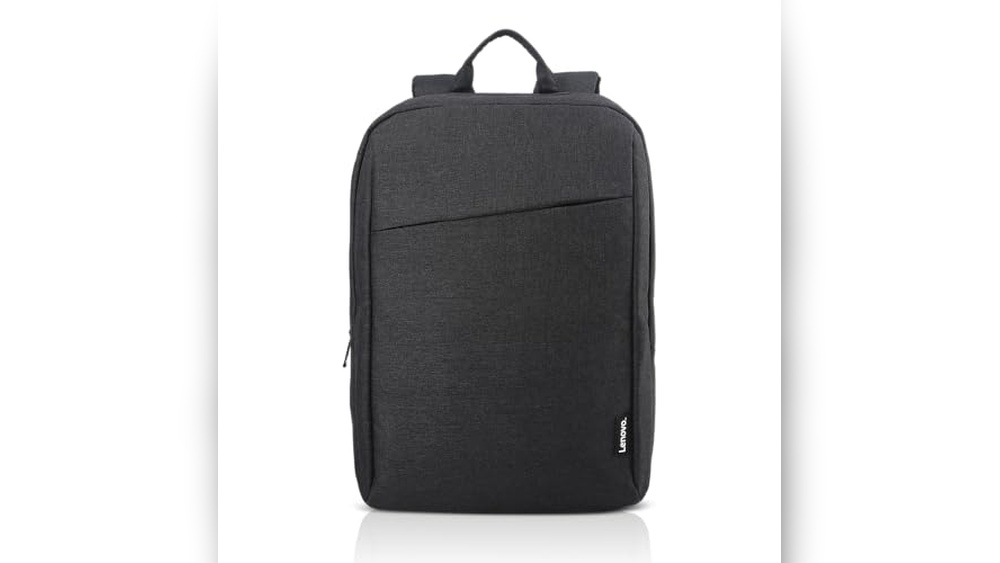
Backpacks carry all your gear. Sizes range from 40 to 70 liters. Smaller packs suit short trips. Larger packs work for longer adventures. Expect to spend $100 to $300 on a good backpack. Look for padded straps and ventilation. A proper fit reduces back pain. Durable materials last through tough trails.
Sleeping Bags And Pads
Sleeping bags keep you warm at night. Temperature ratings show how cold they protect against. Down bags are light but cost more. Synthetic bags stay warm even when wet. Prices vary from $50 to $250. Sleeping pads add comfort and insulation from the ground. Foam pads are cheap and tough. Inflatable pads weigh less but need care.
Tents And Shelters
Tents shield you from rain, wind, and insects. One-person tents weigh less and cost around $100. Larger tents offer more space but add weight. Look for waterproof fabrics and sturdy poles. Tarps and hammocks are lighter shelter options. Tarps cost about $30 to $100. Hammocks need extra gear like straps and rain flies.
Clothing Costs
Backpacking clothing costs can vary a lot. Good clothes protect you from weather and keep you comfortable. Choosing the right pieces means spending smart. Budgeting for clothing depends on quality and type.
Layering Systems
Layering is key for changing weather. Base layers wick sweat and keep skin dry. Mid layers add warmth, like fleece or wool. Outer layers block wind and rain. Expect to spend between $100 and $250 on layers. Investing in good layers pays off on the trail.
Footwear Choices
Shoes are critical for long hikes. Hiking boots cost around $80 to $200. Trail runners are lighter and cheaper, about $60 to $150. Choose shoes that fit well and last long. Socks matter too; quality hiking socks cost $10 to $20 per pair. Proper footwear prevents blisters and injuries.
Accessories And Extras
Small items add comfort and safety. Hats, gloves, and buff cost $10 to $40 each. Rain gear like ponchos or shells range from $30 to $100. Don’t forget sunglasses and gaiters. These extras might seem small but help a lot outdoors.
Cooking Gear Expenses
Cooking gear is a key part of backpacking gear expenses. It lets you prepare meals and boil water safely outdoors. Choosing the right cooking gear balances cost, weight, and usefulness. Budgeting well helps avoid overspending on heavy or unnecessary items. This section breaks down main cooking gear costs to expect.
Stoves And Fuel
Backpacking stoves vary in price from $20 to over $150. Simple canister stoves cost less and are easy to use. Liquid fuel stoves work well in cold weather but need more care. Fuel costs depend on stove type and trip length. Canister fuel usually costs around $5 to $10 per can. Carrying extra fuel adds to total expenses but ensures safety.
Cookware Sets
Cookware sets include pots, pans, and sometimes utensils. Prices range from $15 for basic sets to $100 for lightweight titanium kits. Aluminum sets cost less but weigh more. Titanium sets are light but expensive. Consider size and weight to match your cooking needs. Investing in durable cookware saves money over time.
Food Storage Solutions
Food storage keeps food safe and fresh while hiking. Options include dry bags, containers, and bear canisters. Dry bags and containers cost $10 to $30. Bear canisters are heavier and cost $60 to $120. They protect food from animals in certain areas. Choose storage based on trip location and duration.
Navigation And Safety
Navigation and safety gear are crucial for every backpacking trip. They help you find your way and stay protected. Good equipment can save time and prevent accidents.
Investing in reliable tools boosts your confidence on the trail. Prepare well to enjoy your adventure without worries.
Gps Devices And Maps
GPS devices show your exact location. They work even in remote areas. A handheld GPS costs around $100 to $300.
Paper maps are cheaper and do not need batteries. They cost about $10 to $20 each. Carry both for safety.
First Aid Kits
First aid kits treat minor injuries quickly. A basic kit costs $15 to $40. It should include bandages, antiseptic, and pain relief.
Customize your kit for the trip length and group size. Small kits are light and easy to carry.
Lighting And Communication
Headlamps or flashlights cost between $15 and $50. Choose models with bright LEDs and long battery life.
Communication tools like whistles and two-way radios improve safety. Radios cost $30 to $100. Whistles are very cheap but effective.
These tools help you stay visible and call for help if needed.
Budgeting Tips
Budgeting for backpacking gear helps you save money and avoid overspending. Planning your purchases carefully lets you get quality items without breaking the bank. Small savings add up and make a big difference.
Buying New Vs Used
New gear offers the latest features and full warranty. It costs more but lasts longer with proper care. Used gear is cheaper and often still works well. Check condition carefully before buying used items. Prioritize safety and durability when choosing used gear.
Seasonal Sales And Discounts
Seasonal sales offer great chances to save on gear. Look for discounts during holidays or end-of-season clearances. Sign up for newsletters to get alerts on deals. Buying off-season gear can reduce costs significantly.
Prioritizing Gear Purchases
Start with essential gear like a backpack, tent, and sleeping bag. Buy less important items later as budget allows. Focus on quality for items that affect your safety and comfort. Avoid buying everything at once to spread out expenses.
Gear Maintenance Costs
Backpacking gear costs do not end at buying equipment. Maintaining your gear is key to keeping it safe and working well. Gear maintenance costs include repair kits, cleaning supplies, and proper storage. These expenses help extend the life of your equipment and save money over time.
Repair Kits
Repair kits fix small damages on the trail or at home. They include patches, glue, needles, and thread. Kits for tents, sleeping bags, and backpacks cost between $10 and $30. Carrying a basic kit prevents bigger problems and more costly repairs later.
Cleaning Supplies
Cleaning gear removes dirt, sweat, and grime that wear out materials. Use gentle soaps, brushes, and microfiber cloths. Specialized cleaners for down jackets or waterproof gear range from $8 to $20. Regular cleaning keeps gear fresh and working well.
Storage And Care
Proper storage avoids damage from moisture, mold, and pests. Use breathable bags or containers and keep gear dry. Costs for storage solutions vary from $15 to $50. Caring for gear between trips saves money and effort in the long run.
Estimated Total Costs
Estimating the total cost of backpacking gear helps plan your budget well. Gear prices vary widely depending on quality and brand. Knowing the cost ranges makes shopping easier and more efficient. Let’s explore three common pricing levels for backpacking setups.
Budget-friendly Setups
Budget-friendly gear suits beginners and occasional hikers. You can find decent backpacks, tents, and sleeping bags under $300. These items might be heavier and less durable. Still, they work well for short trips and light use. Saving money here means sacrificing some comfort and features.
Mid-range Options
Mid-range gear balances price and quality. Expect to spend between $500 and $800 for a full setup. Gear in this range is lighter, more durable, and offers better comfort. Brands often include useful features like water resistance and ergonomic designs. This choice fits regular hikers wanting reliable equipment.
Premium Gear Investments
Premium gear costs $1,000 or more for complete setups. This gear uses advanced materials for light weight and high durability. It often includes innovations that improve safety and comfort. Premium items last longer and perform better in tough conditions. Ideal for serious backpackers and long trips.
Frequently Asked Questions
How Much Does Basic Backpacking Gear Cost?
Basic backpacking gear typically costs between $300 and $700. This includes a tent, sleeping bag, backpack, and cookware. Prices vary by brand and quality. Budget options are available, but investing in durable gear ensures safety and comfort on your trips.
What Is The Average Price For A Quality Backpack?
A quality backpack usually costs between $100 and $300. Factors affecting price include size, material, and brand reputation. Investing in a well-fitted backpack improves comfort and load management during your trek.
How Much Should I Budget For Backpacking Sleeping Bags?
Sleeping bags range from $50 to $300 depending on temperature rating and insulation type. Synthetic bags are cheaper but heavier. Down bags cost more but offer better warmth-to-weight ratio. Choose based on climate and budget.
Are Lightweight Backpacking Tents More Expensive?
Yes, lightweight backpacking tents generally cost $150 to $400. They use advanced materials to reduce weight while maintaining durability. Investing in a lightweight tent enhances mobility and comfort on long hikes.
Conclusion
Backpacking gear costs can vary a lot. Quality matters more than price alone. Buying smart saves money and stress. Focus on essentials first, then extras. Renting gear can be a good option too. Always check reviews before you buy anything.
Planning your budget helps avoid surprises later. Enjoy your trip with the right gear. Ready to explore the outdoors with confidence?