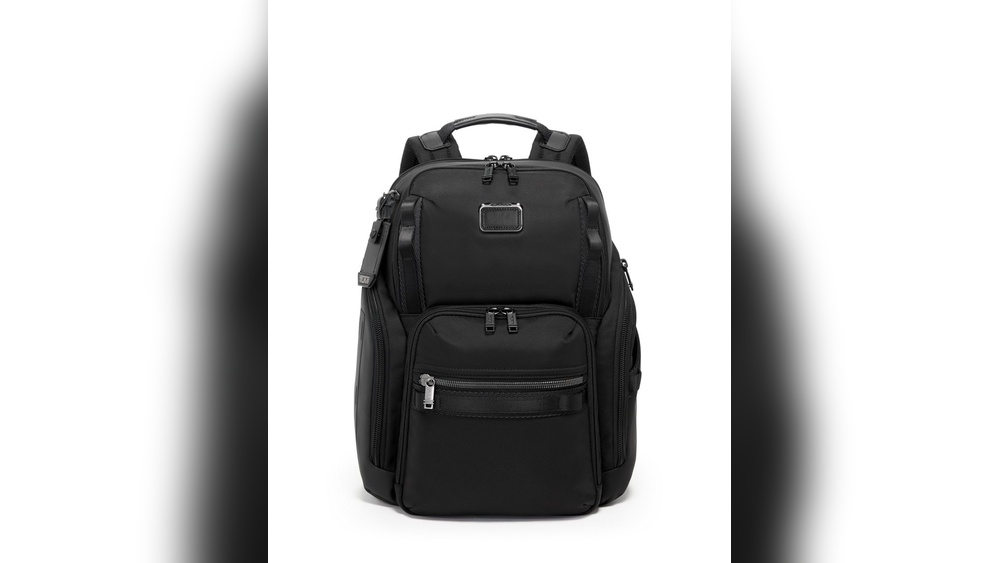
Have you ever stopped to think about how backpacks became a part of your daily life? From carrying school books to hiking gear, backpacks are more than just bags—they’re tools that have evolved alongside humans for thousands of years.
Understanding how humans have used backpacks throughout history can change the way you see this simple item you probably use every day. Keep reading to discover surprising stories and clever designs that shaped backpacks into the essential gear you rely on now.
Early Backpack Uses
Backpacks have helped humans carry things for thousands of years. They made life easier by freeing hands and balancing weight. Early backpacks were simple but very useful. People needed ways to move food, tools, and other items safely.
These early carrying methods show how humans adapted to their needs. They invented different ways to carry loads based on the materials around them. Over time, backpacks evolved from basic to more complex forms.
Prehistoric Carrying Methods
Prehistoric people used natural materials like animal skins and plant fibers. They made slings and simple bags to carry small loads. Sometimes, they tied items to their backs with vines or strips of leather.
These early carriers helped hunters and gatherers move food and tools over long distances. The designs were basic but effective for survival. Carrying things on the back left hands free for other tasks.
Backpacks In Ancient Civilizations
Ancient Egyptians, Greeks, and Romans created early versions of backpacks. They used leather and cloth to make bags with shoulder straps. Soldiers and travelers used these to carry supplies and weapons.
Backpacks helped workers carry heavy loads on construction sites and farms. The designs grew stronger and more comfortable. Some even added wooden frames to support heavier items.
Backpacks In Exploration
Backpacks have played a key role in human exploration. They helped travelers carry their supplies safely. From early adventurers to great explorers, backpacks made journeys easier. These bags held food, tools, and other essentials. Exploring unknown lands required reliable gear. Backpacks met this need with practical designs.
Medieval Travel Gear
In medieval times, travelers needed strong bags. Backpacks were made from leather or heavy cloth. They held food, water, and small weapons. Travelers used backpacks for long trips across rough terrain. These bags were simple but tough. They helped people carry their belongings by foot or horse. Backpacks were essential for merchants and pilgrims.
Backpacks On Expeditions
Explorers in the 18th and 19th centuries used backpacks often. These bags carried maps, compasses, and survival tools. Backpacks allowed explorers to move freely and stay prepared. They were lighter than chests or boxes. Explorers traveled through forests, mountains, and deserts. Backpacks kept supplies close and hands free. This helped them face the challenges of unknown places.
Military Backpack Evolution
The evolution of military backpacks shows how soldiers adapted to changing needs and technology. Backpacks have always helped carry gear, food, and weapons. Over time, designs improved to support soldiers better in tough conditions.
From simple bags to high-tech packs, military backpacks have a rich history. Each era brought new ideas for comfort, durability, and functionality. Let’s explore how backpacks evolved in the military.
Medieval Soldier Packs
Medieval soldiers used basic packs made from leather or cloth. These packs held small tools, food, and personal items. They were often heavy and not very comfortable. Soldiers carried their gear on their backs or attached to belts.
These early packs were simple and rugged. They had no special compartments or padding. Soldiers needed strong packs that could handle rough travel and weather. The focus was on durability rather than comfort.
Modern Tactical Designs
Modern military backpacks use strong, lightweight materials like nylon. They have many compartments for organized storage. Soldiers can carry water, ammunition, and medical supplies easily.
Designs include padded straps and back panels for comfort. Some packs have modular systems to attach extra gear. They are built to resist water and wear in harsh environments.
Technology in fabrics and zippers has improved the packs’ performance. Modern backpacks help soldiers move faster and carry more gear safely.
Backpacks In Daily Life
Backpacks play an important role in everyday life. People use them to carry many items easily. They help keep hands free and balance weight on the back. This makes moving around comfortable and practical.
Backpacks come in many shapes and sizes. Each one fits a different need. From carrying books to hiking gear, backpacks make daily tasks simpler. Their design has evolved to suit modern lifestyles.
School And Work Bags
Students rely on backpacks to carry books and supplies. They keep notebooks, lunch, and gadgets all in one place. This helps students stay organized and ready for class.
Workers use backpacks to transport laptops and documents. Many bags have special compartments to protect electronics. This makes traveling between home and office easier and safer.
Recreational Use
Backpacks are great for outdoor fun. Hikers pack food, water, and first aid kits inside. Campers carry tents and clothes in durable backpacks designed for rough use.
Sports fans use backpacks to carry gear and drinks. They offer hands-free convenience during activities. This allows people to focus on enjoyment and adventure.
Materials And Technology
Backpacks have changed a lot through history. Their materials and technology show how humans adapted to needs. Early backpacks used what nature gave. Later, new fabrics and smart designs made them better. These changes helped people carry loads easier and safer.
Traditional Materials
At first, backpacks were made from simple materials. Animal skins and woven plants were common choices. These materials were strong and easy to find. People used leather because it could hold weight and last long. Sometimes cloth made from cotton or wool was used. Straps came from twisted vines or strips of leather. These natural materials shaped early backpack use.
Innovations In Fabric And Design
New fabrics changed backpacks a lot. Nylon and polyester came in the 20th century. They are light, strong, and water-resistant. These materials keep backpacks dry and clean. Designs also got smarter. Padded straps protect shoulders. Multiple pockets help organize items. Some backpacks have frames to carry heavy loads. Technology made backpacks more useful for hiking, school, and work.
Cultural Significance
Backpacks are more than just bags for carrying items. They hold deep cultural meaning across the world. Different cultures see backpacks as symbols of identity, tradition, and lifestyle. These meanings show how backpacks have been part of human life beyond practical use.
Symbolism In Different Cultures
In many cultures, backpacks represent journey and adventure. For example, Native American tribes use woven backpacks in ceremonies. These packs often carry symbols of nature and spirit. In Japan, the randoseru backpack symbolizes childhood and education. Children wear them proudly as they start school. In some African communities, backpacks show craftsmanship and status. Handmade backpacks tell stories about the maker’s tribe and skills.
Backpacks can also represent survival and resilience. Mountain tribes use sturdy backpacks to carry food and tools. These packs show the strength and endurance of their people. In urban cultures, backpacks symbolize freedom and youth. They represent the ability to move and explore city life.
Backpacks In Art And Media
Artists use backpacks to tell stories about life and culture. Paintings and sculptures often show backpacks as part of daily life. Movies and TV shows use backpacks to highlight characters’ journeys. A backpack can show a character’s personality or background. In cartoons, backpacks sometimes come alive as friends or helpers. This adds a magical or adventurous touch.
Photographers capture backpacks in travel and street photography. These images show backpacks as tools for exploration. Music videos often include backpacks to show freedom and youth culture. Backpacks in media help people connect with ideas of travel and growth.
Future Trends
The future of backpacks looks exciting and full of new ideas. People want bags that do more than just carry things. They want backpacks that are smart and kind to the planet. These trends show how backpacks will change and help us in daily life.
Smart Backpacks
Smart backpacks have built-in technology. They can charge phones and connect to devices. Some have GPS trackers to prevent loss. Others include lights for safety at night. These backpacks make life easier and safer.
They often have sensors to check weight and comfort. Some models even alert users when they carry too much. Smart backpacks blend technology with everyday needs.
Sustainable Designs
More backpacks use recycled and eco-friendly materials. Brands focus on reducing waste and pollution. These bags last longer and break down better in nature.
Some backpacks use organic fabrics or recycled plastics. This helps reduce the impact on the environment. Sustainable designs show care for the planet and future generations.
Frequently Asked Questions
How Did Ancient Humans Carry Belongings?
Ancient humans used simple backpacks made from animal skins and plant fibers. These early packs helped transport tools and food efficiently.
When Did Backpacks Become Popular For Travelers?
Backpacks gained popularity during exploration eras. Travelers used them to carry essentials on long journeys and adventures.
How Have Military Backpacks Evolved Historically?
Military backpacks evolved from basic sacks to advanced gear with multiple compartments. They improved soldier mobility and storage.
What Role Did Backpacks Play In Education History?
Backpacks became essential for students in the 20th century. They helped carry books and supplies to and from school.
Conclusion
Backpacks have served many roles across human history. People used them to carry tools, food, and important items. Soldiers, travelers, and students all depended on backpacks. Designs changed with needs, from simple sacks to sturdy bags. Today, backpacks remain vital for daily life and adventure.
They show how humans adapt and create useful gear. This small item tells a big story about human life. Backpacks connect the past with the present in a simple way.