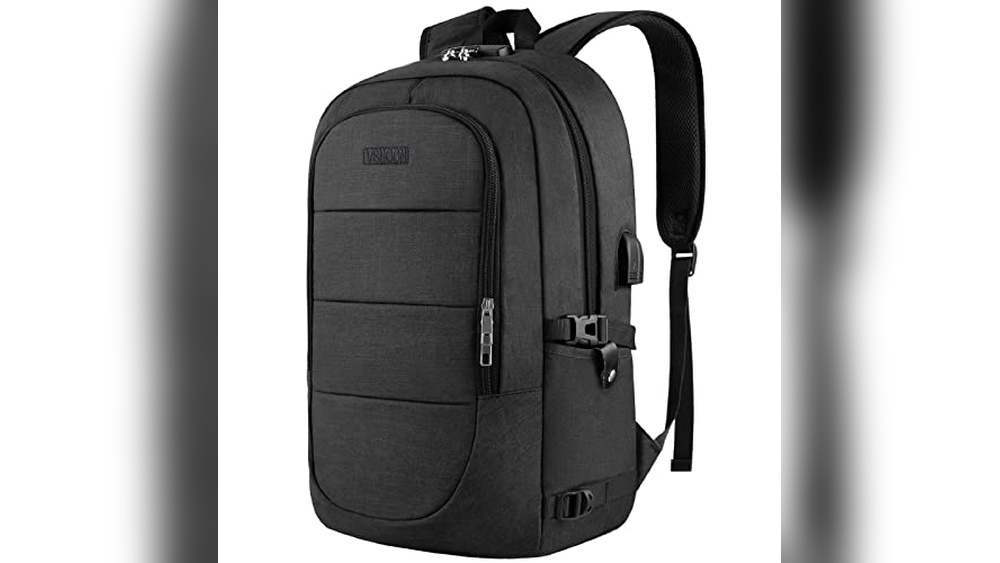
Choosing the right school backpack can feel overwhelming. You want something that fits all your books, supplies, and maybe even a lunchbox—but how much space do you really need?
Too small, and you’ll be cramming everything in, making it hard to find what you need. Too big, and you might end up carrying unnecessary weight. You’ll discover exactly how to measure the space you need in a school backpack.
By the end, you’ll know how to pick the perfect size that keeps your belongings organized and your shoulders comfortable. Keep reading to find out what works best for you!
Backpack Size Basics
Choosing the right backpack size matters. A backpack too big or small can cause discomfort. It also affects how much you can carry. Understanding backpack size basics helps pick the best one.
Common Backpack Dimensions
Most school backpacks measure between 16 to 20 inches in height. Width ranges from 12 to 15 inches. Depth usually falls between 6 to 9 inches. These sizes suit most school supplies and books.
Smaller backpacks fit younger students or light loads. Larger backpacks work for older students with more items. Knowing these dimensions guides your choice.
Volume Vs. Dimensions
Volume shows the backpack’s total space inside. It is usually measured in liters. Dimensions show the backpack’s length, width, and depth in inches or centimeters.
Volume tells how much you can fit inside. Dimensions help understand the backpack’s shape and size. Both are important for selecting the right backpack.
Measuring Backpack Capacity
Check the label for volume or size details. Use a tape measure to find height, width, and depth. Multiply these numbers for rough volume in cubic inches.
Divide cubic inches by 61 to convert to liters. This helps compare backpacks easily. Knowing capacity helps avoid buying backpacks too small or large.
Daily School Essentials
Daily school essentials fit inside every student’s backpack. These items help students stay organized and ready for class. The space needed depends on what students carry every day. Understanding these essentials helps pick the right backpack size.
Books And Notebooks
Books and notebooks take most space in a backpack. Students often carry several subjects’ books. Notebooks for taking notes add extra bulk. Choose a backpack that holds large textbooks and thick notebooks comfortably.
Stationery And Supplies
Stationery like pens, pencils, and erasers fit in small pouches. Some students carry rulers, calculators, or art supplies. These items need separate compartments to stay organized. A backpack with pockets helps keep these supplies tidy and easy to find.
Lunch And Water Bottles
Lunch boxes and water bottles add extra weight and size. Some lunch boxes are bulky and need a flat space. Water bottles fit in side pockets for easy access. A backpack with insulated compartments keeps food fresh and drinks cool.
Electronic Devices
Many students carry tablets or small laptops now. These devices need padded compartments for protection. Chargers and headphones also take some space. A backpack with a special laptop sleeve helps keep devices safe and organized.
Grade-level Backpack Needs
Backpack size needs change as children grow and their school work increases. Each grade level has unique requirements for carrying books, supplies, and personal items. Choosing the right backpack size helps kids stay organized and comfortable all day.
Small backpacks work well for younger kids. Older students need larger bags with more compartments. Understanding these differences makes buying the right backpack easier and smarter.
Elementary School Requirements
Elementary students carry fewer books and supplies. A small backpack with 10 to 15 liters of space usually fits their needs. It holds a lunchbox, a few notebooks, and a pencil case. Lightweight and simple designs help young children carry their bags easily.
Middle School Essentials
Middle schoolers need more space for binders and textbooks. Backpacks with 15 to 25 liters are best. Multiple compartments help organize school materials and a water bottle. Comfort features like padded straps become important to reduce strain on growing backs.
High School Load
High school students carry many books and sometimes a laptop. Backpacks with 25 to 35 liters provide enough room. Extra pockets help separate electronics, school supplies, and personal items. Durable materials and good support keep bags comfortable during long school days.
Specialized Backpack Features
Specialized backpack features make a big difference in daily school use. They help keep things safe, organized, and comfortable. Choosing a backpack with the right features saves time and stress. It also protects valuable items like laptops and books.
Laptop Compartments
Laptop compartments keep devices safe from bumps and scratches. These pockets often have padding for extra protection. They prevent laptops from moving around inside the bag. This feature is important for students carrying electronics regularly.
Organizational Pockets
Organizational pockets help separate school supplies. Small pockets hold pens, calculators, and chargers neatly. Larger sections fit notebooks and folders without crumpling. These pockets make it easy to find items quickly. They reduce clutter and save space inside the bag.
Ergonomic Design
Ergonomic design supports the back and shoulders. Padded straps reduce pressure and improve comfort. Back panels often have airflow to prevent sweating. This design helps carry heavy loads safely. It reduces the risk of pain or injury during school days.
Adjusting Backpack Space
Adjusting backpack space helps keep school bags organized and light. It makes carrying books and supplies easier. Changing space to fit daily needs saves time and stress. Smart packing keeps the backpack comfortable and tidy.
Using Packing Cubes And Organizers
Packing cubes divide the backpack into small sections. They keep items like pencils, notebooks, and snacks separate. Organizers stop things from moving around inside. They help find items quickly without unpacking everything. Using these tools keeps the backpack neat and easy to handle.
Seasonal Items And Extras
Seasonal items like jackets or hats take extra space. Store these in a separate pouch inside the backpack. Remove them when not needed to free space. Extras like sports gear or art supplies should have their own small bags. This method keeps the main backpack space for daily essentials only.
Reducing Backpack Weight
Heavy backpacks cause back pain and fatigue. Carry only what is needed for the day. Switch heavy textbooks for digital versions when possible. Use lightweight folders and notebooks to cut down weight. Regularly clean out old papers and unused items. A lighter backpack is easier and safer to carry.
Choosing The Right Backpack
Choosing the right backpack is important for school comfort and organization. A good backpack fits the body and holds all needed items. It protects books and gadgets and lasts throughout the school year. Picking the right size, material, and style helps students carry their things easily.
Matching Size To Body Type
Select a backpack that fits the student’s height and body shape. A backpack too big can strain the back and shoulders. Too small means less space for books and supplies. Choose a bag that sits comfortably on the back and does not hang below the waist. Adjustable straps help customize the fit for each student.
Considering Durability And Material
Strong material makes the backpack last longer. Look for thick fabric like nylon or polyester. These materials resist tears and water. Reinforced seams add extra strength. Padded straps and back panels improve comfort and reduce pressure. Durable zippers keep belongings secure and easy to access.
Budget And Style Options
Backpacks come in many prices and designs. Set a budget before shopping. Simple designs often cost less but still work well. Color and pattern choices let students show their personality. Pick a style that suits the student’s taste and fits school rules. Affordable backpacks can be both good quality and stylish.
Frequently Asked Questions
How Much Space Is Ideal For A School Backpack?
An ideal school backpack should have 20 to 30 liters of capacity. This size fits books, notebooks, lunch, and small electronics comfortably. It balances enough room without being bulky or heavy for daily use.
What Size Backpack Suits Elementary School Kids?
For elementary students, a 15 to 20-liter backpack is perfect. It fits their smaller textbooks and supplies without overwhelming their smaller frames. This size ensures comfort and ease of carrying.
How To Choose Backpack Size For High School Students?
High school backpacks should range from 25 to 35 liters. Teens carry more books, laptops, and sports gear. This capacity supports their daily academic and extracurricular needs efficiently.
Does Backpack Space Affect Student Comfort?
Yes, backpack space directly impacts comfort. Overfilled bags cause strain, while too-small bags lead to multiple trips. Choosing the right size helps maintain good posture and reduces back pain.
Conclusion
Choosing the right backpack size makes school days easier. A backpack that fits your books and supplies helps you stay organized. Carrying too much can hurt your back and slow you down. Think about the number of books and items you carry daily.
A backpack with enough space keeps everything neat and easy to find. Remember, comfort and practicality matter most. Find a backpack that fits your needs and feels good to carry. This small step helps you enjoy school and stay ready for every class.