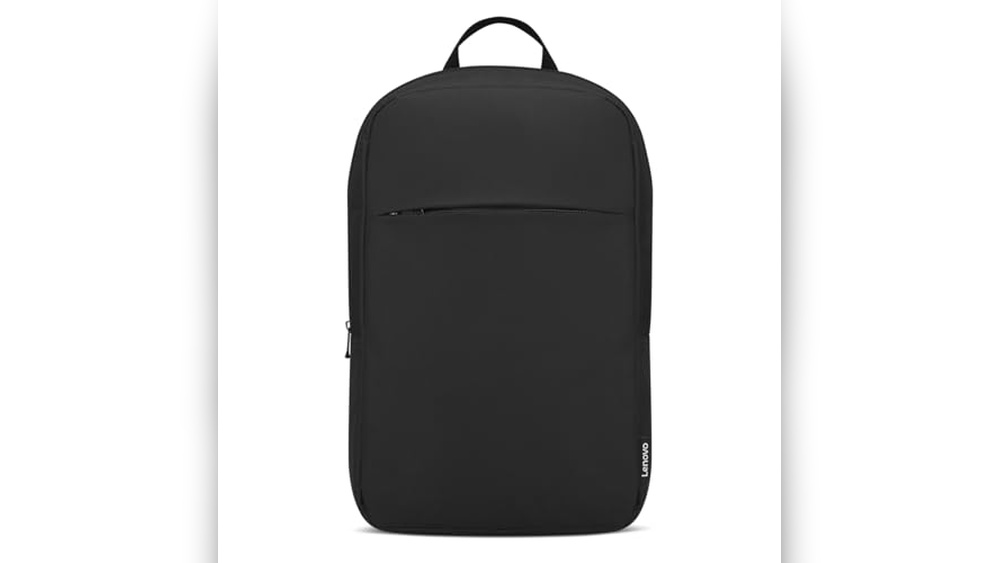
Have you ever felt your backpack getting heavier as the school day goes on? You might wonder, how much does a backpack weigh with textbooks inside?
Knowing the answer is important because carrying too much weight can hurt your back and affect your posture. You’ll discover the typical weight of a backpack loaded with textbooks and learn simple tips to lighten the load. Keep reading to protect your health and make your school days more comfortable.
Average Backpack Weight
Many students carry heavy backpacks daily. The average backpack weight varies based on what is inside. Textbooks are the main reason backpacks get heavy. Knowing the average weight helps prevent back pain and injury. It also guides students in packing smartly.
Typical Textbook Weights
Textbooks weigh between 2 to 5 pounds each. Science and math books are often heavier. History and literature books tend to be lighter. A student carrying three textbooks may have 10 to 15 pounds in books alone. The type and number of books affect the total weight greatly.
Additional Items Impact
Other items add weight to the backpack. Laptops usually weigh 3 to 5 pounds. Notebooks, folders, and stationery add 2 to 4 pounds. Water bottles and lunch boxes also increase the load. All these items combined can push the backpack weight over 20 pounds easily.
Factors Affecting Backpack Weight
The weight of a backpack with textbooks depends on several factors. These factors affect how heavy or light the backpack feels. Understanding them helps students manage their load better. It also helps parents choose the right backpack and supplies.
Number Of Subjects
The number of subjects a student studies affects the backpack weight. More subjects mean more textbooks and notebooks. Each subject adds extra books to carry. Fewer subjects mean fewer books and lighter backpacks. Students with many classes often carry heavier loads.
Type Of Textbooks
Textbooks come in different sizes and weights. Some books have thick pages or large formats. Others are thin and lightweight. Science and math books often have heavy content. Literature or language books tend to be lighter. Choosing smaller or thinner books reduces backpack weight.
Use Of Digital Materials
Digital materials can reduce the need for physical books. Tablets and e-readers store many textbooks in one device. Students can carry fewer hard copies this way. Digital files are easy to update and carry. This change helps lower the backpack’s total weight.
Health Effects Of Heavy Backpacks
Heavy backpacks filled with textbooks can cause many health problems. Carrying too much weight strains the body and affects daily comfort. Students often do not realize the impact until pain starts. Understanding these effects helps prevent future issues.
Common Physical Strains
Heavy backpacks put pressure on the shoulders and back. This pressure can cause muscle pain and soreness. Many students complain about neck pain after carrying books all day. The weight may also cause numbness or tingling in arms. Muscles work harder to balance the load, leading to fatigue.
Long-term Posture Issues
Carrying heavy backpacks regularly can change how students stand and walk. Leaning forward or to one side becomes a habit. This misalignment strains the spine and muscles over time. Poor posture can lead to chronic back problems in adulthood. Early care and lighter loads help maintain healthy posture.
Safe Weight Limits For Backpacks
Knowing the safe weight limits for backpacks is important. Carrying too much weight can cause pain and injury. Backpacks filled with textbooks and supplies can get very heavy. Keeping the load within safe limits helps protect the back and shoulders. It also makes carrying the bag easier and more comfortable. Understanding these limits helps parents and students pack wisely.
Recommended Weight Guidelines
Experts suggest backpacks should weigh no more than 10 to 15 percent of the person’s body weight. For example, a child who weighs 100 pounds should carry no more than 10 to 15 pounds. Staying within this range reduces the risk of strain and pain. Overloaded backpacks can cause poor posture and muscle stress. Using both shoulder straps also helps distribute the weight evenly.
Age-based Recommendations
Young children should carry even lighter backpacks. For kids under 10 years old, the limit is closer to 10 percent of their body weight. Older children and teenagers can handle up to 15 percent. Teachers and parents can help check backpack weight regularly. Making sure the bag is not too heavy supports healthy growth and good habits.
Tips To Reduce Backpack Weight
Backpacks with textbooks often become heavy and hard to carry. Reducing the weight helps protect your back and makes daily travel easier. Simple steps can lower the load without losing what you need.
Selecting Lightweight Supplies
Choose notebooks and binders made of light materials. Plastic or thin covers weigh less than thick, heavy ones. Use pens and pencils that are small and light. Avoid carrying extra supplies you rarely use.
Organizing Essentials Efficiently
Pack only what you need for the day. Place heavier items closer to your back for better balance. Use compartments to separate books and smaller items. This keeps the bag tidy and reduces shifting weight.
Using Digital Alternatives
Use tablets or e-readers to replace some textbooks. Download PDFs and notes to carry fewer books. Apps can store many materials in one device. This method cuts down bulk and eases the load.
Innovations In Backpack Design
Backpacks have changed a lot to meet the needs of students carrying heavy textbooks. Designers focus on comfort and safety while keeping the weight manageable. New ideas help reduce strain and make carrying books easier.
These innovations help protect the back and shoulders from pain. They also improve posture and balance. Understanding these new features can help you choose the best backpack for school.
Ergonomic Features
Ergonomic backpacks fit the natural shape of the body. They have padded shoulder straps to reduce pressure. The back panel often uses breathable materials for comfort.
Some backpacks have adjustable straps to fit different body sizes. This helps keep the backpack close to the body. It stops the backpack from moving too much while walking.
Many designs include lumbar support. This feature helps keep the lower back straight. It reduces the risk of pain from carrying heavy books.
Weight Distribution Technologies
Weight distribution is key for carrying heavy textbooks safely. Some backpacks have multiple compartments to spread the load evenly. This stops the backpack from pulling on one side.
Load lifter straps help bring the weight closer to the shoulders. This makes carrying heavy loads feel lighter. Hip belts also transfer some weight from the shoulders to the hips.
Backpacks with internal frames keep the bag’s shape. They help distribute weight across the back and hips. This technology lowers stress on the spine and muscles.
Frequently Asked Questions
How Much Does A Backpack With Textbooks Typically Weigh?
A backpack with textbooks usually weighs between 10 to 20 pounds. This depends on the number and size of textbooks carried daily. Heavy backpacks can strain the back and shoulders, so it’s important to manage the load effectively.
What Factors Influence The Weight Of A Textbook Backpack?
The weight depends on textbook size, number of books, and additional supplies. Heavier textbooks and multiple notebooks increase the overall weight. A backpack’s design and material can also affect how heavy it feels.
How Can Students Reduce Their Backpack Weight With Textbooks?
Students can reduce weight by carrying only necessary books each day. Using digital textbooks or sharing materials also helps lighten the load. Organizing and packing efficiently avoids carrying unnecessary items.
Is There A Recommended Maximum Weight For Textbook Backpacks?
Experts suggest backpacks should not exceed 10-15% of a student’s body weight. Exceeding this limit can cause posture problems and discomfort. Regularly checking backpack weight promotes better health and comfort.
Conclusion
A backpack with textbooks can weigh more than you expect. Most students carry around 10 to 20 pounds daily. This weight can cause back pain and tiredness. Choosing lighter books or digital versions helps reduce the load. Also, organizing your bag can make a difference.
Remember to take breaks and adjust your backpack straps. Keeping your backpack light improves comfort and health. Small changes make your school day easier and less stressful.