When you’re planning a backpacking trip, one big question probably crosses your mind: how long will your food last out there? Knowing this can make the difference between a smooth adventure and an uncomfortable, hungry hike.
You don’t want to carry too much weight, but you also don’t want to run out of fuel for your body. You’ll discover exactly how long different types of backpacking food stay good and how to keep your meals fresh and tasty.
Keep reading—you’ll learn simple tips that can save you time, money, and stress on the trail.

Credit: camphikelivecalifornia.com
Shelf Life Basics
Understanding the shelf life of backpacking food is essential for safe and enjoyable trips. Shelf life means how long food stays good to eat. It depends on many things like storage, packaging, and ingredients. Knowing these basics helps you pack smart and avoid waste.
Some foods last longer than others. Dry foods like rice or pasta can keep for years. Fresh foods spoil quickly. Proper storage can extend food life. Let’s explore what affects food longevity and how preservation works.
Factors Affecting Food Longevity
Temperature plays a big role in food life. Heat speeds up spoilage. Cold keeps food fresh longer. Moisture also affects food. Wet foods spoil faster than dry ones. Oxygen exposure causes food to go bad. Vacuum sealing reduces oxygen and extends life. Packaging material quality matters too. Strong, sealed packaging protects food better. Ingredients impact shelf life as well. Foods with fats spoil faster than dry carbs. Salt and sugar help preserve food naturally.
Food Preservation Methods
Drying removes moisture that bacteria need to grow. Freeze-drying keeps most nutrients and taste. Canning seals food in airtight containers. It stops bacteria and molds. Vacuum sealing removes air, slowing spoilage. Dehydrating is a simple drying method for fruits and vegetables. Pickling uses vinegar to prevent bacteria. Salting draws out moisture and preserves food. Each method extends shelf life differently. Choose preservation based on food type and trip length.

Credit: www.backpacker.com
Types Of Backpacking Food
Choosing the right food for backpacking is important. Different types of backpacking food last for different times. They also vary in weight, taste, and ease of preparation. Knowing these types helps you pack smart and eat well on the trail.
Some foods are lightweight and need water to prepare. Others come ready to eat but can be heavier. Some last for months, while fresh foods spoil in days. Understanding these options keeps you fueled and happy outdoors.
Dehydrated And Freeze-dried Meals
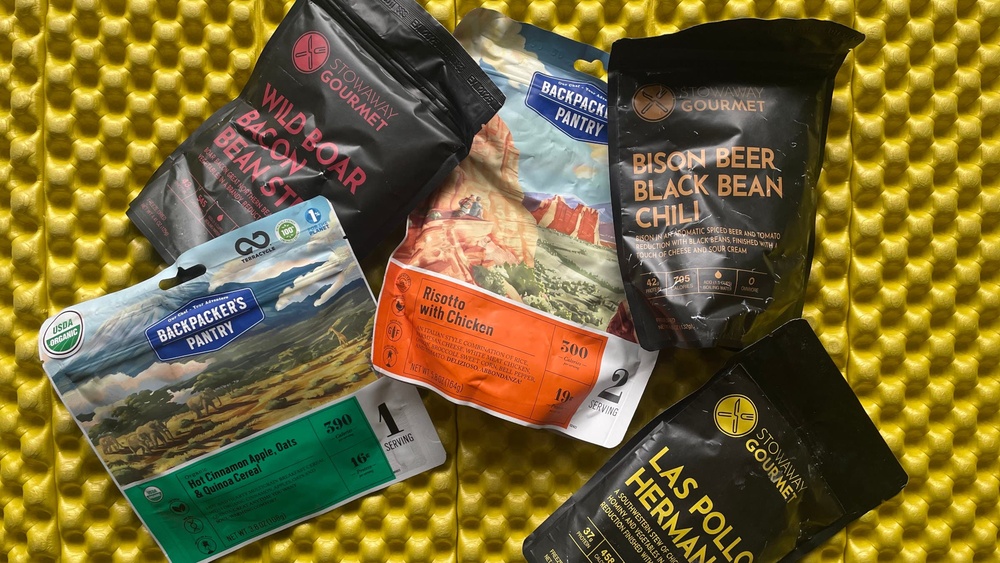
These meals are very light. Most water is removed, making them easy to carry. Just add hot water to eat. They last for months or even years unopened. They keep most nutrients and taste good after rehydrating.
Canned And Jarred Foods
Canned foods are heavier but last a long time. They often have ready-to-eat meals like beans or stews. Jarred foods like peanut butter or jam also last well. These options do not need cooking but add weight to your pack.
Energy Bars And Snacks
Energy bars and snacks are quick and easy. They give instant energy during hikes. Bars last a long time and do not spoil easily. Nuts, dried fruits, and trail mixes are popular snacks. These are perfect for short breaks on the trail.
Fresh Versus Packaged Options
Fresh foods taste good but spoil fast. Fruits, vegetables, and sandwiches need to be eaten quickly. Packaged foods are made to last longer. They are safer for long trips without refrigeration. Balancing fresh and packaged food helps keep meals enjoyable.
Storage Tips For Maximum Freshness
Keeping backpacking food fresh is key for a good trip. Proper storage helps food last longer and taste better. It also prevents waste and saves money. Use simple ways to store your food right. This keeps it safe and fresh.
Proper Packaging Techniques
Use airtight containers or resealable bags. Remove as much air as possible from the bags. Wrap food tightly with plastic wrap or foil. Keep dry foods in moisture-proof bags. Label packages with the date of packing. This helps track how long food stays fresh.
Ideal Temperature And Humidity
Store food in a cool, dry place. Avoid heat and direct sunlight exposure. High temperature speeds up spoilage. Low humidity prevents mold and sogginess. Use insulated bags to keep food cool. Keep food away from damp areas to avoid moisture damage.
Using Vacuum Sealing
Vacuum sealing removes air from packaging. This slows down oxidation and bacteria growth. It keeps food fresh for weeks or months. Vacuum-sealed bags save space in your backpack. Use a quality vacuum sealer for best results. This method works well for meats, cheeses, and dry goods.
Shelf Life Estimates By Food Type
Backpacking food lasts for different times depending on the type. Knowing the shelf life helps plan trips better. It ensures food stays safe and tasty. Here are common food types and their shelf life estimates.
Grains And Pasta
Grains and pasta are staples for backpackers. White rice and dry pasta last up to 1-2 years if kept dry. Whole grains have oils that can go bad sooner, about 6-8 months. Store in airtight containers to keep freshness. Avoid moisture to prevent mold growth.
Dried Fruits And Nuts
Dried fruits and nuts provide quick energy. Nuts can last 6-12 months in cool, dry places. Dried fruits last about 6-12 months too. Keep them sealed to avoid air and humidity. Over time, nuts may get rancid, and fruits may harden.
Meat And Protein Sources
Dehydrated or freeze-dried meats last 1-5 years sealed. Jerky lasts about 1-2 months once opened. Canned meats last 2-5 years unopened. Protein powders keep well for about 1 year. Store all in cool, dry spots to keep quality.
Vegetables And Soups
Freeze-dried vegetables last 5-10 years if sealed. Dehydrated vegetables last 1-2 years. Instant soups last about 1-2 years unopened. Always keep packaging airtight. Moisture damages these foods quickly, so storage is key.
Signs Of Spoilage To Watch For
Backpacking food can last a long time, but it does not last forever. Knowing the signs of spoilage helps avoid eating bad food. Spoiled food can cause stomach problems or worse. Always check your food carefully before eating. Here are key signs to watch for.
Visual Indicators
Look closely at your food before eating. Mold or unusual spots show spoilage. Discoloration or dark patches often mean the food is bad. Bulging packaging can signal gas from bacteria. Any leaks or wetness inside the package are warning signs. Avoid food with visible damage or stains.
Smell And Texture Changes
Smell your food carefully. A sour, rotten, or strange odor means it is spoiled. Fresh backpacking food usually has a neutral or mild smell. Texture also changes with spoilage. Food may feel slimy, sticky, or mushy. Hard or dry foods might become soft or crumbly. These changes show the food is not safe.
Taste And Safety Considerations
Taste only a small amount if other signs are unclear. A sour or bitter taste means the food has gone bad. Spit it out immediately. Do not swallow spoiled food. Eating bad food can cause nausea, vomiting, or diarrhea. When in doubt, throw it out. Safety is more important than saving food.
Extending Shelf Life In The Backcountry
Keeping backpacking food fresh during your trip is key. Food can spoil fast without the right care. Proper storage and smart habits help extend shelf life. This keeps meals safe and tasty for longer. Simple steps make a big difference in the backcountry.
Using Coolers And Insulated Containers
Coolers slow down food spoilage by keeping items cold. Use ice packs or frozen water bottles inside. Insulated containers keep heat away from perishable foods. Store meat, dairy, and fruits in these containers. Avoid opening coolers often to keep cold air inside. This method helps food last days longer.
Managing Food Rations Efficiently
Plan meals carefully to avoid waste. Pack only what you need for each day. Divide food into daily portions before the trip. This limits exposure to air and pests. Eat high-risk foods first, like fresh fruits. Save dry goods and canned items for later days.
Rehydration Best Practices
Use clean water to rehydrate dried foods. Warm water speeds up the process and improves taste. Do not soak food for too long to avoid sogginess. Store rehydrated food in sealed containers or bags. This prevents contamination and keeps food fresh. Follow package instructions for best results.
Emergency And Long-term Food Storage
Emergency and long-term food storage is crucial for backpackers who plan extended trips or face unexpected situations. Proper storage ensures food stays safe, nutritious, and tasty for a long time. Knowing how to store food and rotate supplies helps avoid waste and hunger. It also prepares you for emergencies where fresh food is unavailable.
Stocking For Extended Trips
Choose foods that last long without refrigeration. Freeze-dried meals, canned goods, and dehydrated snacks work well. Pack lightweight, high-calorie items to save space. Store food in airtight containers to prevent moisture and pests. Include vitamins and supplements to keep nutrition balanced. Plan enough food for each day, plus extra for emergencies.
Rotating Food Supplies
Use a rotation system to keep food fresh. Eat the oldest items first and replace them with new ones. Label food with purchase or packing dates. Check supplies regularly for spoilage or damage. Proper rotation reduces waste and keeps your stock ready. This habit is vital for long trips and emergency kits.
Backup Meal Options
Always carry backup meals in case of delays or accidents. Energy bars, nuts, and dried fruits are great for quick energy. Include easy-to-prepare meals that only need water. Store some extra food in a separate pack. Backup options provide peace of mind on remote trails. They help maintain strength and focus during tough times.

Credit: camphikelivecalifornia.com
Frequently Asked Questions
How Long Does Dehydrated Backpacking Food Last?
Dehydrated backpacking food typically lasts 1 to 5 years when stored properly. Keep it sealed and in a cool, dry place. Avoid moisture and heat to extend its shelf life and maintain nutritional value.
Can Freeze-dried Meals Stay Edible After 10 Years?
Freeze-dried meals can last 10 to 25 years if unopened and stored well. Proper packaging and a stable, cool environment are key. Always check for any damage or off smells before consumption.
How Should I Store Backpacking Food For Longer Shelf Life?
Store backpacking food in airtight containers away from heat and sunlight. Use vacuum-sealed bags or Mylar pouches with oxygen absorbers. Keep foods in a cool, dry place to maximize freshness and shelf life.
Does Packaging Affect Backpacking Food Shelf Life?
Yes, packaging greatly affects shelf life. Vacuum-sealed and airtight packaging prevent moisture and oxygen exposure. Proper packaging keeps food safe, fresh, and flavorful for longer periods.
Conclusion
Backpacking food lasts differently based on type and storage. Dry foods like rice and pasta stay good longer. Canned goods can last for years if unopened. Fresh foods spoil quickly and need careful planning. Always check expiration dates before packing your meals.
Store food in cool, dry places to keep it fresh. Proper storage helps prevent waste and keeps you safe. Plan your food well to enjoy your trip without worry. Safe food means a happy and healthy backpacking adventure.