Are you planning a backpacking trip and wondering how many pounds you should carry? Carrying the right weight can make or break your adventure.
Too heavy, and you’ll tire quickly; too light, and you might miss essential gear. Finding the perfect balance is key to enjoying every step of your journey. You’ll discover simple tips to pack smart, avoid common mistakes, and keep your backpack comfortable no matter where you go.
Keep reading to learn how to make your backpacking experience easier and more enjoyable.
Credit: www.rei.com
Ideal Backpack Weight
Choosing the right backpack weight is key for a good hiking trip. Carrying too much can tire you quickly. Carrying too little might mean missing important gear. The ideal weight balances comfort and safety. It helps you walk longer and enjoy the outdoors more.
Recommended Weight Limits
Experts suggest your pack should weigh about 20% of your body weight. For example, if you weigh 150 pounds, your pack should be around 30 pounds. Some hikers carry even less, between 10% and 15%, for easier walking. Beginners may start with lighter loads to build strength. Keep your pack as light as possible without missing essentials.
Factors Influencing Pack Weight
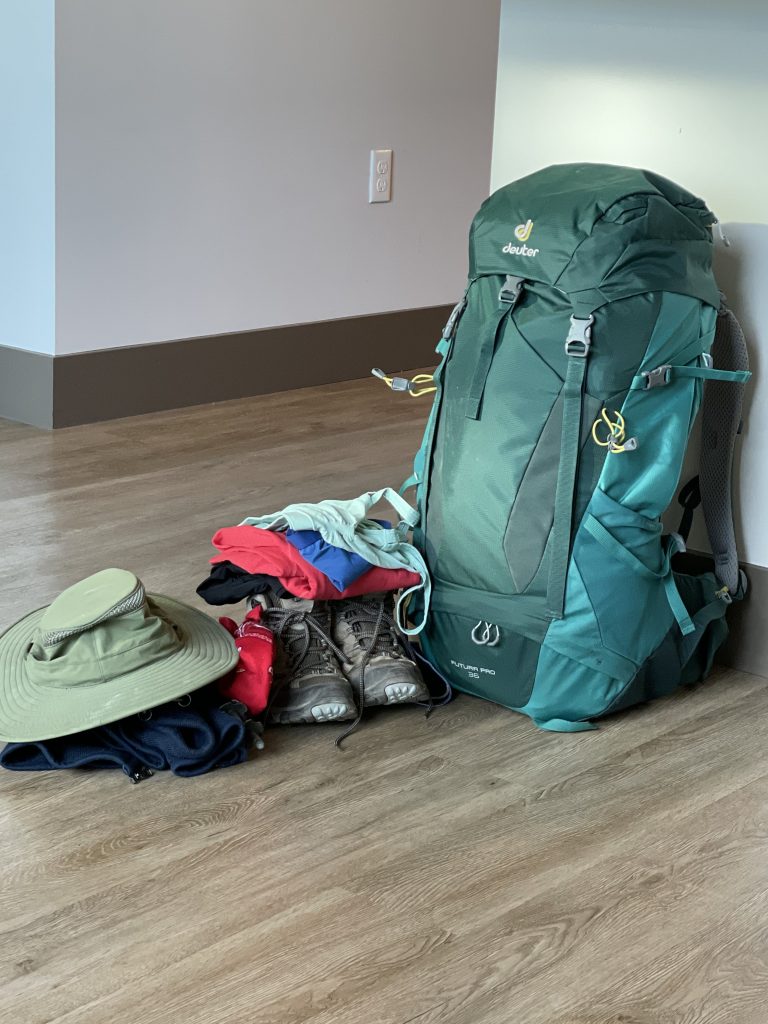
Trip length affects how much you carry. Longer trips need more food and gear. Weather conditions also matter. Cold or wet weather requires extra clothes and shelter. Your fitness level influences how much weight you can handle. Stronger hikers may carry heavier packs. Terrain is another factor. Steep or rough trails call for lighter loads. Every item in your pack should have a purpose.
Credit: www.voyageurtripper.com
Choosing Lightweight Gear
Choosing lightweight gear makes backpacking easier and more fun. Carrying less weight helps you walk longer and faster. It also reduces strain on your body. The secret is picking items that are light but still strong and useful. Focus on what you really need and avoid extra weight.
Essentials Vs Extras
Start by separating essentials from extras. Essentials include items for safety, shelter, and food. Extras are nice-to-have but not necessary. Carry only essentials to keep your pack light. Leave behind things you can live without. This choice saves energy and makes your trip safer.
Material Choices
Pick gear made from lightweight materials. Look for items made of nylon, titanium, or aluminum. These materials are strong but weigh less than others. Avoid heavy metals and thick fabrics. Lightweight gear reduces the total pack weight significantly. It also dries faster and packs smaller.
Multi-purpose Items
Choose items that serve more than one purpose. A bandana can be a towel, sunshade, or pot holder. A trekking pole can double as a tent pole. Multi-use gear cuts down the number of items you carry. This approach keeps your backpack lighter and your load simpler.
Packing Strategies
Packing for backpacking requires smart strategies. The right approach makes your load lighter and your trip easier. Planning what to bring and how to carry it helps avoid pain and fatigue. A well-packed backpack improves balance and comfort on the trail.
Focus on choosing essential items and fitting them well. Use tools like compression bags to save space. Distribute weight evenly to keep your body steady. These simple tips help you carry less and enjoy more.
Prioritizing Items
List all items before packing. Choose only what you need for safety and comfort. Leave behind extras that add weight without value. Pack multi-use gear to reduce the number of items. Prioritize food, water, shelter, and clothing. Keep essentials easy to reach.
Weight Distribution Tips
Place heavy items close to your back, near the middle. This keeps your center of gravity stable. Put medium weight items at the bottom. Lighter items go on top and at the sides. Balance weight evenly on both sides. Adjust straps to fit snugly and keep load tight.
Using Compression Bags
Compression bags reduce bulk by squeezing air out. Use them for clothes, sleeping bags, and soft items. Smaller packs save space inside your backpack. Compression bags protect items from moisture and dirt. They make your pack more organized and compact. Choose durable bags that are easy to seal.

Credit: www.thepackablelife.com
Nutrition And Water Weight
Nutrition and water weight are key factors in backpacking. They greatly affect how much weight you carry. Choosing the right food and managing water can make your hike easier. Every extra pound matters on long trails.
Food Weight Considerations
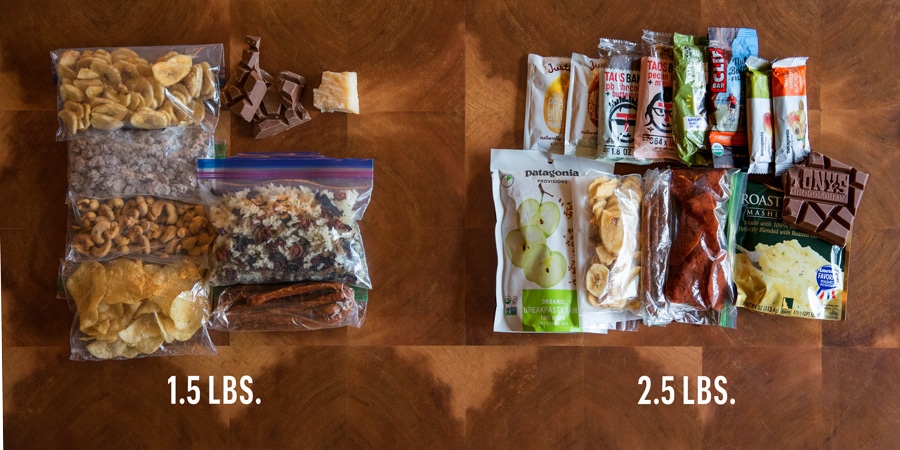
Choose lightweight, high-energy foods for your backpack. Dried fruits, nuts, and energy bars work well. Avoid heavy canned or fresh foods. Plan meals that are easy to prepare and carry. Pack only what you need to reduce weight. Remember, more calories per ounce means less weight.
Water Carrying Tips
Water is heavy but essential. Carry only the amount you need between water sources. Use a lightweight water bottle or hydration bladder. Treat water from streams instead of carrying all water. Know your trail’s water points to plan better. Balance between enough water and not too much weight.
Adjusting For Trip Duration
Adjusting your backpack weight depends a lot on how long your trip will be. Different trip lengths need different amounts of gear and food. Packing smart helps you carry less and enjoy your adventure more. Think about what you really need for the days you will spend outdoors. This helps keep your backpack lighter and your steps easier.
Short Vs Long Trips
Short trips usually last one to three days. You can carry less food and fewer clothes. A lighter pack means faster walking and less tired legs. Focus on essentials like water, snacks, and a warm layer. Long trips need more planning. You must carry extra food and more clothing layers. You also need a bigger shelter and more fuel. Your pack will be heavier, so choose lightweight gear carefully. Balance comfort and weight for the best experience.
Resupply Options
Resupplying means getting more food or gear during your trip. It helps reduce your pack weight. You can plan stops at stores or drop points. Carry only what you need until the next resupply. This method works well for long trips. It lets you carry less food at a time. Without resupply, you must pack everything from the start. That makes your pack very heavy. Plan your route and resupply points before you go. This keeps your load lighter and your trip safer.
Physical Fitness And Backpack Weight
Physical fitness plays a big role in deciding the right backpack weight. Carrying a heavy pack can cause pain and injury. Your body must be ready to handle the load. Strength, endurance, and balance all affect how much weight you can carry.
Choosing the right pack weight helps you enjoy the hike. It also keeps you safe on rough trails. Knowing your fitness level guides you to pack smart. This prevents overloading and fatigue during your trip.
Matching Weight To Fitness Level
People with strong muscles and good endurance can carry heavier packs. Beginners or less fit hikers should choose lighter loads. A good rule is to carry no more than 20% of your body weight. Fit hikers might handle up to 30% safely. Always test your pack weight on short walks before long trips.
Training Recommendations
Start training weeks before your hike. Focus on building leg and back strength. Walk with a loaded backpack to get used to the weight. Add uphill walking or stair climbing to improve endurance. Stretch regularly to avoid stiffness and injury. Gradually increase pack weight during training sessions. This prepares your body for long backpacking days.
Common Weight Mistakes
Backpacking with the right weight is key for a good trip. Many hikers make common weight mistakes that cause discomfort and slow progress. These errors often come from simple habits and choices. Understanding these mistakes helps you pack smarter and enjoy your journey more.
Overpacking Pitfalls
Carrying too much weight is a frequent problem. Many pack extra clothes, food, and gear “just in case.” Each extra pound makes walking harder and tires you faster. Overpacking can lead to sore shoulders and back pain. It also reduces your speed and enjoyment. Keeping gear light helps you move easier and hike longer.
Ignoring Gear Weight Labels
Many ignore the weight listed on gear tags. They assume all items weigh about the same. This mistake adds unexpected pounds to the pack. Choosing lighter gear options can save several pounds. Always check weight labels before buying or packing. Small differences add up fast and affect your comfort.
Frequently Asked Questions
How Many Pounds Should A Backpack Weigh?
A backpack for multi-day trips should weigh 20-35 pounds. For day hikes, 10-15 pounds is ideal. Keep weight manageable to avoid fatigue and injury.
What Factors Affect Backpack Weight Recommendations?
Backpack weight depends on trip length, terrain, weather, and personal fitness. Lightweight gear and packing essentials only help maintain comfort and safety.
How Can I Reduce My Backpack Weight Effectively?
Use lightweight gear, pack multipurpose items, and limit non-essentials. Prioritize food, water, shelter, and clothing to stay efficient and safe.
Is There A Maximum Weight Limit For Backpacking?
Experts suggest not exceeding 25% of your body weight. Carrying too much weight causes strain and reduces hiking endurance and enjoyment.
Conclusion
Backpacking weight affects comfort and safety on the trail. Keep your pack light to enjoy longer hikes with less strain. Aim to carry only what you truly need. Every extra pound makes walking harder. Choose gear that is both useful and light.
Remember, less weight means more energy and fun. Adjust your load based on trip length and terrain. Find a balance that works for you. Stay prepared but avoid overpacking. This approach helps you hike smarter and happier.