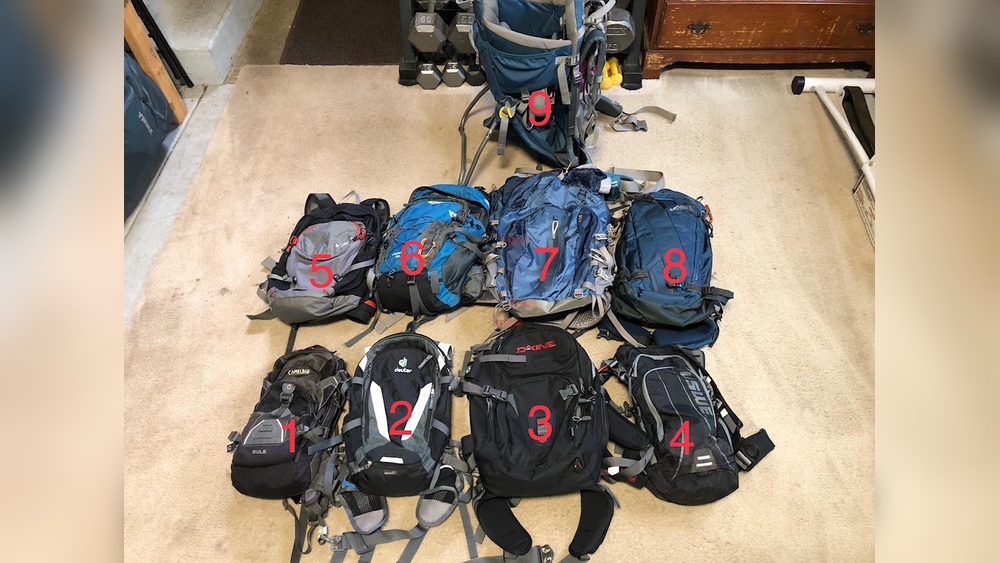
Have you ever wondered how many backpacks you really need? It might seem like a simple question, but the answer can change how you organize your life, travel, and even your daily routine.
Choosing the right number of backpacks can save you time, money, and stress. You’ll discover the key factors to consider so you can make the perfect choice for your lifestyle. Keep reading, because finding the right backpack setup could be easier—and more useful—than you think.

Credit: www.youtube.com
Factors To Consider
Choosing the right number of backpacks depends on several key factors. These factors help you decide how many backpacks fit your lifestyle and needs. Understanding these points can save money and space.
Purpose And Usage
Think about what you need backpacks for. Is it for school, work, travel, or outdoor activities? Different uses need different backpack types. A hiking backpack is not the same as a school bag. Knowing the purpose helps pick the right style and size.
Frequency Of Use
How often do you use a backpack? Daily users may need more than one. For example, one for work and another for gym. Occasional users might only need one. Frequency affects durability needs too. A backpack for daily use must be strong and comfy.
Storage Needs
Consider what you carry in your backpack. Books, laptops, clothes, or sports gear? Larger items need bigger bags or more backpacks. Some people like organizing with multiple bags for different items. Think about compartments and pockets too. Proper storage makes life easier.
Budget Constraints
Money is a big factor in choosing backpacks. Good quality bags cost more but last longer. Buying many backpacks can add up. Set a budget before shopping. Sometimes one versatile backpack is better than many cheap ones. Balance quality and quantity carefully.
Credit: www.rei.com
Types Of Backpacks
Backpacks come in many shapes and sizes. Each type suits a different purpose. Understanding these types helps you pick the right one. It also stops you from buying too many backpacks.
Everyday Backpacks
Everyday backpacks are simple and practical. They carry books, laptops, and daily items. These bags are lightweight and easy to carry. Many have padded straps for comfort. They fit well for school, work, or casual use.
Travel Backpacks
Travel backpacks hold more and offer extra features. They have large compartments for clothes and gear. Many include lockable zippers for security. They often come with padded hip belts to spread weight. These backpacks make long trips easier and more organized.
Hiking Backpacks
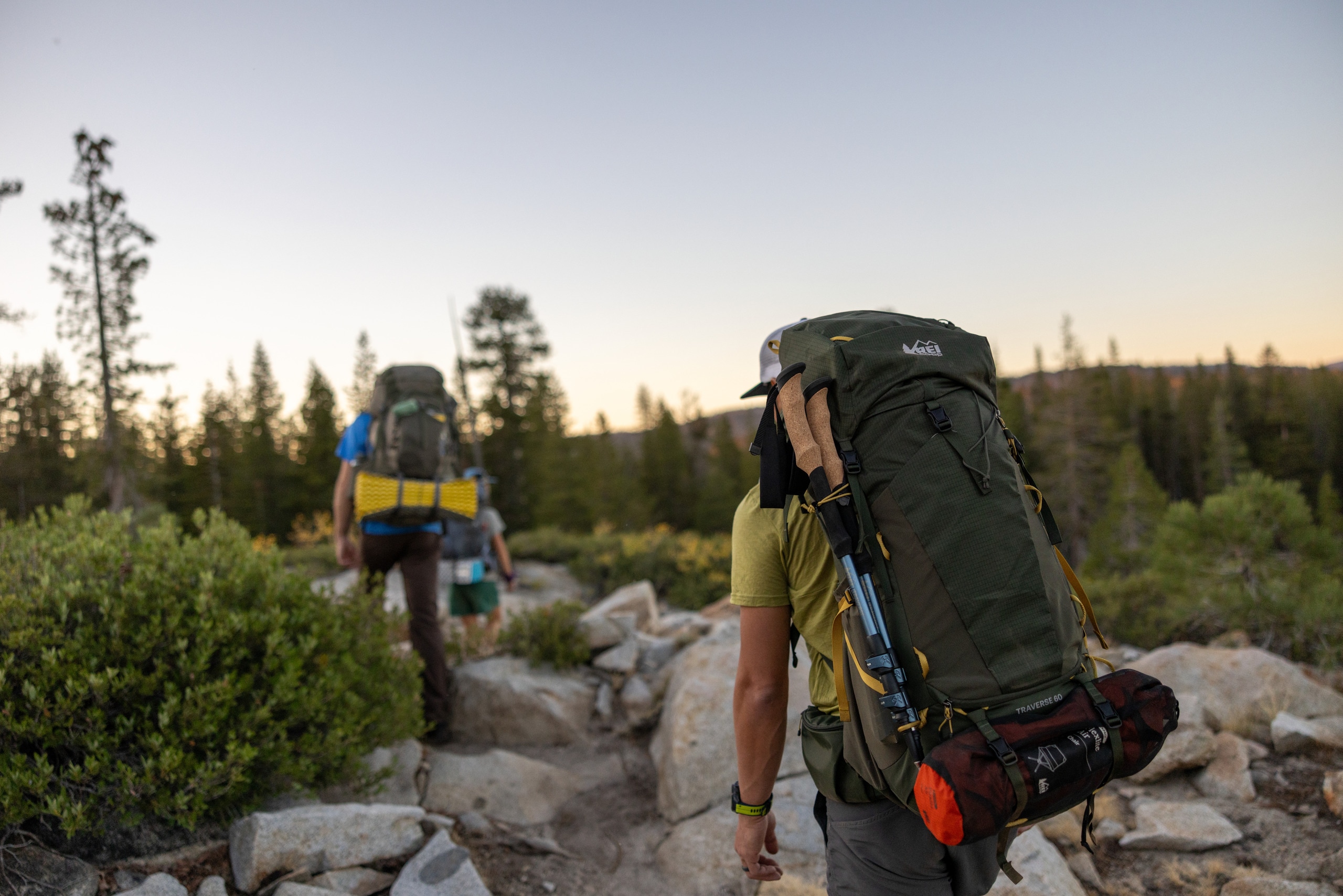
Hiking backpacks are built for tough outdoor use. They are durable and water-resistant. These bags have special frames to support heavy loads. They include pockets for water bottles and gear. Hiking backpacks keep you comfortable on long trails.
Specialized Backpacks
Specialized backpacks serve unique needs. Camera backpacks protect fragile equipment with extra padding. Laptop backpacks focus on tech and charging ports. Some backpacks are designed for sports or school supplies. These bags meet specific demands and keep items safe.
Balancing Quantity And Functionality
Finding the right balance between how many backpacks you own and how well they work is key. Too many bags clutter your space and confuse choices. Too few might leave you unprepared for different needs. Quality and purpose should guide your decisions. Each backpack should serve a clear role.
Avoiding Excess
Owning too many backpacks creates clutter and wastes money. Most people rarely need more than two or three bags. Excess bags sit unused and collect dust. Focus on keeping only backpacks you use regularly. This helps keep your space tidy and your choices simple.
Maximizing Versatility
Choose backpacks that work for many situations. Look for bags with adjustable compartments and sturdy straps. A versatile backpack fits school, work, or short trips. Versatility means fewer bags are needed overall. This saves money and reduces clutter.
Choosing Multi-purpose Bags
Multi-purpose backpacks combine style and function in one. They fit laptops, books, and gym gear easily. These bags adapt to your daily activities smoothly. One good multi-purpose backpack often replaces several single-use bags. This choice keeps your collection lean and useful.
Organizing Your Collection
Organizing your backpack collection helps keep your space neat and your bags in good shape. A well-arranged collection makes it easy to find the right backpack fast. It also extends the life of each backpack. Proper organization saves time and stress, especially if you own many bags.
Storage Tips
Store backpacks in a dry, cool place to avoid damage. Use hooks or shelves to keep them off the floor. Keep each backpack open slightly to air it out. Avoid stacking backpacks on top of each other. Use clear bins for smaller backpacks to see them easily.
Maintenance And Care
Clean backpacks regularly to keep them fresh. Spot clean stains as soon as you see them. Use mild soap and water for cleaning. Let backpacks air dry completely after cleaning. Check zippers and straps for any damage often. Repair small tears before they get worse.
Replacing Vs. Adding
Replace backpacks that are worn out or no longer fit your needs. Adding too many backpacks can create clutter. Focus on quality over quantity. Choose backpacks that suit different activities or styles. Keep only backpacks you use regularly. Sell or donate backpacks you no longer need.
Making Smart Purchases
Choosing the right backpacks means making smart purchases. It saves money and reduces waste. Buying backpacks that last and serve your needs is important. Focus on quality, fit, and material. These factors make your backpack useful for a long time.
Quality Over Quantity
One good backpack is better than many cheap ones. Cheap backpacks break fast and need replacing. A quality backpack holds up well and feels comfortable. It also protects your belongings better. Choose backpacks with strong zippers and sturdy stitching. This way, you avoid buying again soon.
Assessing Material And Build
Check the fabric of the backpack. Nylon and polyester are strong and water-resistant. Thick material lasts longer. Look for reinforced seams and padded straps. These details improve comfort and durability. Avoid thin or weak fabric that tears easily. Good build quality means your backpack handles heavy loads well.
Finding The Right Fit
Pick a backpack that fits your body size and shape. Straps should adjust easily to sit well on your shoulders. The backpack should not be too big or too small. A good fit spreads weight evenly and prevents pain. Try wearing it with weight inside before buying. Comfort is key for daily or long use.

Credit: www.reddit.com
Frequently Asked Questions
How Many Backpacks Do I Really Need?
The number of backpacks you need depends on your lifestyle and activities. Typically, one versatile backpack suffices for daily use. Having a second specialized backpack can help for travel or specific hobbies. Assess your needs before buying multiple backpacks.
What Type Of Backpacks Should I Own?
Owning a daily-use backpack and a travel backpack covers most needs. A daily backpack should be durable and comfortable. A travel backpack should have extra compartments and be spacious. Choose backpacks that suit your activities and offer functionality.
Can One Backpack Serve All Purposes?
One backpack can serve multiple purposes if it’s versatile. Look for adjustable compartments, durable materials, and comfortable straps. However, specialized activities like hiking or work might require specific backpacks. Evaluate your activities to decide if one backpack is enough.
How Do I Choose The Right Backpack Size?
Pick a backpack size based on your daily load and trip length. Small backpacks suit light daily use. Medium to large backpacks work best for travel or outdoor activities. Ensure the backpack fits your body comfortably and meets your storage needs.
Conclusion
Choosing how many backpacks you need depends on your lifestyle. One backpack might suit daily use or school. Two or three backpacks work well for travel and sports. Think about what you carry and how often you switch activities. Pick bags that fit your needs and feel comfortable.
Quality matters more than quantity for long-term use. Keep it simple and practical. Your backpack choice should make life easier, not harder.
