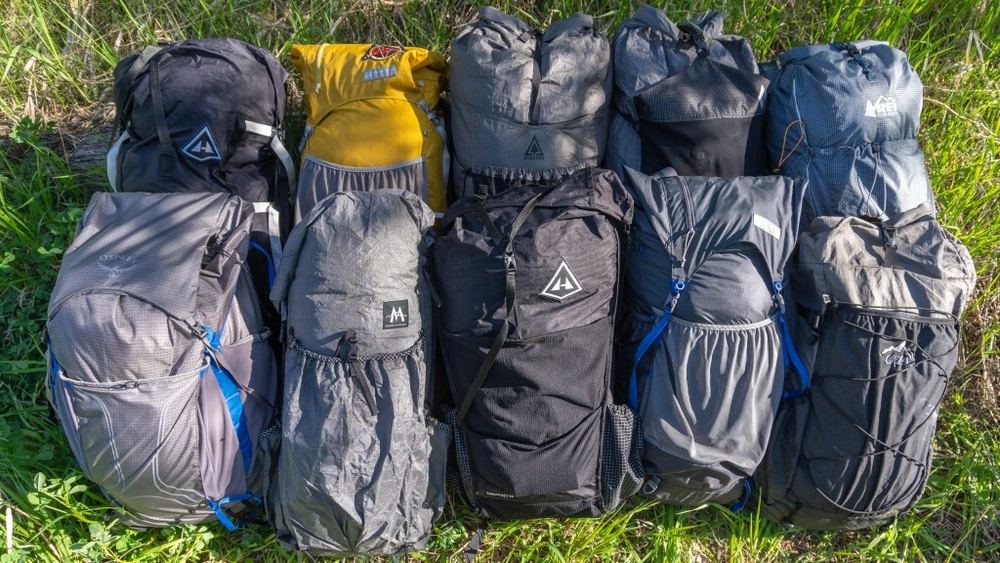
How big is your pack when you go ultralight backpacking? It’s more important than you might think.
The size of your pack can change the way you move, feel, and even enjoy your time outdoors. Carrying too much can slow you down and tire you out. But packing too little might leave you unprepared. You’ll discover how to find the perfect pack size for your needs.
You’ll learn simple tips to lighten your load without missing out on essentials. Ready to make your next trip easier and more enjoyable? Let’s dive in.
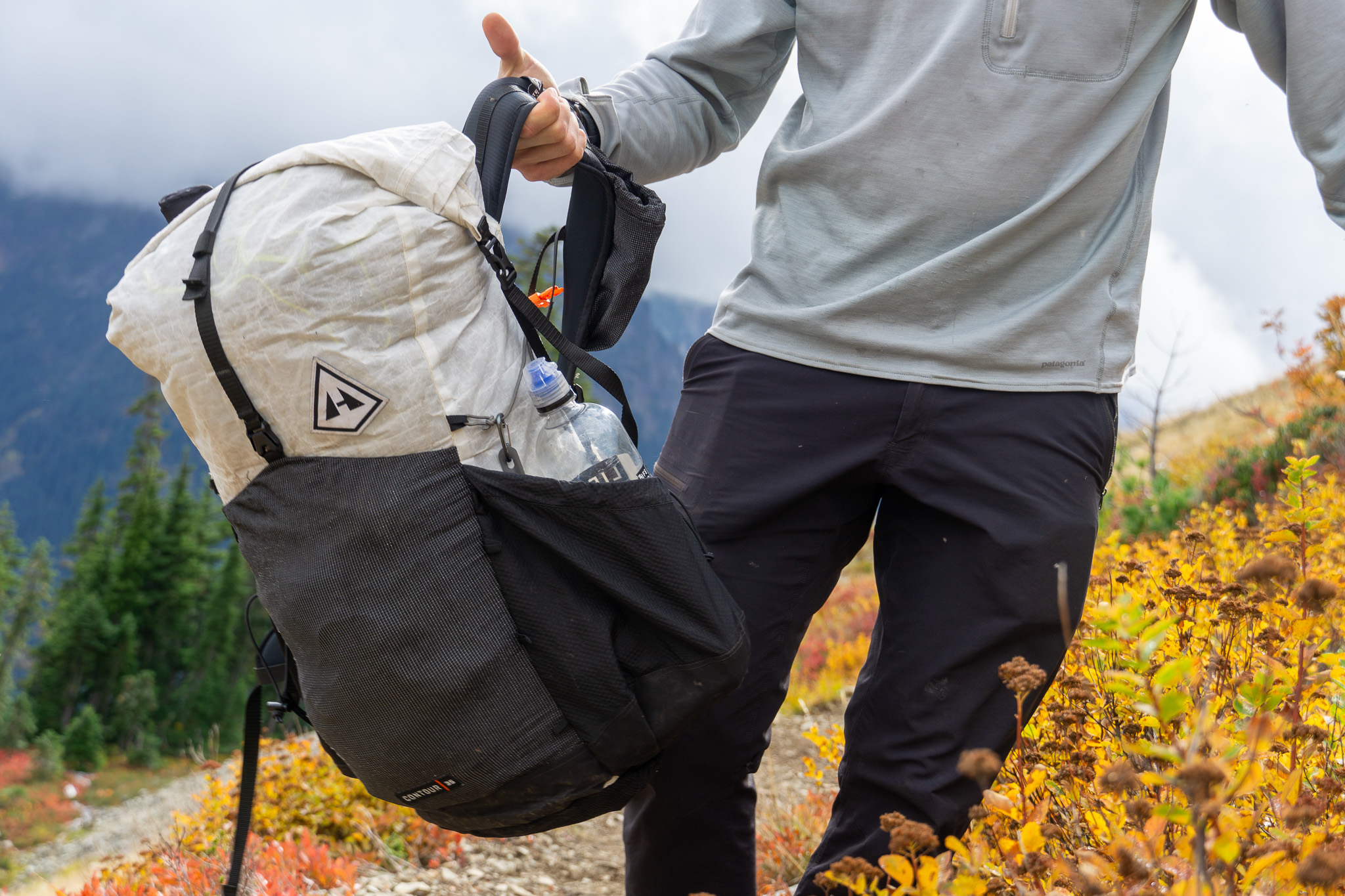
Credit: gearjunkie.com
Choosing The Right Pack Size
Choosing the right pack size is key for ultralight backpacking. It affects comfort, weight, and how much gear you can carry. Picking a pack too big or too small can cause problems on the trail. Consider your trip type and gear needs carefully. This helps you find a pack that fits your style and trip length well.
Assessing Trip Length And Needs
Short trips need less space. A smaller pack holds essentials without extra weight. For longer trips, you need more room for food and clothes. Think about weather and terrain too. Cold weather needs bulkier gear. Hot weather needs less clothing. Match your pack size to what you really need.
Balancing Capacity And Weight
Bigger packs weigh more even when empty. Ultralight backpackers want to keep weight low. Choose a pack just large enough for your gear. Avoid overpacking by picking a pack that fits your load. This balance keeps you fast and comfortable on the trail.
Popular Ultralight Pack Sizes
Common ultralight packs range from 30 to 50 liters. Thirty to 40 liters suits most weekend trips. Forty to 50 liters works well for longer adventures. Some hikers prefer 20 to 30 liters for very minimal gear. Pick a size that matches your gear list and trip demands.
Essential Gear For Ultralight Packs
Choosing the right gear is the key to a successful ultralight backpacking trip. Every item in your pack should have a clear purpose. Carrying less weight means moving faster and feeling better on the trail. Focus on gear that is small, light, and functional.
Ultralight gear often costs more but pays off in comfort and ease. It helps you enjoy nature without being weighed down. Let’s explore some essential gear categories that keep your pack light.
Minimalist Shelter Options
Minimalist shelters protect you from weather without heavy bulk. Popular choices include lightweight tents, tarps, and bivy sacks. These shelters weigh under two pounds and pack small. Tarps offer versatility and breathability. Bivy sacks are compact and simple. Choose materials like silnylon or cuben fiber for strength and lightness.
Compact Cooking Systems
Compact cooking gear saves space and weight in your pack. Small stoves using canister or alcohol fuel work well. Titanium pots are light and durable. Some systems combine stove and pot for less bulk. Carry only the essentials: a pot, stove, and minimal utensils. Avoid heavy fuel bottles and large cookware.
Lightweight Clothing Choices
Clothing should be light but protect against weather changes. Synthetic and merino wool fabrics dry fast and resist odor. Pack layers that fit well and serve multiple purposes. A lightweight rain jacket and insulating layer are must-haves. Avoid cotton as it holds moisture and adds weight. Choose clothes that compress easily and dry quickly.
Packing Strategies To Save Space
Packing light is key for ultralight backpacking. Saving space helps you carry less weight. It makes your hike easier and more fun. Smart packing strategies help you fit all essentials in a small pack. These tips focus on organizing and using gear wisely.
Organizing With Cubes And Stuff Sacks
Use packing cubes to keep items tidy. They separate clothes, food, and gear. Stuff sacks are great for compressing soft items. Both help you find things fast. Organized packing reduces wasted space and mess.
Rolling Vs. Folding Techniques
Rolling clothes saves more room than folding. It also cuts down wrinkles. Roll tight and stack items vertically. Folding works for bulkier gear like jackets. Choose the method that fits your gear best.
Prioritizing Multi-use Items
Carry gear that has more than one use. A bandana can serve as a towel or sun shield. A pot can also be a bowl. Multi-use items cut down how much you pack. They keep your load lighter and simpler.
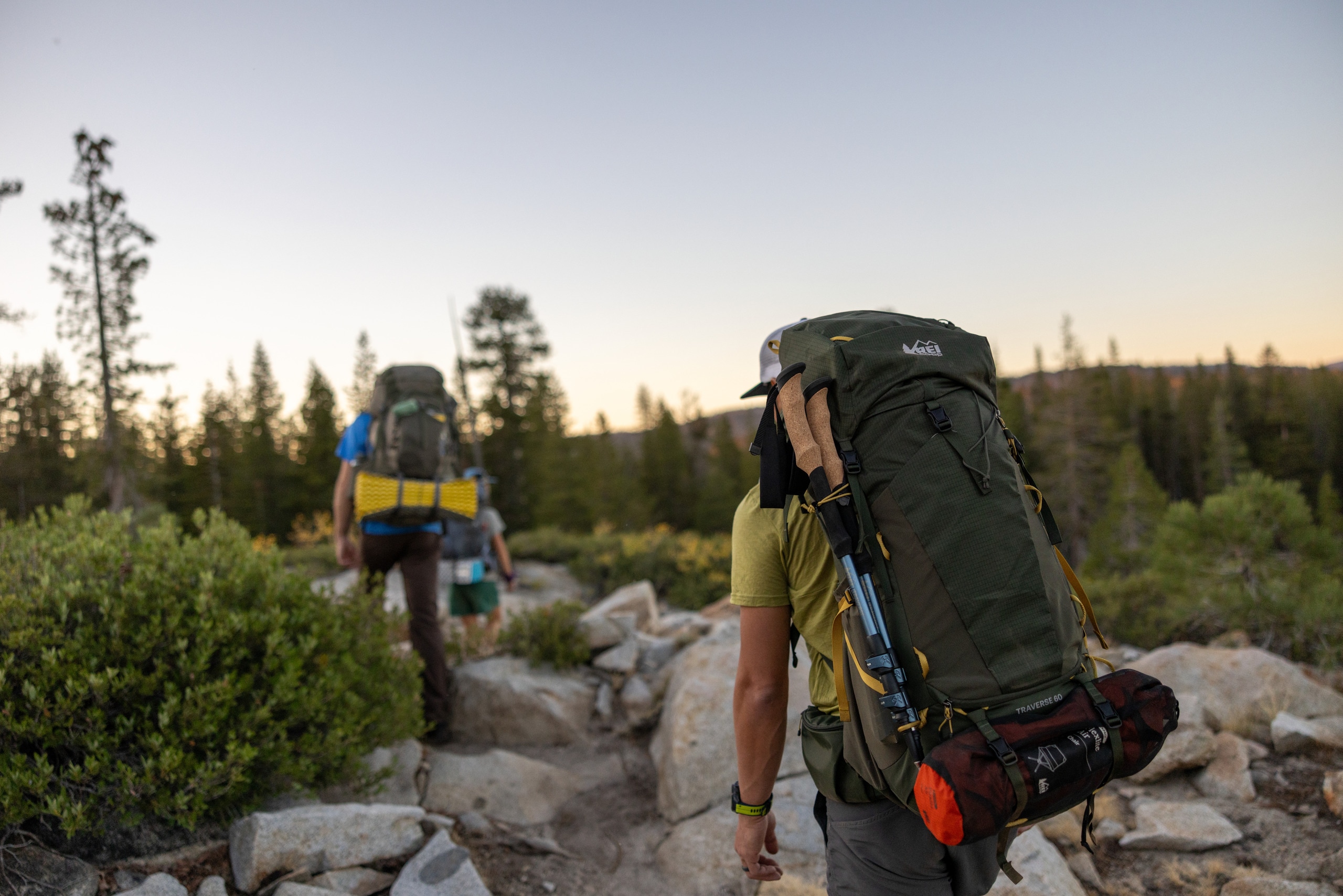
Credit: www.rei.com
Weight Distribution And Comfort
Weight distribution and comfort are key for ultralight backpacking. Carrying a heavy pack wrong can cause pain and slow you down. Proper balance helps you walk longer and feel better. Small changes in how you pack and adjust your bag make a big difference.
Proper Load Placement
Place heavy items close to your back and near your shoulders. This keeps the weight centered and stable. Light items go at the top and far from your back. Spread the load evenly from side to side. Avoid putting all weight on one side. This helps keep your balance on rough trails.
Adjusting Straps For Support
Use shoulder straps to hold the pack snug but not tight. Tighten hip belts to shift weight onto your hips. This takes strain off your shoulders. Adjust load lifters to pull the pack closer to your body. Check all straps often and make small changes while walking. Proper strap adjustment helps you stay comfortable and steady.
Preventing Fatigue On The Trail
Good weight distribution reduces muscle strain and joint pain. Take short breaks to rest and adjust your pack. Keep moving at a steady pace to save energy. Drink water often and eat small snacks to stay strong. Comfort on the trail means less tiredness and more enjoyment.
Customizing Your Pack Setup
Customizing your ultralight backpack lets you carry only what you need. It improves comfort and makes your hike easier. Small changes can make a big difference on the trail. Adjust your pack to fit your style and trip length. This helps keep your load light and balanced.
Adding Modular Attachments
Modular attachments add extra space or tools without bulk. You can attach pockets, gear loops, or hydration holders. These pieces clip on or zip off as needed. This means you only carry what fits your current trip. Modular designs help keep your pack organized and flexible.
Using Compression Systems
Compression straps reduce pack size by tightening the load. They hold gear close to your body for better balance. Use side straps or lid compression to shrink the pack volume. Compression also prevents gear from shifting while walking. This keeps your pack stable and comfortable on rough trails.
Tailoring For Individual Needs
Everyone hikes differently. Customize your pack by adjusting straps and padding. Change the hip belt or shoulder straps for better fit and support. Pack essential items where they are easy to reach. This saves time and energy during breaks. Personal adjustments make every hike more enjoyable.
Common Mistakes To Avoid
Knowing the common mistakes helps you pack smarter for ultralight backpacking. Avoiding these errors saves weight and stress. It makes your trip safer and more fun. Here are key mistakes to watch out for.
Overpacking Non-essentials
Packing too many items adds unnecessary weight. Many bring extra clothes, gadgets, or food they don’t need. Each extra item slows you down and wears you out. Carry only what you will definitely use. Think about multi-use gear to save space.
Ignoring Weather Conditions
Not checking the weather can cause big problems. Cold, rain, or heat require different gear and clothes. Without proper preparation, you risk discomfort or danger. Always plan your pack based on weather forecasts. Pack layers and waterproof items for safety.
Neglecting Pack Fit
A pack that does not fit well causes pain and fatigue. Straps and hip belts must adjust to your body. Wrong fit leads to back pain and blisters. Try your pack with weight before the trip. Adjust straps for comfort and balance.
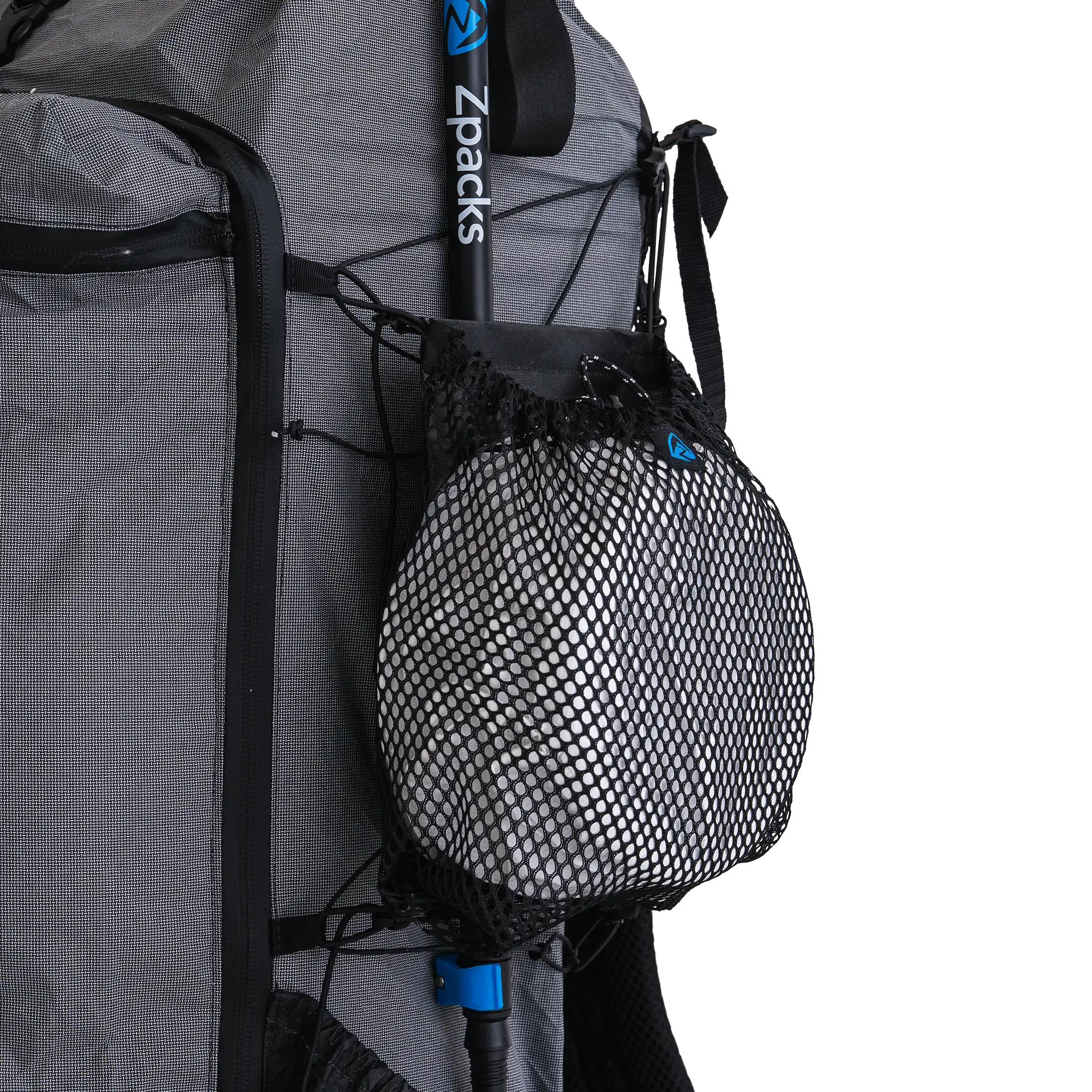
Credit: zpacks.com
Frequently Asked Questions
What Size Pack Is Best For Ultralight Backpacking?
A 40 to 50-liter pack is ideal for most ultralight backpackers. It offers enough space for essentials without excess weight. Smaller packs encourage careful gear selection, improving mobility and comfort on the trail.
How Do I Measure My Pack Size Correctly?
Measure your torso length from the C7 vertebra to the iliac crest. Then measure your hip circumference around the widest part. Use these dimensions to find a pack that fits your body shape and distributes weight evenly.
Can I Use A Smaller Pack For Longer Trips?
Yes, but careful planning is crucial. Ultralight gear and minimalist packing allow smaller packs for extended trips. Focus on multi-use items and ration food to maximize space and minimize weight.
Why Is Pack Size Important In Ultralight Backpacking?
Pack size affects comfort, mobility, and energy expenditure. A smaller, well-fitted pack reduces strain and encourages carrying only essentials. This leads to a more enjoyable and efficient hiking experience.
Conclusion
Choosing the right pack size helps you carry only what you need. A smaller pack means less weight and more comfort on trails. Think about how long your trip will be. Pack smart and keep your gear light. This way, you enjoy every step without feeling tired.
Your ultralight backpack can make your adventure easier and more fun. Remember, less is often more when hiking. Keep it simple, stay prepared, and enjoy the journey ahead.
