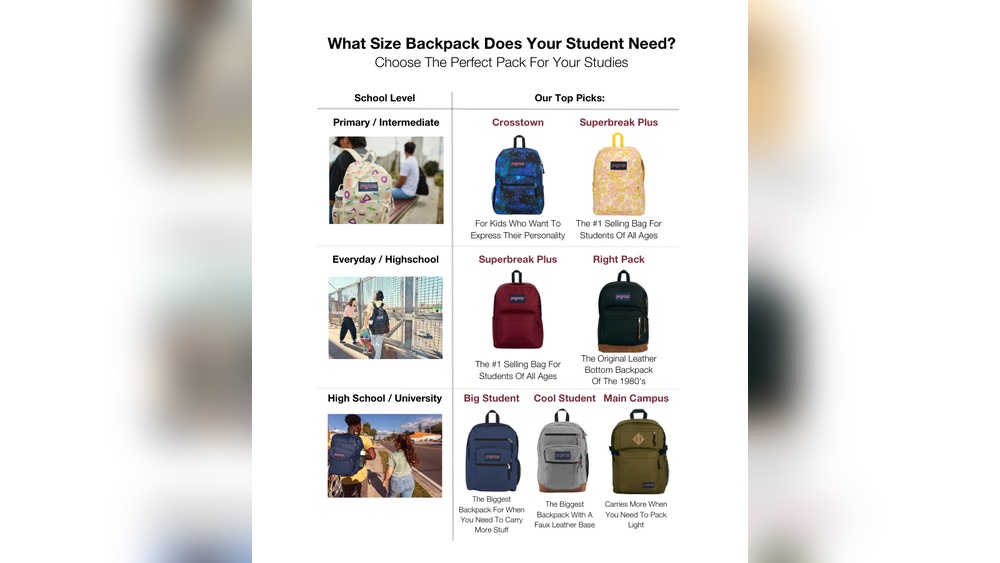
Choosing the right backpack for high school isn’t just about style—it’s about comfort, organization, and making your daily life easier. You might wonder, “How big should my backpack be?” Picking the wrong size can leave you struggling with heavy loads or missing space for your essentials.
You’ll discover exactly what to look for in a backpack that fits your needs perfectly. Keep reading, and you’ll never have to worry about carrying too much or too little again.

Credit: www.youtube.com
Backpack Size Basics
Choosing the right backpack size is key for every high school student. It affects comfort and how much stuff you can carry. Picking a backpack too big or small can cause problems during the day. Understanding the basics of backpack size helps make a smart choice.
This guide covers the main points about backpack size. You will learn about common dimensions, how volume is measured, and the difference between size and capacity. Knowing these facts makes shopping easier and more effective.
Standard Backpack Dimensions
Most high school backpacks have a height between 16 and 20 inches. Width usually ranges from 12 to 14 inches. Depth can be 6 to 10 inches, depending on the style. These sizes fit most school supplies like books and notebooks. A backpack that fits well helps avoid back pain and fatigue.
Volume Measured In Liters
Backpack size is often shown in liters. This number shows the space inside the bag. High school backpacks usually hold 20 to 30 liters. Larger backpacks over 30 liters suit students who carry many items. Smaller backpacks under 20 liters work for light packers. The right volume depends on daily needs.
Size Vs. Capacity
Size means the physical measurements of the backpack. Capacity means how much the backpack can hold. A bigger size does not always mean more capacity. Design and compartments affect how you can organize items. Choose a backpack with enough space and good layout.

Credit: sites.psu.edu
Daily School Needs
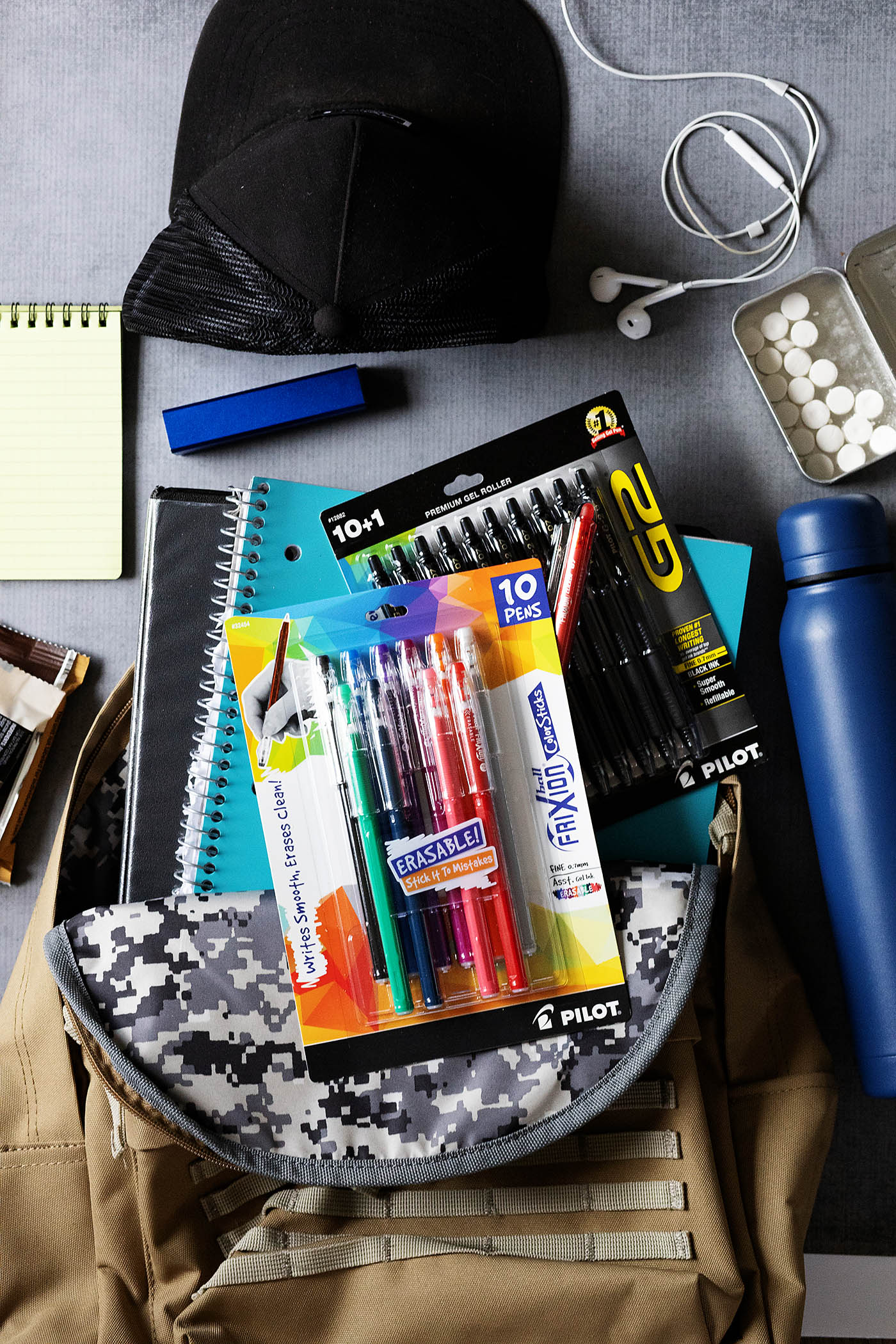
Choosing the right backpack size depends on daily school needs. Students carry many items every day. These items include textbooks, notebooks, lunch, water, and electronics. Each item needs space and easy access. Understanding what fits helps pick the perfect backpack.
A backpack too small causes discomfort and damage. Too big, and it feels heavy and bulky. Balance is key for comfort and function.
Textbooks And Notebooks
Textbooks can be large and heavy. Most high school students carry three to five books daily. Notebooks add extra weight and bulk. Choose a backpack with wide compartments. It helps keep books flat and organized. A backpack with padded dividers protects books and your back.
Lunch And Water Bottle
Lunch boxes take up space and need protection. A separate lunch pocket is helpful. It keeps food away from books. Water bottles need easy access. Side pockets or external holders work best. A backpack with insulated sections keeps food fresh longer.
Electronics And Accessories
Many students carry laptops, tablets, or calculators. These items need padded compartments for safety. Small pockets help organize chargers and headphones. A backpack with secure zippers protects electronics from theft. Look for backpacks with easy-to-reach pockets for quick access.
Choosing The Right Size
Choosing the right backpack size is important for high school students. The size affects comfort and how much stuff fits inside. A backpack that is too big can be heavy and cause pain. One that is too small may not hold all school supplies. Think about daily needs and class materials. This helps pick a backpack that fits well and works best.
Small Backpacks For Light Loads
Small backpacks hold only a few books and supplies. They work well for students with fewer classes or light materials. These bags are easy to carry and cause less strain. Small backpacks often have one main compartment and a few pockets. They fit well for short days or when digital devices replace textbooks.
Medium Backpacks For Average Needs
Medium backpacks suit most high school students. They hold several books, notebooks, and a lunchbox. These bags balance size and weight well. Medium backpacks usually have multiple compartments for better organization. They work for students who carry daily homework and sports gear.
Large Backpacks For Heavy Loads
Large backpacks fit many books and extra items. They are good for students with many classes or bulky materials. These backpacks often have padded straps for comfort. Large bags provide space for laptops, binders, and gym clothes. Choose this size only if you carry a heavy load regularly.
Comfort And Fit
Choosing the right backpack size is not enough. Comfort and fit matter most for daily use. A backpack that fits well prevents pain and injury. It also makes carrying books and supplies easier. Focus on how the backpack feels on your body.
Backpack Weight Distribution
Even weight helps avoid strain on your back. Pack heavier items close to your body. This keeps the load balanced and stable. Uneven weight can cause you to lean forward or sideways. This leads to discomfort and muscle pain.
Strap Adjustments
Straps must fit snugly but not too tight. Adjust shoulder straps so the backpack sits high on your back. Loose straps cause the bag to swing and pull. Use chest or waist straps if available. They help spread the weight evenly.
Ergonomic Features
Look for padded shoulder straps and back panels. Padding cushions your shoulders and back. A breathable material reduces sweat and heat. Some backpacks have curved designs to match your back shape. These features improve comfort during long school days.
Style And Functionality
Choosing the right backpack for high school means balancing style with functionality. A backpack should look good but also meet daily needs. It must carry books, gadgets, and other school essentials comfortably. The size matters, but so do the features that help organize and protect belongings. Understanding what makes a backpack practical and stylish helps in making the best choice.
Compartments And Organization
Good backpacks have many compartments to keep things tidy. Separate pockets for books, pencils, and laptops help find items fast. Organization saves time and keeps the backpack neat. Look for backpacks with zippered pockets and small sections for easy access. This helps prevent damage to fragile items like phones or calculators.
Durability And Material
Backpacks must handle daily wear and tear. Strong materials like nylon or polyester last longer. Water-resistant fabrics protect contents from rain. Well-made zippers and reinforced stitching improve durability. A durable backpack saves money by avoiding replacements. Check the material quality and construction before buying.
Trends And Personal Preferences
Style reflects personality and fits school rules. Some students prefer bright colors or bold patterns. Others choose simple, classic designs. Popular trends include minimalist looks or backpacks with logos. Choose a style that feels comfortable and matches your taste. A backpack should be something you enjoy carrying every day.
Special Considerations
Choosing the right backpack size for high school is not just about books. Special needs affect the size and style. Think about all activities and items your teen carries daily. These needs change the backpack’s ideal size. Consider sports, weather, and school rules. These factors shape the best choice.
Sports And Extracurricular Gear
Many students carry sports gear or extra clothes. A small backpack may not fit balls, shoes, or uniforms. Larger bags or extra compartments help keep things organized. Some backpacks have side pockets for water bottles or snacks. Choose a size that handles all gear without being too heavy.
Seasonal Clothing
Weather changes require different clothing. Winter coats or rain jackets take space. A backpack must hold bulky items without stretching. Layered clothes need room to avoid wrinkles. Pick a backpack with flexible compartments for changing seasons. This keeps students ready for any weather.
Locker Size Restrictions
Lockers often limit backpack size. A bag too large may not fit inside. Check the locker measurements before buying a backpack. Choose a size that slides in and out easily. A compact, well-organized backpack saves time and stress. This helps students manage their items better each day.
Tips For Maintaining Backpack Size
Keeping your backpack the right size helps you carry only what you need. It stops your bag from getting too heavy or too full. Small habits make a big difference in managing your backpack size.
Use these tips to keep your backpack light and easy to carry every day.
Packing Efficiently
Choose only the books and supplies you need for the day. Use smaller containers or pencil cases to save space. Pack heavier items closer to your back for better balance. Avoid carrying things “just in case.”
Regular Cleanouts
Empty your backpack weekly. Throw away trash and old papers. Check for items you no longer need. This keeps your bag light and organized. Cleanouts stop clutter from building up over time.
Adjusting Size As Needed
Use backpacks with adjustable straps and compartments. Switch to a smaller or larger backpack as your needs change. Make sure the bag fits your body well. Adjust size to avoid discomfort and strain.
Credit: allfortheboys.com
Frequently Asked Questions
How Much Space Do High School Backpacks Need?
High school backpacks should have 20 to 30 liters capacity. This size fits books, notebooks, and a laptop comfortably. It balances space and weight, preventing back strain for students carrying daily essentials.
What Size Backpack Fits Textbooks And Supplies?
A backpack with 25 to 30 liters capacity fits textbooks and supplies well. This size offers enough room for binders, notebooks, and lunch without being bulky or heavy.
How To Choose Backpack Size For High School?
Choose a backpack size based on daily items and comfort. Measure your books and laptop, then pick a backpack slightly larger. Ensure adjustable straps for proper weight distribution and back support.
Are Bigger Backpacks Better For High School?
Bigger backpacks aren’t always better; they can cause strain. Choose a backpack that fits your essentials snugly. Overloading leads to discomfort and posture issues, so prioritize the right size over extra space.
Conclusion
Choosing the right backpack size helps carry all school essentials comfortably. A medium-sized bag usually fits books, lunch, and supplies well. Avoid bags that are too big or too small for your needs. Comfort matters, so pick one with padded straps.
Remember, a good backpack supports your back and keeps you organized. This simple choice makes school days easier and more enjoyable. Take time to find the best fit for your daily routine. You’ll feel ready and prepared every school morning.