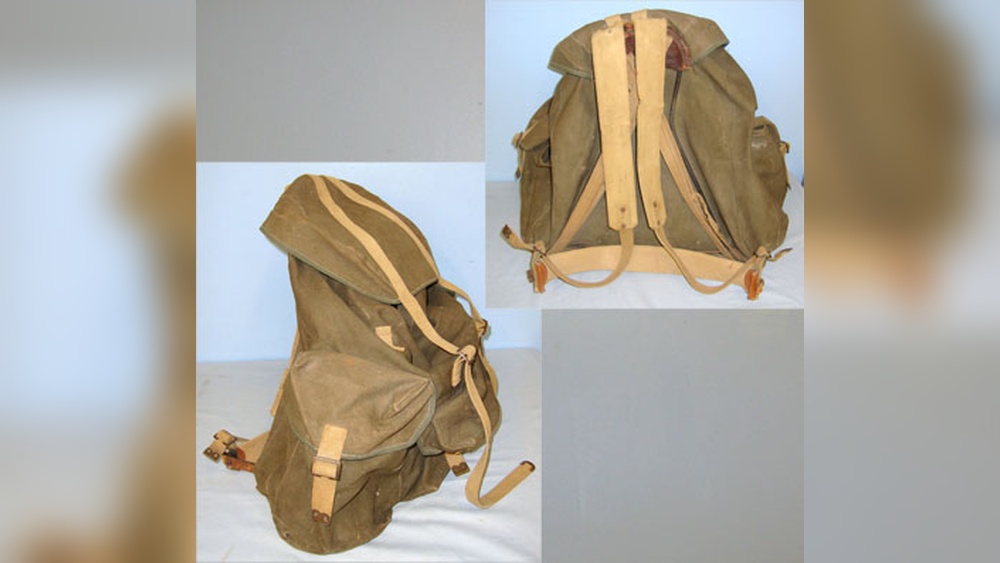
Packing your backpack for elk hunting can make or break your trip. If you pack too much, you’ll carry unnecessary weight that slows you down.
Pack too little, and you might miss essential gear when it matters most. You want a pack that keeps you ready, comfortable, and efficient on the trail. In this guide, you’ll discover simple, practical tips to organize your gear smartly.
By the end, you’ll know exactly what to bring and how to pack it so you can focus on the hunt, not your pack. Let’s get started and make sure your next elk hunt is your best one yet.
Choosing The Right Backpack
Choosing the right backpack is key to a successful elk hunting trip. Your pack carries all your gear and supplies. It must be comfortable and strong. The right backpack helps you move easily through tough terrain. It keeps your equipment safe and organized. Consider size, weight, and special features when selecting a pack. These factors affect your comfort and efficiency in the field.
Size And Capacity
Pick a backpack size that fits your trip length. Short hunts need smaller packs with less space. Longer trips require larger packs to hold more gear. Think about what you must carry. Include clothes, food, water, and hunting tools. A pack with 3,000 to 5,000 cubic inches usually works well. It offers enough room without being too bulky. Avoid oversized packs that slow you down.
Weight And Durability
A lightweight pack reduces strain on your back and shoulders. Choose materials like nylon or polyester for strength and lightness. Check for reinforced seams and tough zippers. Durability matters in rough outdoor conditions. Your backpack should resist tears, water, and abrasion. A strong frame helps spread weight evenly. This support lowers fatigue during long hikes.
Special Features
Look for pockets and compartments for easy gear access. Hydration bladder sleeves keep water handy. Compression straps stabilize the load and keep gear tight. Some packs have built-in rain covers for wet weather. Adjustable shoulder straps and padded hip belts improve comfort. Tool loops and rifle holders are useful for hunters. These features make packing and hunting smoother.
Essential Elk Hunting Gear
Packing the right gear is key for elk hunting success. The right items keep you safe, comfortable, and ready. Choose gear that fits the environment and your hunting style. Pack only what you need to stay light and efficient.
Essentials include clothing for weather, tools for navigation, and hunting equipment. Each category plays a vital role in your hunt. This guide breaks down what to bring in each group.
Clothing And Footwear
Wear layered clothing to stay warm and dry. Start with a moisture-wicking base layer. Add insulating layers for cold mornings. Finish with a waterproof jacket for rain and wind. Choose quiet fabrics to avoid alerting elk. Sturdy, waterproof boots provide comfort on rough terrain. Bring extra socks to keep feet dry and blister-free.
Navigation Tools
Carry a reliable map and compass. Learn how to use them before the trip. A GPS device adds extra safety and accuracy. Pack extra batteries or a power bank. Mark key locations like campsites and hunting spots. Keep your navigation tools easily accessible at all times.
Hunting Equipment
Bring a quality rifle or bow suited for elk hunting. Pack extra ammunition or arrows. Use a comfortable, strong backpack to carry gear. Include a sharp hunting knife for field dressing. Carry binoculars for spotting elk from a distance. Don’t forget scent control products to stay undetected.
Packing Strategies
Packing for elk hunting needs smart planning. The right packing strategy makes your trip easier and safer. You carry your gear for hours. Your backpack should feel balanced and comfortable. A well-packed bag helps you move quietly and fast. It also keeps your important items safe and easy to reach.
Focus on weight, gear order, and quick access. These parts improve your hunting experience. Here are key tips to pack your backpack the right way.
Weight Distribution
Place heavy items close to your back. This keeps your center of gravity stable. Put medium-weight gear in the middle. Light items go at the top and sides. Keep the pack tight to avoid shifting. A balanced load reduces strain on your body. It helps you walk longer without pain.
Organizing Gear
Group similar items together. Use packing cubes or bags to separate clothes, food, and tools. Put bulky gear at the bottom. Keep fragile things in the middle with padding. Store spare clothes near the top. This method saves space and protects your gear. It also makes unpacking faster at camp.
Accessibility Tips
Keep essentials where you can reach them fast. Place your map, compass, and snacks in outer pockets. Pack your first aid kit near the top. Make sure your knife or multi-tool is easy to grab. Avoid overpacking pockets to keep things organized. Quick access to key gear can save time and stress.
Food And Hydration
Packing food and water for elk hunting is very important. You need enough energy to stay strong. You also need to keep your body hydrated in the wild. Plan your meals and snacks carefully. Choose the right water containers. This helps you carry what you need without extra weight.
Meal Planning
Plan meals that are easy to eat and carry. Choose lightweight foods with high calories. Freeze-dried meals are a good choice. They weigh less and last long. Pack meals that don’t need cooking. This saves time and fuel. Carry enough food for all days of hunting. Eating well keeps your energy steady.
Water Storage Solutions
Carry enough water to stay hydrated all day. Use durable water bottles or hydration bladders. Hydration bladders fit inside your backpack and are easy to drink from. Bring a small water filter or purification tablets. This lets you refill from streams safely. Keep water containers easy to reach. Drink water regularly to avoid dehydration.
Energy Snacks
Carry snacks that give quick energy. Nuts, trail mix, and energy bars work well. Choose snacks with protein and carbs. Dried fruit and jerky are good options. Pack small, easy-to-eat snacks for quick breaks. Eating little snacks often keeps your energy high. Avoid heavy or sugary snacks that cause crashes.
Safety And Emergency Gear
Packing safety and emergency gear is vital for elk hunting trips. Nature can be unpredictable. You must be ready for injuries, bad weather, or losing signal. Carrying the right gear can protect you and help you get help fast. Focus on three main items: first aid kit, communication devices, and weather protection. These keep you safe and improve your chances of a successful hunt.
First Aid Kit
A first aid kit is a must-have. It treats cuts, scrapes, and other minor injuries. Include bandages, antiseptic wipes, tweezers, and pain relievers. Add items for blisters and snake bites. Pack your kit in a waterproof case. Check your supplies before every trip. Replace used or expired items quickly.
Communication Devices
Communication devices keep you connected with others. Bring a fully charged cell phone and a backup battery. Consider a satellite messenger or GPS device. These work where cell signals fail. Practice using your devices before the trip. Always tell someone your hunting plan and expected return time.
Weather Protection
Weather can change fast in the wild. Carry a rain jacket and warm layers. Use waterproof bags to protect clothes and gear. Pack a compact emergency blanket for cold nights. Good weather protection prevents hypothermia and keeps you comfortable. Check the forecast and pack accordingly.
Packing For Different Hunt Durations
Packing your backpack depends on how long you will be hunting. Different trips need different gear. The length of your hunt changes what you must carry. Packing smart keeps you safe and comfortable. It helps you move easily through the wild. Below are tips for various hunt lengths.
Day Hunts
For day hunts, pack light and quick. Bring water, snacks, and a small first aid kit. Carry a map, compass, and extra clothes. Keep your gear simple to avoid heavy loads. You need only essentials for a few hours outside. A light pack helps you stay fast and alert.
Overnight Trips
Overnight trips need more gear than day hunts. Pack a small tent or shelter, a sleeping bag, and warm clothes. Add cooking tools and enough food for two days. Don’t forget extra batteries and a headlamp. Balance your pack weight to avoid fatigue. Comfort and safety matter more on overnight hunts.
Extended Expeditions
Extended expeditions require careful planning and more supplies. Carry enough food for several days and a reliable stove. Bring layers of clothing for changing weather. Include navigation tools, a detailed map, and emergency gear. Water purification methods are a must. Prepare for all conditions and stay ready for surprises.
Tips For Backpack Maintenance
Maintaining your backpack is key for a successful elk hunting trip. A well-kept pack lasts longer and works better. Small tasks keep your gear ready and reliable. Follow simple steps to care for your backpack. This saves money and prevents troubles in the wild.
Cleaning And Care
Brush off dirt and mud after each use. Use mild soap and warm water for stains. Avoid harsh detergents that harm fabric or waterproof coatings. Let your backpack air dry completely before storing. Never use a dryer or direct heat. Clean zippers and buckles gently to keep them smooth.
Repair Essentials
Carry a small repair kit on every trip. Include needle, thread, duct tape, and extra buckles. Fix small tears and holes quickly to stop them growing. Check straps and seams often for wear. Replace broken parts before your next hunt. Simple repairs prevent big problems later.
Storage Advice
Store your backpack in a cool, dry place. Avoid damp areas that cause mold or mildew. Keep it away from direct sunlight to prevent fading. Empty your pack completely before storage. Stuff it lightly with paper to keep shape. Proper storage keeps your backpack ready for the next adventure.
Frequently Asked Questions
What Essential Gear Should I Pack For Elk Hunting?
Pack layers for changing weather, a hunting knife, first aid kit, water, food, and elk calls. Include a reliable GPS and extra batteries to navigate safely.
How Do I Organize A Backpack For Elk Hunting?
Place heavy items close to your back for balance. Use compartments for easy access to gear. Keep frequently used items like maps and snacks on top.
What Clothing Is Best For Elk Hunting Trips?
Wear moisture-wicking base layers, insulating mid-layers, and waterproof outer layers. Choose camouflage patterns that blend with the terrain. Don’t forget sturdy boots and warm socks.
How Much Food And Water Should I Pack For Elk Hunting?
Carry at least two liters of water and high-energy, lightweight snacks. Plan meals based on trip length and exertion level to maintain energy.
Conclusion
Packing your backpack well makes elk hunting easier and more fun. Choose only what you truly need. Keep heavy items close to your back for balance. Use compartments to stay organized and find things fast. Always pack for weather changes and safety.
Prepare smart, travel light, and stay ready. This helps you focus on the hunt and enjoy the outdoors. Good packing means a better, safer elk hunting trip every time.