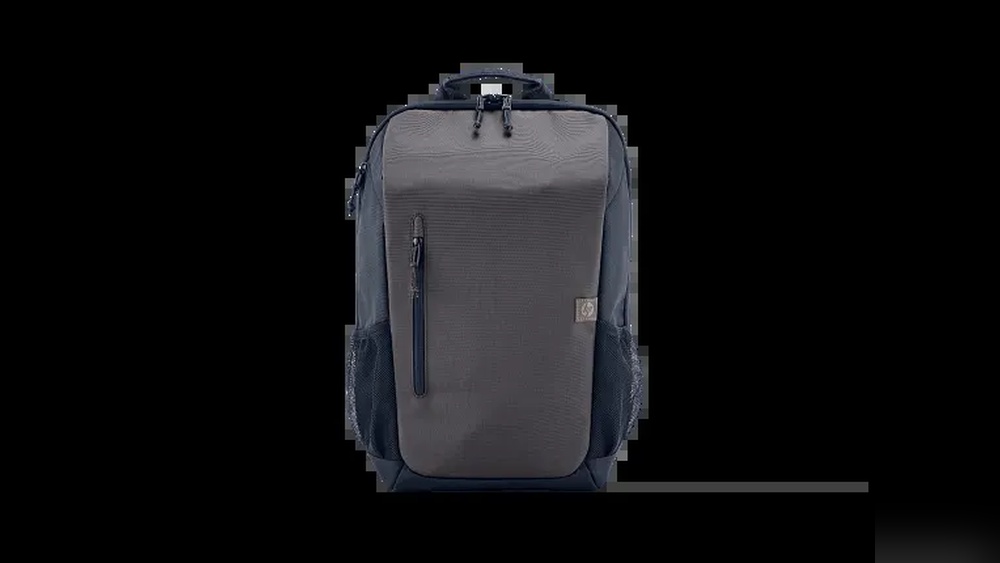
Imagine having a backpack that does more than just carry your things. What if it could charge your phone, keep your gadgets safe, or even help you stay organized effortlessly?
You’re about to discover how to make a smart backpack that fits your lifestyle perfectly. This guide will show you simple steps to create a backpack that works as hard as you do. Ready to transform your everyday carry into something extraordinary?
Keep reading, and let’s get started!
Choosing The Right Backpack
Choosing the right backpack is the first step in making a smart backpack. The base must suit your needs and hold the smart features well. A good backpack lasts long and keeps your gadgets safe. It also fits your body for easy carrying.
Material And Durability
Pick a backpack made from strong material. Nylon and polyester are good choices. These materials resist water and tears. Check the stitching and zippers for quality. Durable backpacks protect your smart devices better.
Size And Compartments
Select a size that fits your daily items. Too big can be heavy. Too small may not hold all gadgets. Look for many compartments. Separate pockets keep your tech organized and safe.
Comfort And Fit
Choose a backpack with padded straps. It reduces strain on your shoulders. Adjustable straps help fit your body well. A padded back panel adds comfort. Comfort makes carrying your smart backpack easier.
Essential Tech Components
Creating a smart backpack means adding useful technology parts. These parts help you carry gadgets and stay connected. They also make your backpack more practical and safe. Knowing the essential tech components is the first step to build your smart backpack.
Power Banks And Charging Ports
Power banks keep your devices charged on the go. Choose a power bank with enough capacity for your needs. Look for one with multiple USB ports to charge many devices. Integrate a charging port on the backpack’s outside for easy access. This allows you to charge your phone without opening the bag.
Led Lighting Systems
LED lights add safety and style to your backpack. Use small LED strips or panels for visibility at night. Place lights on the back and sides to be seen by drivers. Choose lights with different modes, like blinking or steady. Power them with the backpack’s power bank for convenience.
Bluetooth Trackers
Bluetooth trackers help you find your backpack quickly. Attach a small tracker inside the bag or in a pocket. Use your phone to locate the backpack if it gets lost. Some trackers alert you if you leave the bag behind. This feature adds peace of mind during travel or daily use.
Integrating Electronics Safely
Adding electronics to a backpack needs care and attention. Safety is the top priority. Protecting devices from damage and avoiding accidents is essential. This section guides you on keeping electronics safe inside your smart backpack.
Waterproofing And Insulation
Electronics must stay dry to work well. Use waterproof fabrics or covers to protect them. Seal all openings with water-resistant tape or zippers. Inside, add foam or soft padding around devices. This insulation stops shocks and keeps parts safe.
Cable Management Tips
Messy cables cause damage and frustration. Use cable clips or small loops to keep wires tidy. Label each cable to know its purpose fast. Avoid sharp bends and tight knots that break wires. Plan cable routes to prevent tangling during use.
Battery Safety Measures
Choose high-quality batteries for better safety. Place batteries in separate, padded compartments. Avoid putting batteries near metal objects to stop short circuits. Check batteries regularly for leaks or swelling. Remove batteries if the backpack stays unused for long.
Adding Smart Features
Adding smart features to a backpack makes it more useful and modern. These features help with power, security, and tracking. They turn a regular backpack into a tech-friendly companion. Here are some smart features to consider.
Solar Panels For Power
Solar panels charge devices while you are on the move. They convert sunlight into electricity. This lets you power your phone or tablet anywhere. Choose lightweight, flexible panels for easy attachment. Place them on the backpack’s outer surface for best sunlight exposure. Solar power helps when you have no access to outlets.
Gps Tracking Integration
GPS trackers keep your backpack safe from loss or theft. They send location data to your phone. This helps you find your bag quickly. Small GPS units fit inside backpack compartments. Use apps that show real-time tracking on a map. GPS adds peace of mind during travel or daily use.
Smart Locks And Security
Smart locks protect your backpack’s contents without keys. They use codes or smartphone apps for access. This reduces the chance of losing keys or combinations. Some locks alert you if someone tries to open the bag. Choose durable locks that resist tampering. Smart security keeps your belongings safe and secure.
Customizing With Apps And Software
Customizing your smart backpack with apps and software makes it more useful and personal. These tools let you control features and monitor the backpack’s status easily. Apps help you connect your backpack to your phone or computer. Software updates keep the backpack running smoothly and add new functions.
Companion Apps For Monitoring
Companion apps show real-time data from your smart backpack. Check battery levels, location, and temperature at a glance. Some apps send alerts if the backpack moves away from you. You can track how much weight you carry every day. These apps give you control without opening the backpack.
Firmware Updates And Maintenance
Firmware updates fix bugs and improve smart backpack features. They add new tools and enhance security. Updating is simple through the companion app or USB connection. Regular updates keep your backpack working well and safe. Maintenance reminders in the app help you care for your device.
User Interface Design
The user interface (UI) should be clear and easy to use. Simple menus and big buttons improve interaction. Icons help you find features quickly without reading long texts. A good UI reduces confusion and saves time. It makes your smart backpack feel friendly and accessible.
Testing And Troubleshooting
Testing and troubleshooting are key steps in making a smart backpack work well. You must check every function to ensure the backpack performs as expected. Small problems can stop the backpack from working properly. Fixing these early saves time and effort later. This section guides you on how to test and solve common issues.
Functionality Checks
Start by testing all electronic parts. Check the USB charging port by plugging in a device. The device should start charging immediately. Test the LED lights by turning them on and off. Sensors must respond correctly to movement or touch. Make sure the battery charges and holds power. Confirm all buttons and switches work smoothly.
Common Issues And Fixes
Some problems happen often. A USB port might not charge because of a loose connection. Tighten wires or resolder joints if needed. LED lights may flicker due to low battery power. Charge the battery fully before testing again. Sensors might not detect properly if dirt blocks them. Clean sensors gently with a soft cloth. Buttons may stick if dust collects inside. Open the casing and clean carefully.
Performance Optimization
Improve your backpack’s performance by updating its firmware. Firmware updates fix bugs and add stability. Use the manufacturer’s software for easy updates. Keep wires neat and secure to avoid interference. Use quality batteries for longer life and better power. Test the backpack in different conditions like rain or cold. Adjust settings to keep it working well everywhere.
Style And Personalization
Style and personalization make your smart backpack truly yours. This section helps you create a bag that fits your taste and daily needs. A backpack should not only work well but also look good and feel personal.
Color And Aesthetic Choices
Choose colors that match your personality and wardrobe. Bright colors make your bag stand out in a crowd. Dark colors hide dirt and look professional. Patterns and textures add depth and interest. Select materials that feel comfortable and last long.
Adding Patches And Accessories
Patches give your backpack a unique touch. Sew or stick on patches that reflect your hobbies or ideas. Use pins and keychains to add flair and fun. Small accessories like straps or clips can improve function and style. Change them often to keep your bag fresh.
Modular Components
Modular parts let you customize your backpack easily. Add or remove compartments based on your needs. Use detachable pockets for gadgets or snacks. Modular designs make it simple to clean and update your bag. This flexibility keeps your backpack useful and stylish.
Budgeting Your Smart Backpack
Budgeting your smart backpack is an important step. It helps you control costs and get the best value. Planning your expenses avoids surprises and keeps the project fun. Knowing where to spend and where to save makes building easier.
Cost Of Materials
The price of materials varies a lot. Electronics like batteries and sensors can cost more than fabric. Basic materials such as wires and connectors are usually cheap. Quality fabric and zippers can raise the price. Make a list of needed items and check prices online.
Diy Vs Pre-made Components
Making parts yourself can save money. Simple circuits and holders are good for DIY. Complex parts like charging ports are better bought ready. Pre-made components often work better and last longer. Balance your skills and budget before choosing.
Where To Save And Where To Splurge
Save on decorative items and simple tools. Use recycled fabric or old backpacks for parts. Spend more on key electronics like power banks and sensors. Good quality parts improve the backpack’s function. Prioritize spending on things that affect safety and durability.
Future Trends In Smart Backpacks
Smart backpacks are evolving fast. New designs and features are shaping their future. These trends focus on better technology, eco-friendly materials, and open collaboration. Understanding these changes helps you stay ahead.
Let’s explore key trends shaping smart backpacks in the coming years.
Emerging Technologies
Smart backpacks will use advanced sensors to track health and location. Wireless charging pads inside backpacks will keep devices powered. Some backpacks may include solar panels to recharge on the go. Voice control features could allow hands-free use. Lightweight, durable materials will improve comfort and strength.
Sustainability And Eco-friendly Options
Backpack makers focus more on the environment. Recycled and biodegradable materials will become common. Energy-efficient components will reduce battery use and waste. Brands may offer repair services to extend backpack life. Sustainable choices attract buyers who care about the planet.
Community And Open-source Projects
Open-source designs let users customize backpacks. Communities share ideas to improve smart features. DIY kits help people build or upgrade backpacks easily. Collaboration boosts innovation and lowers costs. This trend creates backpacks that suit many needs and styles.
Frequently Asked Questions
What Materials Are Best For Making A Smart Backpack?
Durable, water-resistant fabrics like nylon or polyester work best. These materials protect electronics and ensure longevity. Choose lightweight yet sturdy options for comfort and reliability in your smart backpack.
How To Add Charging Ports To A Smart Backpack?
Install a USB charging hub inside the backpack. Connect it to a power bank for on-the-go device charging. Secure wiring and waterproof compartments enhance safety and usability.
What Smart Features Can Be Included In A Backpack?
Common features include GPS tracking, solar panels, USB ports, and anti-theft locks. These add convenience, security, and energy efficiency to your smart backpack. Tailor features based on your daily tech needs.
How To Keep Electronics Safe Inside A Smart Backpack?
Use padded compartments and waterproof linings to protect devices. Anti-theft zippers and RFID-blocking pockets add extra security. Organizing pockets prevent damage from jostling during travel.
Conclusion
Creating a smart backpack is easier than it seems. Start with basic tools and parts. Add useful features step by step. Test each function to ensure it works well. This project saves money and lets you customize. You will enjoy carrying a backpack made by you.
Try different ideas to make it unique. Keep improving your design over time. A smart backpack fits your daily needs perfectly. Give it a shot and see the results.