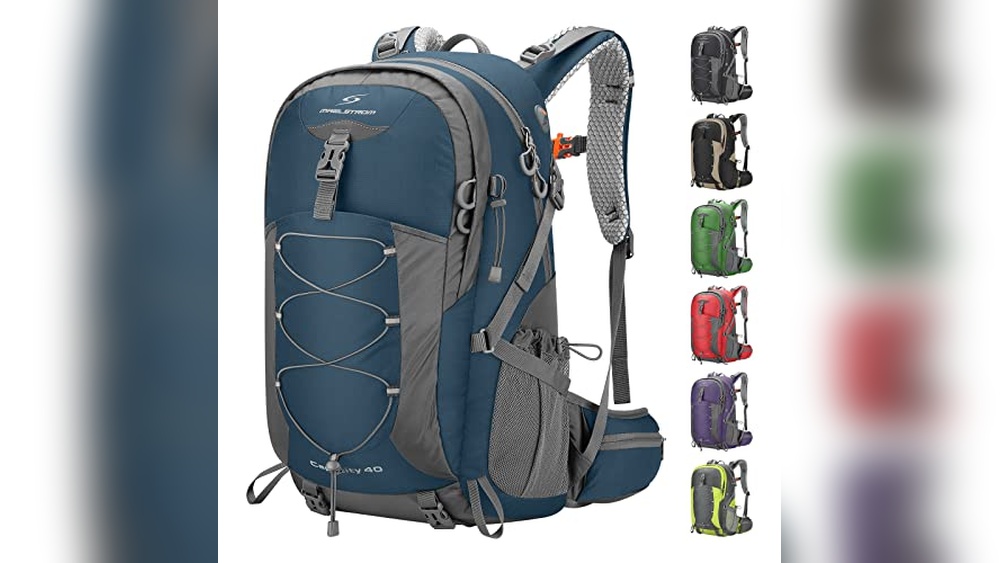
Putting on a backpacking backpack might seem simple, but doing it the right way can make all the difference on your trip. If you’ve ever felt sore shoulders or struggled with a heavy load, this guide is for you.
You’ll learn how to wear your backpack so it feels lighter and keeps you comfortable for miles. Keep reading to discover easy steps that will change how you carry your gear—and make every hike more enjoyable.
Choosing The Right Backpack
Choosing the right backpack is key for a comfortable hike. It affects your balance and energy. A good backpack fits your body and holds your gear well. This section guides you on what to consider before buying.
Size And Fit
Pick a backpack size that matches your trip length. Small packs suit day hikes. Larger packs fit longer trips with more gear. Measure your torso length for a better fit. The pack should sit snugly on your back. Adjust the straps to avoid movement. A well-fitted backpack reduces strain and pain.
Weight Distribution
Good weight distribution keeps you balanced and steady. Pack heavy items close to your back. Use hip belts to carry most weight on hips. Shoulder straps help hold the pack in place. Avoid putting too much weight on shoulders. Even weight spread helps prevent tiredness and injury.
Preparing Your Backpack
Preparing your backpack is the first step to a comfortable hike. A well-prepared backpack helps you carry your gear safely and makes walking easier. Take time to adjust the backpack before putting it on. Organize your items inside so they are easy to reach. This will help balance the weight and keep you steady on your feet.
Start by checking all straps and compartments. Make sure everything is ready for your trip. A good setup can prevent pain and fatigue on the trail.
Adjusting Straps
Begin by loosening all straps. This includes shoulder, chest, and waist straps. Put the backpack on and tighten the waist strap first. It should sit snugly on your hips. Next, pull the shoulder straps until the pack feels secure. The chest strap helps keep the shoulder straps in place. Adjust it to a comfortable height. Proper strap adjustment spreads the weight evenly. It reduces pressure on your shoulders and back.
Packing Essentials
Place heavy items close to your back. This keeps the center of gravity near your body. Pack lighter items toward the outside and top. Use side pockets for water bottles and snacks. Keep frequently used items easy to reach. Organize gear so it stays stable during your walk. Avoid overpacking to prevent strain and discomfort. A balanced backpack makes your hike safer and more fun.
Step-by-step Wearing Guide
Putting on a backpacking backpack the right way makes your hike easier and more comfortable. Follow each step carefully. This guide helps you wear your backpack with the best fit and support.
Loosening The Straps
Start by loosening all straps. This includes shoulder straps, hip belt, and load lifters. Loose straps give you space to adjust the pack easily. It prevents tight spots that can cause discomfort later.
Positioning The Backpack
Lift the backpack and place it on your back. Keep the hip belt above your hips. The pack should sit close to your body. This helps balance the weight evenly across your back and hips.
Securing The Hip Belt
Buckle the hip belt snugly around your hips. It should feel firm but not tight. The hip belt carries most of the pack’s weight. Tightening it correctly reduces strain on your shoulders.
Tightening Shoulder Straps
Pull down on the shoulder straps to tighten them. They should hold the pack close to your shoulders. Avoid making them too tight. Loose straps cause the pack to sway and hurt your back.
Adjusting Load Lifters
Load lifters are small straps near your shoulders. Pull them gently to bring the top of the pack closer. This adjustment keeps the pack stable and improves comfort. Check that the straps are even on both sides.
Tips For Comfort And Safety
Wearing a backpacking backpack correctly is key for comfort and safety. A well-fitted pack reduces strain and prevents injuries. Follow these tips to keep your hike enjoyable and safe.
Balancing The Load
Place heavy items close to your back. This keeps your center of gravity stable. Distribute weight evenly on both sides. Avoid packing too much in one area. Balance helps reduce muscle fatigue and improves walking ease.
Taking Breaks
Stop and rest often. Short breaks ease muscle tension. Remove your pack during breaks to let your body relax. Drink water and stretch your shoulders and back. Regular rests keep energy high and avoid exhaustion.
Maintaining Proper Posture
Stand tall with shoulders back. Keep your head up and look ahead. Avoid leaning forward or slouching. Adjust shoulder straps and hip belt for a snug fit. Good posture lowers back pain and improves breathing.
Frequently Asked Questions
How Do I Properly Adjust Backpack Straps?
Start by loosening all straps. Put the backpack on and tighten the shoulder straps. Adjust hip belt snugly around hips. Finally, tighten load lifters to balance weight. Proper adjustment ensures comfort and reduces strain during backpacking.
What Is The Right Way To Wear A Backpack?
Place the backpack on your back with hip belt over your hips. Tighten shoulder straps comfortably. Ensure even weight distribution by adjusting all straps. This method improves balance and prevents back pain on trails.
How Do I Secure A Heavy Backpack Safely?
Use the hip belt to transfer weight to hips. Tighten shoulder straps to keep the pack close to your body. Adjust load lifters to stabilize the load. Securing the pack properly reduces fatigue and risk of injury.
When Should I Tighten The Backpack’s Chest Strap?
Tighten the chest strap after adjusting shoulder straps. It helps stabilize the load and prevents shoulder straps from slipping. Keep it snug but not restrictive for better balance and comfort while hiking.
Conclusion
Putting on a backpacking backpack is simple with the right steps. Start by loosening all straps for easy wearing. Lift the pack onto your shoulders carefully. Tighten the shoulder straps, then secure the waist belt firmly. Adjust the load lifters to balance the weight.
Check comfort and make small changes as needed. Practice this a few times before your trip. This helps you carry your gear safely and comfortably. Enjoy your backpacking adventure with less strain and more fun.