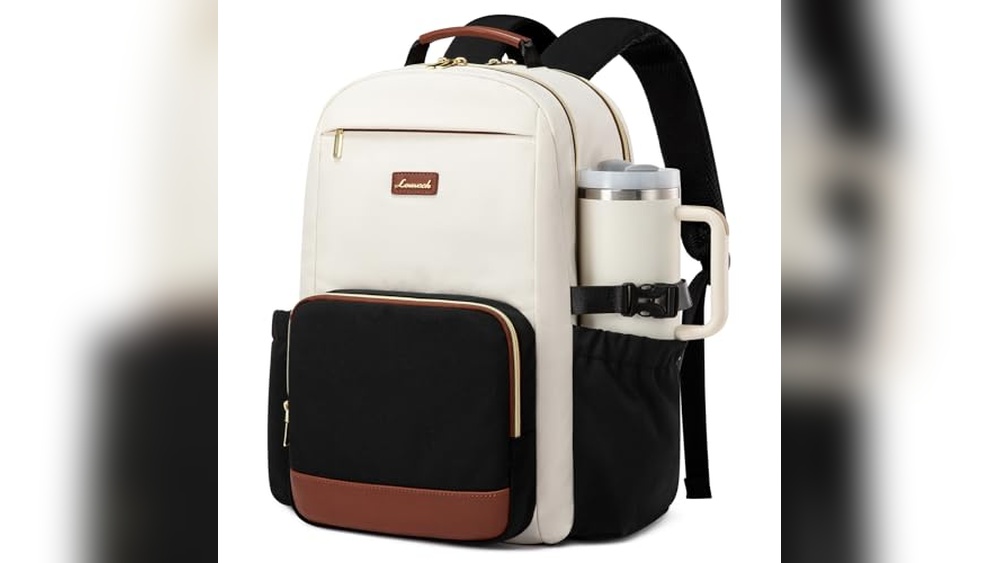
Are you struggling to keep your large backpack organized and easy to carry in the DMZ? Managing a big backpack can feel overwhelming, especially when you need quick access to important items.
But what if you could master simple tricks to keep your gear secure, balanced, and ready for anything? You’ll discover practical tips that make handling a large backpack in the DMZ easier than ever. Keep reading, and you’ll learn how to stay comfortable and prepared every step of the way.
Choosing The Right Backpack
Choosing the right backpack matters a lot for keeping a large backpack organized and safe. The right backpack fits your needs and makes travel easier. It should hold all your items without being too heavy or bulky. Comfort and strength are also important to avoid pain and damage.
Size And Capacity
Pick a backpack size that fits your trip length and gear. Too small means not enough space. Too big makes carrying hard. Check the liters or cubic inches to know the capacity. A good size holds everything without extra weight.
Durability And Material
Strong material protects your items and lasts long. Look for backpacks made from nylon or polyester. These fabrics resist tears and water well. Reinforced seams and sturdy zippers add extra toughness. A durable backpack saves money and trouble.
Comfort And Support
Comfort prevents back pain and tiredness. Choose a backpack with padded straps and back panel. Adjustable straps help fit the bag to your body. A waist belt spreads the weight evenly. Good airflow in the back area keeps you cool.
Packing Smartly
Packing smartly is key to managing a large backpack in the DMZ. It saves space and makes your load easier to carry. You can avoid discomfort and keep your gear safe.
Organizing your items well helps you find things quickly. Distributing weight properly keeps your balance steady. Using packing cubes keeps everything tidy and compact.
Organizing Essentials
Sort your items by use and size. Keep daily essentials like water and snacks at the top. Place bulky items at the bottom to avoid crushing smaller gear. Use side pockets for quick access to maps or sunscreen.
Weight Distribution
Put heavy items close to your back for better balance. Keep medium weight items around the middle. Light items go on top or in outer pockets. This helps you walk longer without strain.
Using Packing Cubes
Packing cubes divide your backpack into sections. They keep clothes and tools separated and neat. Cubes save time when unpacking or repacking. Choose different sizes for better organization.
Securing Your Backpack
Keeping a large backpack safe is very important. You carry many items inside. Protecting them helps avoid stress and loss. Secure your backpack well to stop theft and damage.
Locking Mechanisms
Use locks to keep zippers closed tightly. Small padlocks or combination locks work well. These locks make it hard for thieves to open your bag. Choose locks that are easy to carry and use.
Anti-theft Features
Look for backpacks with hidden pockets and cut-proof straps. Some have locking zippers that stay shut. Slash-resistant materials stop thieves from cutting your bag. These features add layers of security to your backpack.
Waterproof Protection
Water can damage your belongings inside the backpack. Use backpacks made from waterproof materials. Rain covers also help keep your bag dry. Waterproofing protects your items from rain and spills.
Navigating The Dmz
Traveling near the Demilitarized Zone (DMZ) requires careful planning and awareness. The DMZ is a sensitive area between North and South Korea. Visitors must follow strict rules to stay safe and respect local laws.
This section guides you on how to navigate the DMZ with a large backpack. It covers important travel restrictions, necessary permits, and tips for staying alert.
Understanding Travel Restrictions
The DMZ is a highly controlled zone. Visitors cannot roam freely. Only certain areas are open to tourists. Some regions remain off-limits at all times. Military presence is strong and rules are strict.
Travelers must follow guidelines set by authorities. Restricted items include weapons, drones, and large electronics. Carrying a big backpack may raise questions. Pack only what is essential.
Permits And Documentation
Access to the DMZ requires official permits. Tourists usually join guided tours with permits included. Personal travel without permission is not allowed. Always carry identification and travel documents.
Apply for permits well before your visit. Check the latest rules from official sources. Keep copies of your documents in your backpack for easy access. This helps avoid delays or denial of entry.
Staying Alert And Aware
Remain vigilant while in the DMZ area. Follow instructions from guides and military personnel. Avoid sudden movements or loud noises. Stay within designated paths and zones.
Watch your belongings carefully. Large backpacks can slow you down or get caught on barriers. Keep your bag secure and close to your body. Be ready for security checks at any time.
Maintaining Backpack Safety
Keeping your large backpack safe helps it last longer and protects your belongings. A well-maintained backpack stays strong and functional through many trips. Simple care routines prevent damage and keep it looking good.
Regular Inspections
Check your backpack often for small issues. Look for broken zippers, loose threads, or holes. Catching problems early stops them from getting worse. Inspect straps and buckles to ensure they work well. Fixing small faults saves money and hassle later.
Handling Wear And Tear
Use your backpack carefully to reduce wear and tear. Avoid overloading it beyond the recommended weight. Carry it by the straps, not by the fabric. Store your backpack in a dry, cool place after use. Protect it from sharp objects that can cause tears.
Cleaning Tips
Clean your backpack regularly to remove dirt and grime. Use a soft brush or cloth for outside dirt. Wash with mild soap and warm water only when needed. Avoid harsh chemicals that weaken fabric and zippers. Let it air dry completely before storing or using again.
Travel Tips For Peace Of Mind
Traveling with a large backpack can feel risky. You worry about losing important items or your bag being stolen. Peace of mind comes from smart habits and simple tools. These tips help you protect your valuables and stay calm during your trip.
Keeping Valuables Close
Always keep your valuables near your body. Use a small pouch or money belt under your clothes. Avoid putting important items in outer backpack pockets. Check your bag often, especially in crowded places. This lowers the chance of theft or loss.
Using Technology For Tracking
Attach a GPS tracker to your backpack. This helps you find it if lost or stolen. Some apps send alerts when your bag moves far away. Use strong passwords for any tracking devices. Keep your phone charged to stay connected.
Emergency Preparedness
Carry copies of important documents separately from the originals. Store emergency contacts in your phone and on paper. Learn basic first aid and carry a small kit. Know local emergency numbers. These steps help you respond fast if trouble arises.
Frequently Asked Questions
How Can I Organize A Large Backpack Effectively?
Start by categorizing items by use and weight. Use packing cubes to separate gear. Keep heavy items close to your back for balance. Utilize external pockets for quick access. Regularly review contents to avoid overpacking and maintain ease of carrying.
What Are Tips For Securing A Large Backpack In Dmz?
Use lockable zippers and hidden compartments for valuables. Keep your backpack within sight at all times. Avoid leaving it unattended in public areas. Use sturdy straps and reinforced materials to prevent tampering. Always comply with local security regulations in the DMZ.
How To Reduce Strain When Carrying A Large Backpack?
Adjust shoulder straps snugly to distribute weight evenly. Use hip belts to transfer load to hips. Pack heavier items closer to your back. Take regular breaks to relieve pressure. Maintain good posture to avoid back pain during long walks.
What Essentials Should I Pack For A Dmz Trip?
Include water, snacks, first aid kit, and weather-appropriate clothing. Carry identification and necessary permits. Pack a flashlight and communication devices. Bring maps and a compass for navigation. Ensure all items fit securely without overloading your backpack.
Conclusion
Keeping a large backpack safe in the DMZ takes care and attention. Choose strong locks and sturdy materials. Keep your bag close and avoid crowded spots. Stay aware of your surroundings at all times. Simple steps help protect your belongings from theft or damage.
Carry only what you need to stay light and mobile. These habits make traveling easier and safer. Stay alert, stay prepared, and enjoy your journey with peace of mind.