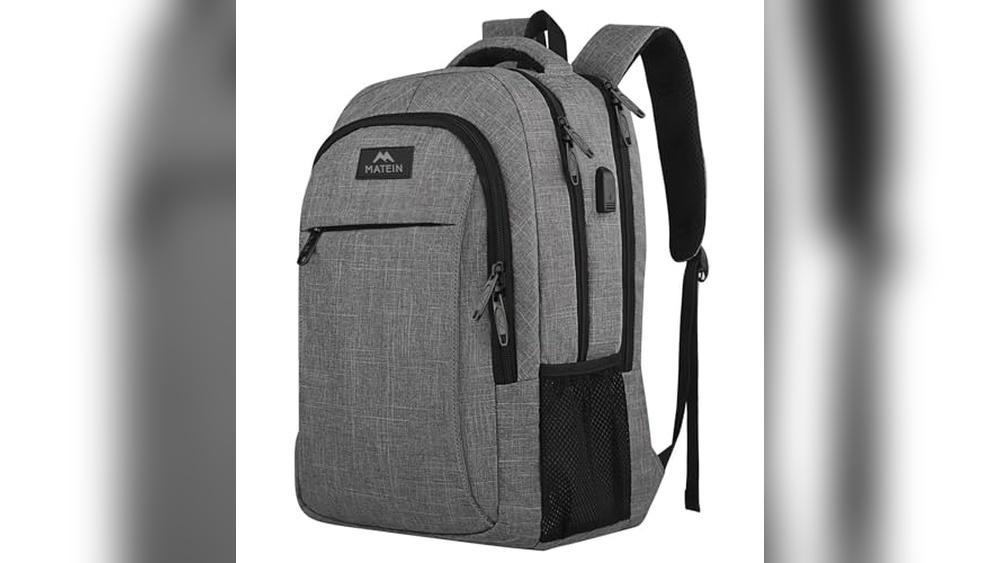
Are you tired of struggling with an overstuffed backpack that leaves you sore and unorganized? Knowing how to pack a backpack the right way can make your trips easier, more comfortable, and stress-free.
In this post, you’ll discover simple, step-by-step tips inspired by popular YouTube experts that will help you pack smarter, not harder. Whether you’re heading out for a day hike or a multi-day adventure, these proven methods will transform your packing game.
Keep reading—you’re just moments away from mastering the perfect pack!
Choosing The Right Backpack
Choosing the right backpack is the first step in packing smart. The right bag holds everything you need without being too heavy. It also keeps your things safe and makes carrying easy. Picking a backpack that fits your trip and body helps a lot. Here are some key points to think about.
Size And Capacity
Pick a backpack size that matches your trip length. Small bags suit day trips or short hikes. Bigger bags work for longer trips or when you carry more gear. Capacity is measured in liters. A 20-30 liter bag fits daily essentials. A 40-60 liter bag holds clothes and camping gear. Avoid bags that are too big or too small for your needs.
Material And Durability
Choose backpacks made from tough materials like nylon or polyester. These materials resist tears and water. Durability matters if you pack heavy or travel rough. Check for reinforced stitching and strong zippers. Waterproof or water-resistant bags protect your items from rain. A durable bag lasts many trips and saves money.
Comfort And Support
Comfort is key for carrying a backpack all day. Look for padded shoulder straps and a padded back panel. These reduce pressure on your shoulders and back. Adjustable straps help fit the bag to your body. Some backpacks have waist belts to spread weight evenly. Good support prevents pain and makes walking easier.
Essential Packing Gear
Packing the right gear is key for a great backpacking trip. It saves space and keeps you comfortable. Choosing essentials wisely helps you carry less and enjoy more.
Focus on items that are useful and lightweight. Think about your destination and weather. Organize gear to find things quickly.
Clothing Basics
Start with simple clothes that match your trip length. Pack shirts and pants made of quick-dry material. Include a warm layer for cold nights.
Bring enough underwear and socks for each day. A rain jacket or poncho is handy for wet weather. Choose clothes that mix and match well.
Toiletries And Personal Items
Keep toiletries minimal to save space. Use travel-size bottles for shampoo and soap. Don’t forget a toothbrush and toothpaste.
Include sunscreen and insect repellent. Pack any medicine you need daily. Store items in a small, waterproof bag.
Tech And Gadgets
Carry only essential tech to keep your pack light. A phone and charger are must-haves. A power bank can help during long days.
Consider a headlamp or small flashlight for night use. A camera is optional but great for memories. Use protective cases to avoid damage.
Packing Techniques
Packing techniques make your backpack organized and easy to carry. Good methods save space and protect your things. They help you find items quickly without unpacking everything. Using smart techniques keeps your load balanced and comfortable. Let’s explore some simple ways to pack your clothes and gear.
Rolling Vs Folding Clothes
Rolling clothes saves space and reduces wrinkles. It fits items tightly together in small gaps. Folding keeps clothes flat and neat but takes more room. Rolling works best for casual clothes like t-shirts and pants. Fold dress shirts and delicate fabrics carefully to avoid creases. Choose the method that suits your clothes and bag size.
Using Packing Cubes
Packing cubes separate your clothes into sections. They keep items organized and easy to find. Cubes compress clothes, making your backpack tidier. Use different cubes for shirts, underwear, and gear. They stop your bag from becoming a mess. Cubes also protect clothes from dirt and damage.
Weight Distribution Tips
Place heavy items close to your back for better balance. Keep light items near the top and edges. This prevents strain and improves comfort while walking. Pack frequently used items where you can reach them fast. Check your backpack’s weight before trips to avoid overload. Proper weight distribution helps reduce fatigue and injury.
Organizing For Accessibility
Organizing your backpack for easy access saves time and keeps you stress-free. Pack smartly to find your items fast. This helps you stay ready and enjoy your trip more.
Quick-access Compartments
Use small pockets for items you need often. Keep your phone, wallet, and keys here. This stops you from digging through your whole bag. Quick access means less hassle during your day.
Separating Clean And Dirty Items
Keep dirty clothes in a separate bag inside your backpack. This stops smells and dirt from spreading. Clean clothes stay fresh and ready to wear. It also helps you find things faster.
Storing Valuables Safely
Place valuable items like money and passports in hidden pockets. Keep them close to your body. Use zippers that lock or small bags inside the backpack. This keeps your valuables safe and easy to reach.
Smart Packing Tips
Packing a backpack smartly helps you carry less and stay organized. It saves space and makes your trip easier. Using smart tips ensures you have what you need without extra weight. This section shares simple ways to pack efficiently for any adventure.
Minimizing Bulk And Weight
Choose lightweight clothes and gear. Avoid packing items you rarely use. Roll clothes instead of folding to save space. Use compression bags to reduce bulk. Limit shoes to one or two pairs. Every extra pound makes a difference on the trail.
Multipurpose Items
Pick items that serve more than one purpose. A scarf can be a towel or sun shield. A jacket with removable layers fits different weather. A phone can replace a camera or GPS device. Multipurpose gear cuts down what you carry.
Weather-ready Packing
Check the weather forecast before packing. Bring a rain jacket that folds small. Pack clothes you can layer for warmth. Include a hat and gloves for cold days. Prepare for sun with a hat and sunscreen. Being ready for weather changes avoids discomfort.
Backpacking Safety
Backpacking safety is essential for a smooth and worry-free trip. Proper packing helps protect your gear and keeps you ready for any situation. Organizing your backpack with safety in mind can prevent damage and loss.
Securing Your Backpack
Lock zippers with a small padlock to stop theft. Use backpack straps to tighten the load. Keep valuables close to your body. Avoid leaving your bag unattended in public places. Cover your backpack with a rain cover to protect from weather.
Protecting Electronics
Place electronics in padded compartments or cases. Avoid storing devices near heavy or sharp items. Use waterproof bags for phones and cameras. Turn off electronics when not in use to save battery. Store chargers and cables in separate pockets to prevent damage.
Emergency Essentials
Pack a basic first aid kit with bandages and antiseptic. Carry a whistle to signal for help. Include a flashlight with extra batteries. Bring a map and compass for navigation. Keep a multi-tool or small knife for various tasks.
Post-packing Checklist
After packing your backpack, a quick checklist helps avoid last-minute issues. This step ensures you carry everything needed and stay organized. Following a post-packing checklist can save time and stress before travel.
Check your backpack one more time to make sure all essentials are included. Small mistakes can cause big problems during your trip.
Final Weight Check
Weigh your backpack using a scale. Make sure it is not too heavy to carry comfortably. Adjust the contents if it feels too heavy. A lighter backpack means easier travel and less fatigue.
Essential Documents
Gather all travel documents like ID, tickets, and reservations. Keep them in a secure but easy-to-reach place. Double-check their presence before closing your bag. Losing important papers can cause serious delays.
Reviewing Travel Itinerary
Read through your travel plan carefully. Confirm dates, times, and locations. Note any special instructions or contact details. Knowing your schedule helps avoid confusion on the trip.
Frequently Asked Questions
How Do I Organize Items When Packing A Backpack?
Start by grouping similar items together for easy access. Place heavy items close to your back for balance. Use packing cubes or bags to separate gear and clothing, ensuring efficient space use and quick retrieval.
What’s The Best Way To Pack A Backpack For Hiking?
Pack essentials like water, snacks, and first aid in accessible pockets. Distribute weight evenly, placing heavier items near your spine. Roll clothes to save space and use compression sacks for bulky gear.
How Can I Prevent My Backpack From Feeling Too Heavy?
Choose lightweight gear and only pack necessary items. Distribute weight evenly and adjust straps for a snug fit. Take breaks during hikes to relieve shoulder and back strain.
What Items Should I Pack First In A Backpack?
Place bulky and heavy items like a tent and sleeping bag at the bottom. Add lighter clothes and gear on top. Keep essentials like maps and snacks easily accessible.
Conclusion
Packing a backpack well saves space and keeps things organized. Start with heavy items at the bottom and close to your back. Use small bags to separate clothes and gear. Roll clothes to avoid wrinkles and fit more inside. Keep essentials like water and snacks easy to reach.
Watch YouTube videos for clear packing examples and tips. Practice packing a few times before your trip. This helps you pack faster and smarter each time. A well-packed backpack makes travel easier and more fun. Simple steps lead to great results.