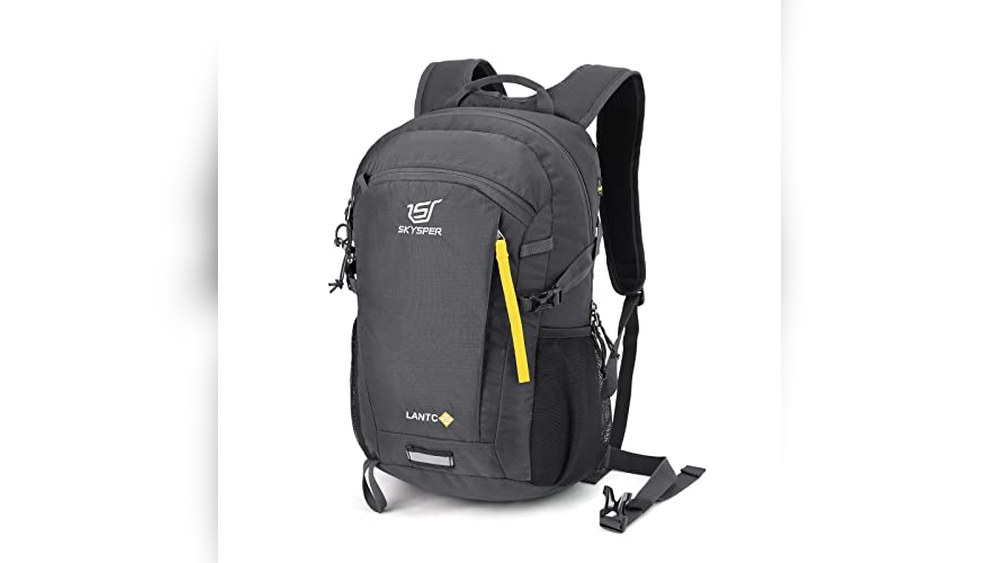
Your hunting backpack is more than just gear—it’s your trusted companion on every adventure. But after all those trips through rough terrain, dirt, and sweat, it needs a proper clean to stay in top shape.
Washing it the right way isn’t always obvious, and doing it wrong could damage your backpack or reduce its effectiveness. In this guide, you’ll discover simple, step-by-step tips to wash your hunting backpack safely and effectively. Keep reading to learn how to protect your gear and make it last for many hunts to come.
Preparing Your Backpack
Preparing your hunting backpack for washing is the first step to keep it clean and in good shape. Proper preparation helps avoid damage and ensures a thorough clean. Taking time here saves effort later.
Emptying All Pockets And Compartments
Start by opening every pocket and compartment. Remove all items like maps, snacks, tools, and trash. Check hidden spots carefully. Leaving things inside can cause damage or stains during washing.
Removing Loose Dirt And Debris
Brush off dirt and dust from the backpack’s surface. Use a soft brush or cloth to remove mud and leaves. Pay close attention to seams and zippers. This step prevents dirt from mixing with water and spreading.
Checking Care Labels And Materials
Look at the care label inside the backpack. It gives washing instructions and fabric details. Know if your backpack can go in the washing machine or needs hand washing. Understanding materials helps protect your gear while cleaning.
Choosing The Right Cleaning Tools
Choosing the right cleaning tools is important to keep your hunting backpack in good shape. The right tools protect the fabric and help remove dirt without damage. Use gentle products and soft materials for the best results. Harsh items can ruin your backpack’s look and function.
Selecting Gentle Detergents
Pick a detergent made for delicate fabrics. Avoid strong soaps with bleach or brighteners. These can fade colors and weaken material. Mild detergents clean well without harming the backpack’s water-resistant coating. Use only a small amount of detergent to avoid residue buildup.
Gathering Soft Brushes And Cloths
Soft brushes and cloths clean dirt without scratching. Use a soft-bristled brush for stubborn spots. Microfiber cloths work well for wiping down surfaces. Avoid rough scrubbing tools like wire brushes or abrasive pads. They can tear fabric and damage zippers.
Avoiding Harsh Chemicals
Do not use bleach, solvents, or strong cleaners. These chemicals break down fibers and ruin waterproof layers. Stay away from stain removers with harsh ingredients. Use only water and gentle detergent for cleaning. Harsh chemicals shorten the life of your backpack.
Step-by-step Cleaning Process
Cleaning a hunting backpack keeps it in good shape and ready for your next trip. A careful cleaning process removes dirt, sweat, and stains without damaging the fabric. Follow these simple steps to clean your backpack effectively.
Spot Cleaning Stains
Start by checking your backpack for visible stains or dirt spots. Use a soft cloth or sponge with mild soap and water. Gently rub the stained areas in circles. Avoid harsh scrubbing to protect the fabric. Let the spot dry before moving to the next step.
Hand Washing Techniques
Fill a basin or tub with warm water and mild detergent. Submerge the backpack and use your hands to clean it gently. Pay attention to straps and pockets. Use a soft brush for stubborn dirt. Rinse the backpack in clean water before drying.
Machine Washing Guidelines
Check the backpack’s label for machine wash instructions. Use a gentle cycle with cold water. Place the backpack inside a pillowcase or laundry bag. Use mild detergent only. Avoid bleach and fabric softeners. Remove any removable parts before washing.
Rinsing Thoroughly
Rinse the backpack several times to remove soap residue. Soap left behind can damage the fabric or cause skin irritation. Use clean water and squeeze out excess water gently. Do not wring the backpack. Let it air dry in a shaded, ventilated area.
Drying And Maintenance Tips
Proper drying and maintenance keep your hunting backpack in good shape. These steps stop mold and bad smells. They also help your backpack last longer. Follow simple tips to dry and care for your backpack right.
Air Drying Methods
After washing, hang your backpack in a well-ventilated area. Use a clothesline, hanger, or a clean surface. Keep it open to let air reach inside pockets and compartments. Avoid folding or crushing while drying. This helps the fabric dry evenly and fast.
Avoiding Direct Heat Sources
Do not place your backpack near heaters or in direct sunlight. High heat can damage fabric and zippers. It may cause colors to fade or materials to shrink. Let your backpack dry naturally at room temperature. Patience protects your gear and keeps it strong.
Reapplying Waterproof Coatings
Over time, waterproof coatings wear off. Reapply waterproof spray to keep your backpack water-resistant. Choose sprays made for outdoor gear fabrics. Spray evenly and let it dry completely before use. This step protects your gear from rain and damp conditions.
Preventing Odors And Mold
Preventing odors and mold in your hunting backpack keeps it fresh and safe. Moisture and dirt can cause bad smells and mold growth. Taking simple steps helps protect your gear and extends its life. Clean and dry gear works better on every hunt.
Using Odor Eliminators
Odor eliminators stop bad smells in their tracks. Use sprays made for outdoor gear to neutralize odors. Baking soda also absorbs smells naturally. Sprinkle some inside the backpack, then shake it out before use. Avoid strong chemicals that can damage the fabric.
Storing Backpack Properly
Store the backpack in a dry, cool place. Avoid damp basements or areas with poor air flow. Keep it open or loosely closed to let air circulate. Use moisture absorbers or silica gel packs inside. Proper storage stops mold spores from growing inside.
Regular Cleaning Schedule
Set a regular cleaning routine for your backpack. Clean it after every few trips or when dirty. Remove dirt and sweat to prevent odor buildup. Washing also removes mold spores before they spread. Consistent care keeps your backpack fresh and ready for use.
Frequently Asked Questions
How Often Should I Wash My Hunting Backpack?
Wash your hunting backpack after every few trips or when visibly dirty. Regular cleaning prevents odor buildup and fabric damage. Always follow manufacturer guidelines to maintain durability and performance.
Can I Machine Wash A Hunting Backpack?
Most hunting backpacks are not suitable for machine washing. Hand washing with mild soap and cold water is recommended to avoid damage to fabric and zippers. Always check the care label before washing.
What Cleaning Products Are Safe For Hunting Backpacks?
Use mild detergents or specialized gear cleaners. Avoid bleach, harsh chemicals, and fabric softeners as they can damage materials and waterproof coatings. Gentle cleaning ensures long-lasting backpack performance.
How Do I Dry A Hunting Backpack Properly?
Air dry your backpack in a shaded, well-ventilated area. Avoid direct sunlight or heat sources like dryers, which can weaken fabric and adhesives. Proper drying prevents mold and maintains shape.
Conclusion
Cleaning your hunting backpack keeps it fresh and ready to use. Use gentle soap and cold water for best results. Avoid harsh scrubbing to protect the fabric and zippers. Let your backpack dry completely before storing it away. Regular washing helps remove dirt, sweat, and odors.
It also extends the life of your gear. A clean backpack makes every hunting trip more comfortable. Take care of your pack, and it will take care of you. Simple steps, big benefits.