
Are you struggling to get your Deuter backpack to fit just right? A poorly adjusted backpack can make every step uncomfortable and even cause pain on long hikes.
But don’t worry—adjusting your Deuter backpack properly is easier than you think. In this guide, you’ll learn simple, step-by-step tips to make your pack feel like it was made just for you. Keep reading, and discover how a few quick adjustments can transform your outdoor experience and keep you comfortable all day long.
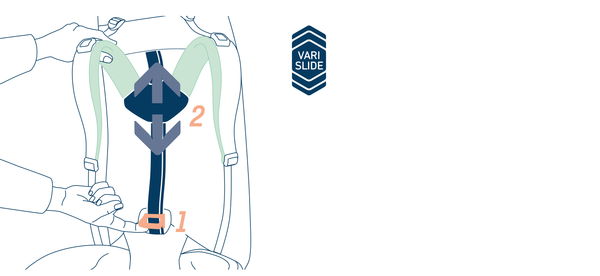
Credit: www.deuter.com
Choosing The Right Size
Choosing the right size for your Deuter backpack ensures comfort and support during your adventures. A well-fitted backpack reduces strain on your shoulders and back. It also helps you carry your gear more efficiently. Size selection depends on your body measurements and the amount of gear you plan to carry.
Measuring Your Torso Length
Measure your torso length to find the correct backpack size. Use a flexible tape measure for accuracy. Start at the base of your neck, where your spine meets your shoulders. Run the tape down to the top of your hip bones. This length is your torso size. Deuter backpacks come in different torso sizes. Choose one that matches your measurement closely.
Selecting The Proper Pack Volume
Pack volume depends on the type of trip you plan. Small daypacks range from 15 to 30 liters. These hold essentials for short hikes or city trips. Medium packs, 30 to 50 liters, suit overnight trips. Larger backpacks over 50 liters fit multi-day journeys. Carry only what you need to avoid extra weight. Pick a volume that fits your gear and trip length.
Setting The Shoulder Straps
Setting the shoulder straps on your Deuter backpack is key for comfort and support. Proper adjustment helps carry weight evenly and reduces strain on your shoulders. It also improves your balance during hikes or daily use.
Follow these steps to get the right fit and make your backpack feel lighter.
Adjusting Strap Height
Start by loosening the shoulder straps completely. Put on the backpack and stand straight. The top of the shoulder straps should sit near your shoulder bones. Adjust the height so the straps do not dig into your neck or slide off your shoulders. Proper height keeps the pack close to your back.
Ensuring Even Weight Distribution
Tighten the shoulder straps evenly on both sides. The pack should feel snug but not tight. Even tightening spreads the load across your shoulders and back. Check that the bottom of the pack rests at your lower back, not hanging low. This position helps balance the weight and prevents fatigue.
Tightening The Hip Belt
Tightening the hip belt on your Deuter backpack is key to comfort and support. The hip belt carries most of the pack’s weight. Adjusting it right helps reduce strain on your shoulders and back. A good fit improves balance and hiking endurance.
Positioning Over The Hips
Place the hip belt so it sits on your hip bones. Not too high or low. The belt should rest on the thickest part of your hips. This position helps transfer weight from your shoulders to your hips. It also keeps the pack stable as you move.
Securing For Comfort And Stability
Pull the straps evenly on both sides. Tighten until the belt feels snug but not tight. The belt should hug your hips without pinching. Check that the padding covers your hip bones well. Secure the buckle firmly to avoid shifting. This setup keeps the pack steady on rough trails.
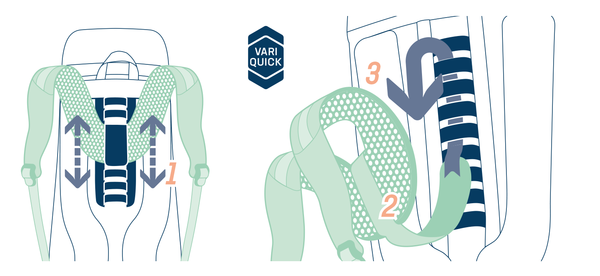
Credit: www.deuter.com
Adjusting The Load Lifters
The load lifters on your Deuter backpack are small straps located near the top of the shoulder straps. Adjusting these straps helps control how the pack sits on your back. Proper adjustment can make carrying heavy loads easier and more comfortable. It also helps keep the weight close to your body, which is important for balance and stability.
Balancing The Pack Load
Load lifters pull the top of the pack closer to your shoulders. This action shifts the weight forward, balancing the load better. Balanced weight means less strain on your back and shoulders. It keeps the pack from pulling backward, which can cause discomfort. Adjust the load lifters until the pack feels stable and centered.
Improving Posture And Comfort
Proper load lifter tension helps keep your spine straight. It stops the pack from leaning away from your body. This improves your posture during long hikes or walks. Good posture reduces fatigue and pain. Tighten or loosen the straps until you feel supported and comfortable. Small changes can make a big difference in how you feel.
Using The Sternum Strap
The sternum strap on your Deuter backpack plays a key role in comfort. It helps stabilize the shoulder straps. This reduces strain on your shoulders and back. Using it correctly can make your hike easier and more comfortable.
Adjusting the sternum strap is simple but important. It should sit at the right height and fit snugly. Too tight or too loose can cause discomfort. Let’s explore how to find the best position for your sternum strap.
Finding The Optimal Height
Look for the sternum strap slider on the shoulder straps. Slide it up or down to match your chest height. The strap should sit across your sternum, not too high or low. This helps keep the shoulder straps in place while allowing breathing.
Stop adjusting once the strap feels natural. Avoid pinching or digging into your chest. The right height gives support without restricting movement.
Enhancing Upper Body Support
Buckle the sternum strap and pull the webbing to tighten. It should be snug but not tight. This prevents the shoulder straps from slipping off your shoulders. It also spreads the load evenly across your upper body.
A good fit reduces shoulder fatigue. It keeps your backpack stable on rough trails. Adjust the strap tension as you move to stay comfortable throughout your hike.
Fine-tuning For Different Loads
Adjusting your Deuter backpack for different loads ensures comfort and balance. Light and heavy packs need different settings. Fine-tuning these helps avoid strain and improves walking ease. Let’s explore how to adjust your backpack for various weights.
Adjustments For Light Loads
With light loads, tighten the shoulder straps slightly. This keeps the pack close to your body. Adjust the hip belt to rest snugly on your hips. Avoid overtightening to keep comfort. Use the load lifters to pull the top of the pack closer. This helps balance the weight. Keep the sternum strap fastened for stability. These steps reduce bouncing during your walk.
Modifications For Heavy Loads
For heavy loads, loosen the shoulder straps a bit. This shifts weight to the hips, easing your shoulders. Tighten the hip belt firmly to support the load. Adjust the load lifters to pull the pack toward your back. This prevents backward pulling. Fasten the sternum strap higher for chest support. Check all straps to avoid pressure points. Proper adjustments reduce fatigue on long hikes.
Maintaining And Caring For Your Backpack
Maintaining and caring for your Deuter backpack keeps it strong and comfortable. Proper care helps the backpack last longer. It also keeps all parts working well. Small efforts can prevent big problems later. This section explains easy ways to check and clean your backpack.
Regular Inspection Tips
Look over your backpack often for any damage. Check zippers to see if they open and close smoothly. Examine straps and buckles for cracks or tears. Look inside the bag for dirt or small holes. Fix small problems quickly to avoid bigger damage. Tighten loose screws or adjust straps as needed. Regular checks keep your backpack safe and ready to use.
Cleaning And Storage Advice
Clean your backpack after every few uses or when dirty. Use a soft brush to remove loose dirt. Wash with mild soap and water using a sponge. Avoid harsh detergents or machine washing. Let it air dry completely in shade, not sun. Store the backpack in a cool, dry place. Keep it away from direct sunlight and moisture. Proper cleaning and storage keep your backpack fresh and strong.
.png)
Credit: www.sherpa.com.au
Frequently Asked Questions
How Do I Adjust The Shoulder Straps On A Deuter Backpack?
To adjust shoulder straps, loosen them first. Then, wear the backpack and pull the straps down evenly until snug. Ensure the pack sits comfortably without strain on shoulders.
What’s The Best Way To Fit The Hip Belt Properly?
Position the hip belt over your hip bones. Tighten it snugly but not too tight. This transfers weight to hips, reducing shoulder pressure and improving comfort.
How Can I Adjust The Back Length On A Deuter Pack?
Locate the adjustable back system on the pack. Follow instructions to slide the back panel up or down to fit your torso length. Proper fit enhances support and comfort.
When Should I Adjust The Load Lifters On My Backpack?
Adjust load lifters after fitting shoulder straps. Tighten them to pull the pack closer to your body. This stabilizes the load and improves balance during movement.
Conclusion
Adjusting your Deuter backpack properly makes every hike better. Start with the shoulder straps, then fit the hip belt snugly. Check the load lifters and sternum strap for balance and comfort. Small changes can reduce back pain and keep your gear stable.
Practice adjusting before your trip to save time outdoors. A well-fitted backpack helps you enjoy nature without discomfort. Keep these tips in mind for your next adventure. Your back will thank you.