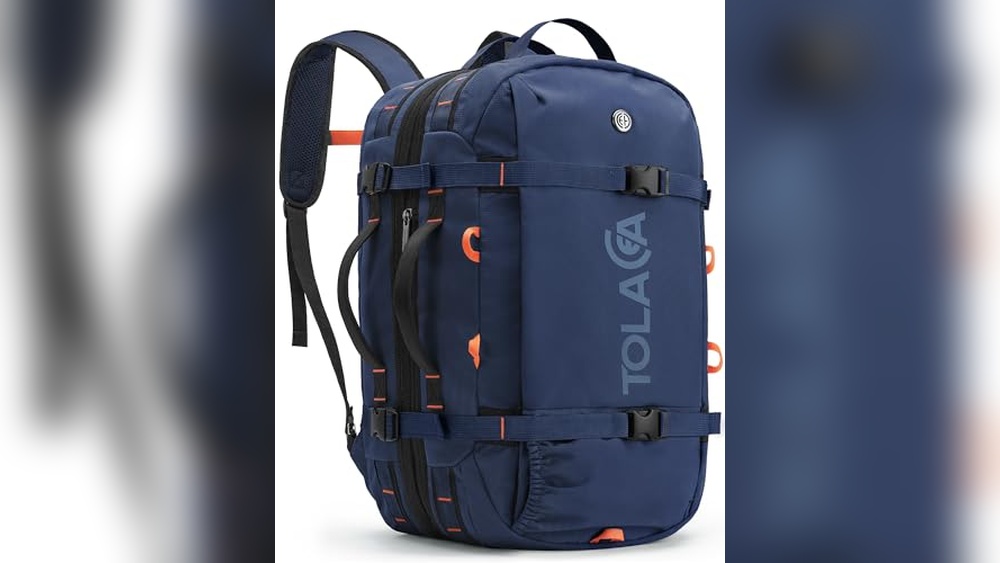
Packing your backpack might seem simple, but doing it the right way can change your entire trip. Imagine reaching your destination without a sore back or digging through your bag for hours.
You want to carry everything you need, stay comfortable, and be ready for anything. This guide will show you exactly how to pack your backpack smartly and efficiently. Keep reading, and you’ll discover tips that make your travels easier and more enjoyable from the very first step.
Choose The Right Backpack
Choosing the right backpack is the first step to a great trip. It helps carry your stuff comfortably and safely. The right backpack makes packing easier and your journey better. Consider size, comfort, and durability before buying one.
Size And Capacity
Pick a backpack size that fits your trip length. Small backpacks work for day trips. Bigger backpacks hold more gear for longer trips. Check the capacity in liters. A 20-30 liter bag suits short trips. For multi-day trips, choose 40-60 liters. Don’t pick a bag too big or too small.
Comfort And Fit
Comfort is key for carrying your backpack. Look for padded shoulder straps. A padded back helps reduce pressure. Adjustable straps let you fit the bag well. Try the backpack on with weight inside. It should feel snug but not tight. A waist belt helps spread the load.
Durability And Features
Choose a backpack made with strong materials. Nylon and polyester resist tears and water. Check the zippers and stitching quality. Extra pockets help organize your items. Look for rain covers or water-resistant fabrics. These features protect your gear in bad weather.
Plan Your Packing List
Planning your packing list is the first step to a well-packed backpack. A clear list helps avoid forgetting important items. It also keeps your load light and balanced. Start by sorting what you need into categories. This makes packing faster and more organized.
Essentials Vs Extras
Essentials are items you cannot do without. These include your travel documents, money, and basic clothes. Extras are nice to have but not necessary. Examples are books, extra shoes, or gadgets. Focus on essentials first. Pack extras only if space allows.
Clothing Selection
Choose clothes based on your trip’s length and weather. Pick versatile pieces that mix and match easily. Include layers for warmth and rain protection. Limit shoes to two pairs: one for walking, one for special use. Avoid heavy fabrics that take up space.
Toiletries And Gadgets
Pack small toiletry containers to save space and weight. Stick to basics: toothbrush, toothpaste, soap, and shampoo. Gadgets should be minimal and useful. Bring chargers, adapters, and maybe a power bank. Avoid bulky electronics unless necessary.
Organize With Packing Cubes
Packing cubes help keep your backpack neat and tidy. They separate your clothes and gear into small bags. This makes finding items faster. You avoid messy piles and wasted space. Packing cubes also protect your items from dirt and damage. They are lightweight and easy to carry.
Benefits Of Packing Cubes
Packing cubes save time and stress. You can quickly see what you packed. They keep clothes wrinkle-free. Cubes stop smaller items from getting lost. They help you pack more efficiently. Using cubes means less unpacking hassle at your destination.
How To Categorize Items
Sort your items by type or use. For example, put shirts in one cube. Place underwear and socks in another. Keep electronics and chargers separate. Use a cube for toiletries to avoid leaks. Label cubes with tags or colors. This makes it easier to find what you need.
Maximizing Space
Roll clothes before placing them in cubes. Rolling reduces wrinkles and saves room. Fill gaps with small items like socks or chargers. Pack heavier cubes at the bottom of your backpack. Use compression cubes to squeeze out extra air. This method creates more space for other gear.
Pack Smart And Efficiently
Packing smart saves space and makes carrying easier. It helps keep your items safe and organized. A well-packed backpack feels lighter and fits more things. Use simple tricks to pack efficiently and avoid mess.
Rolling Vs Folding Clothes
Rolling clothes saves more space than folding. It also reduces wrinkles on your shirts and pants. Roll each item tightly to fit more inside. Use rolling for t-shirts, pants, and light fabrics. Fold thicker items like jackets to keep shape.
Distributing Weight Evenly
Place heavy items close to your back. This keeps your balance while walking. Lighter items go near the top and front. Spread weight on both sides of the backpack. Uneven weight can cause pain and make walking hard.
Using Every Nook And Cranny
Fill small spaces with socks, chargers, or snacks. Use shoes to store smaller items inside. Stuff gaps with soft clothes to save space. This stops your backpack from shifting while moving. Every inch counts to fit all essentials.
Keep Important Items Accessible
Keeping important items easy to reach saves time and reduces stress. Organize your backpack so you can grab what you need fast. This helps during travel, hikes, or daily use. Think about what you need often and place those items wisely.
Travel Documents And Valuables
Store your passport, ID, and tickets in a small, secure pocket. Use a pouch or wallet that fits well in your backpack’s front compartment. Keep valuables like your phone, wallet, and keys close and safe. This prevents loss and helps you find them quickly.
Quick-access Pockets
Use outside pockets for items you use most. Sunglasses, snacks, or a map belong here. Choose pockets with zippers or Velcro for safety. Quick access pockets save time and keep you organized on the go.
Emergency Essentials
Keep a small first aid kit and a flashlight handy. Store these in a top or side pocket for fast reach. Emergency items must be easy to grab in any situation. This preparation can make a big difference in tough spots.
Minimize Weight And Bulk
Packing a backpack can quickly become heavy and bulky. Carrying too much weight makes walking harder and tires you faster. To enjoy your trip, keep your pack light and small. Focus on what you really need and choose items that save space and weight. This approach helps you move easier and feel better on the trail.
Choosing Lightweight Gear
Select gear made from light materials like aluminum or titanium. Avoid heavy tools or thick fabrics. Choose sleeping bags and tents designed for weight saving. Lightweight gear costs less energy to carry. It frees up space for other essentials.
Multi-purpose Items
Pick items that serve more than one function. A bandana can be a towel, sun shield, or pot holder. A jacket with a hood can keep you warm and dry. Multi-use items cut down the number of things you bring. This reduces your pack’s size and weight.
Limiting Liquids And Gadgets
Carry only the liquids you need, like water and sunscreen. Use small bottles to save space. Avoid packing many electronic devices and chargers. Each gadget adds weight and bulk. Stick to essential gadgets that support your trip.
Secure Your Backpack
Securing your backpack is key to protecting your belongings. It keeps your items safe from theft and damage. Also, it helps you stay organized and worry-free during your trip.
Use simple methods to lock and cover your backpack. Make sure fragile items stay safe and dry. These small steps make a big difference.
Using Locks And Zippers
Choose backpacks with strong zippers. Use small padlocks on zipper pulls. This stops easy access by strangers. Check that zippers close tightly without gaps. Keep your backpack close and in sight.
Waterproofing Tips
Rain can ruin your gear fast. Use waterproof covers or rain sleeves for your backpack. Pack items in plastic bags inside the bag. Avoid cotton bags; use waterproof materials instead. Dry the backpack quickly if it gets wet.
Protecting Fragile Items
Wrap fragile items in soft cloth or bubble wrap. Place them in the middle of the backpack. Use padded compartments if available. Avoid placing heavy things on top of fragile items. Carry delicate items in a separate small bag when possible.
Maintain Your Backpack During Travel
Maintaining your backpack during travel helps keep it in good shape. A well-kept backpack lasts longer and works better. Small daily habits protect your gear and save time. Clean and adjust your backpack for each trip. This care keeps your travel smooth and stress-free.
Daily Organization
Organize your backpack every day. Put items back in their place after use. Use small bags or pouches to separate things. Keep important items easy to reach. This saves time and stops your backpack from getting messy.
Cleaning And Care
Clean your backpack regularly. Remove dirt and dust with a soft brush or cloth. Wash it by hand if it gets very dirty. Air dry it completely before packing. Check zippers and straps for damage. Fix small problems early to avoid bigger ones.
Adjusting For Different Trips
Change your backpack setup for each trip. Adjust straps and padding for comfort. Remove items you don’t need. Add extra space for new gear. Tailoring your backpack helps you carry it easily. It also protects your back and shoulders.
Frequently Asked Questions
How Do I Organize Items In My Backpack Efficiently?
Start by placing heavy items close to your back. Use compartments for small essentials. Pack frequently used items on top for easy access.
What Essentials Should I Always Pack In A Backpack?
Include water, snacks, a first aid kit, and weather-appropriate clothing. Add navigation tools and a portable charger for longer trips.
How Can I Pack A Backpack To Avoid Back Pain?
Distribute weight evenly and keep heavy gear near your spine. Use padded straps and adjust them for comfort and support.
What’s The Best Way To Pack Clothes In A Backpack?
Roll clothes tightly to save space and reduce wrinkles. Use packing cubes to organize and compress items efficiently.
Conclusion
Packing your backpack well saves space and keeps things organized. Start with heavy items close to your back for balance. Use small bags to separate clothes and gear. Roll clothes to avoid wrinkles and save room. Keep essentials like water and snacks easy to reach.
Check your pack before leaving to avoid forgetting items. A well-packed backpack makes your trip more comfortable and fun. Practice packing a few times to get faster and better. Ready to pack smart? Your adventure awaits!